Red vs Green Headlamp Light: Which Should You Use? (November 2026)
Use red headlamp light to preserve dark adaptation while observing; choose green for tasks where seeing color or detail matters more. The best mode depends on what you need to see and how much light your surroundings can tolerate.
On this page (7 sections)
- Is red or green headlamp light better for astronomy?
- When should you use green headlamp light?
- How bright should a headlamp be for stargazing?
- What should you check before choosing a headlamp?
- How do the featured headlamps differ?
- Can you use a headlamp without disturbing other observers?
- Red vs green headlamp light: which should you choose?
Use red headlamp light for telescope observing, and choose green when a nearby task calls for more visible detail. In a green vs red light headlamp comparison, the right choice depends on what you need to see, how bright the beam is and whether other observers are nearby.
Red is a common choice for checking a star chart, adjusting a telescope or finding an eyepiece without switching on a bright white beam. Green can be useful for close tasks where seeing detail matters, but it may be more disruptive in a shared observing area.
The headlamp’s available modes matter as much as its color. Some models have red only, while others switch between red and green.

Is red or green headlamp light better for astronomy?
Red is usually the more practical choice for astronomy because a dim red beam can help limit disruption to dark adaptation. Keep it aimed down and use only enough light to see the task.
Your eyes need time to adjust after exposure to bright light. A strong beam of any color can interfere, so choosing red does not make brightness irrelevant.
Use red to read a chart, check a focuser or handle equipment near the telescope. Turn the lamp off once you no longer need it.
Does a red headlamp preserve night vision?
Red light can reduce disruption, but it does not preserve night vision completely. Its effect depends on brightness, exposure and how often you use it.
Choose a headlamp with a red mode that you can dim, or one with a low red setting. If yours has only one red brightness, cover the lens partially only if that can be done safely without trapping heat or blocking controls.
Let nearby observers know before you turn on any light. A beam pointed at the ground is less intrusive than one swept across faces, telescope tubes or the sky.
For equipment choices beyond lighting, see our guide to telescope parts and accessories. A best astronomy red light guide can also help if you want a dedicated light rather than a headlamp.
When should you use green headlamp light?
Use green for a close task when its extra visibility helps and other people nearby are comfortable with it. It can be handy for handling gear or moving around, but it is not automatically the better color for stargazing.
Green light may make some objects and details easier to distinguish than red. That can help with practical tasks, but a brighter or more conspicuous beam can also draw attention in a dark field.
Ask before using green at a group observing session. If you are alone and need to sort equipment, try the lowest usable setting and point the beam away from other people.
What are the red and green lights on a headlamp for?
Red and green modes give you color choices for different nighttime tasks. Red is often selected for astronomy and low-light use, while green is another option for seeing nearby details.
A headlamp with both modes can be convenient when you move between observing and general camp tasks. Switch modes deliberately, since accidentally returning to a bright white beam can be more disruptive than choosing between red and green.
The best headlamps with red and green light page covers models that offer both colors. Check each model’s actual light modes, since a green-colored housing does not mean it emits green light.
How bright should a headlamp be for stargazing?
Choose the dimmest setting that lets you complete the task. A bright beam can disrupt dark adaptation even when it is red.
If you need to read a chart, hold it close and keep the light aimed at the page. For walking, point the beam at the ground just ahead of your feet, and switch it off when you stop.
A red mode is useful only if it is comfortable to use at a low level. If a lamp’s red output is too strong, consider a dedicated red light or a headlamp with a lower red setting.
The Energizer PRO-260 LED Headlamp has red, high and low spot, and high and low wide modes. It uses 3 AAA batteries and is rated IPX4 water resistant.
What should you check before choosing a headlamp?
Check the color modes, brightness controls, operation and power source before you buy. A headlamp that is easy to switch off helps you avoid cycling through brighter modes at an observing site.
Consider these points:
- Red mode: Confirm that the lamp includes red light, and check whether it offers a low setting.
- Green mode: Choose it only if you have a practical use for green and can avoid disturbing nearby observers.
- Mode controls: Look for a simple way to switch modes or turn the lamp off without passing through bright settings.
- Power: Decide whether you prefer replaceable batteries or a rechargeable design.
- Weather resistance: If you observe outdoors, check the stated water resistance and follow the maker’s care instructions.
The best red light headlamp for astronomy page focuses on red modes for observing. For damp conditions, see the guide to a best waterproof headlamp with red light.
How do the featured headlamps differ?
The EverBrite is the one here with both red and green light modes; the other 3 offer red but not green. Choose by emitted light color and controls, not by the color of the headlamp body.
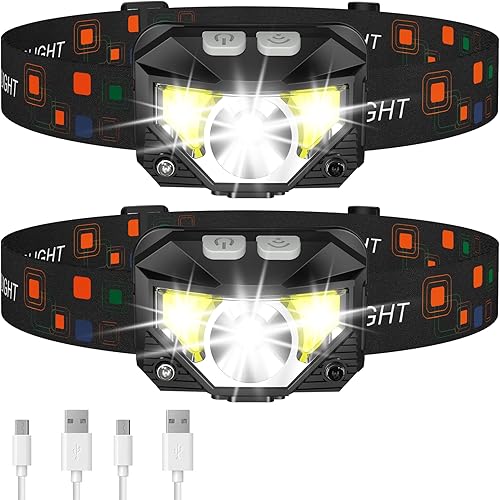
The Energizer PRO-260 has several spot and wide modes alongside red light. The LHKNL headlamps include red beam and SOS red strobe modes, plus rechargeable power and a long-press shutoff.
The EverBrite has 5 modes, including red, red flashing and green. Its memory function recalls the last mode when you turn it on again, which can help avoid cycling through white light if you often use red or green.
Can you use a headlamp without disturbing other observers?
Yes, if you keep it dim, point it down and use it briefly. At a shared site, ask before turning on green or white light.
Set up your equipment before full darkness when possible. Put eyepieces and charts where you can reach them, then use a low red beam only when you need to check something.
Avoid shining a headlamp across the observing area, even when the beam is colored. If someone asks you to turn it off, do so promptly and move to a spot where the light will not reach them.
Red vs green headlamp light: which should you choose?
Choose red for routine telescope observing, and use green for close tasks when visibility matters more and nearby observers are not affected. Keep either color as dim as you can while still working safely.
Pick a headlamp with both colors if you regularly switch between observing and general outdoor tasks. If astronomy is your main use, a simple red mode may be enough; compare options in our portable dome for telescope guide if you also need a sheltered observing setup, or see the best 5mW green laser pointer for astronomy guide for a different kind of green astronomy tool.
Frequently asked questions
Is red or green light better for astronomy?
Red light is usually the better headlamp choice for telescope observing because it can help limit disruption to your dark adaptation when kept dim. Green light can make some nearby details easier to see, but it may be more noticeable to other observers and can make returning to faint targets harder.
What are the red and green lights on a headlamp for?
Red mode is commonly used for tasks such as checking charts or equipment in the dark while limiting the impact of a bright white beam. Green mode offers another colored-light option for close work, but its usefulness depends on the task and the tolerance of people nearby.
Does red light preserve night vision completely?
No colored light guarantees that your dark adaptation stays intact. Brightness, time exposed and repeated light use matter, so keep the beam as dim as practical, aim it at the task, and switch it off when you finish.
Can I use a green headlamp around other stargazers?
Ask first and keep the light pointed down. Green beams can stand out in a dark observing area, and some observers may find any bright colored light disruptive; use a dim red setting if someone nearby is protecting dark adaptation.