SVBONY SV121 Laser Collimator Review: Worth It? (November 2026)
The SVBONY SV121 is a useful budget laser collimator for Newtonian telescopes if you want adjustable brightness and an adapter for 1.25 in or 2 in focusers. Check its alignment before use, since a misaligned laser can point the telescope's optical axis off target.
On this page (9 sections)
- Is the SVBONY SV121 a good laser collimator?
- What are the SV121's main strengths and limits?
- How does the SV121 compare with other laser collimators?
- How does a laser collimator work?
- How do you use the SV121 on a Newtonian telescope?
- Is the phone support adapter useful for astronomy?
- What safety steps matter with a laser collimator?
- What else helps you prepare for observing?
- Should you buy the SVBONY SV121 laser collimator?
The SVBONY SV121 is a budget laser collimator for Newtonian telescopes with a removable 2 in adapter, 7 brightness levels and a phone support adapter in the bundle. It is a sensible fit if you want one tool for 1.25 in and 2 in reflector focusers, provided you check that the laser itself is aligned.
A laser can speed up mirror alignment, but it cannot confirm its own accuracy just by producing a visible dot. The SV121 is user adjustable, so include a collimator alignment check in your routine before changing the telescope mirrors.
Is the SVBONY SV121 a good laser collimator?
The SV121 is a good match for a Newtonian owner who wants focuser flexibility and adjustable laser brightness in a metal-bodied tool. Its removable 2 in adapter lets the 1.25 in collimator fit compatible 2 in focusers as well.
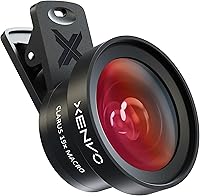
The bundled phone support adapter is a separate convenience for phone imaging through compatible optics. It is not part of the collimation process, and its eyepiece diameter range is 25 to 48 mm.
We compared the SV121's stated features with two other laser collimators below. The differences that matter most are adapter support, instructions, the extra phone adapter and whether the battery is included.
SVBONY Red Laser Collimator for Newtonian Marca: Best for phone adapter bundle

- Removable 2 in adapter
- 7 brightness levels
- Metal body
A 1.25 in laser collimator with a removable 2 in adapter and 7 brightness levels. The bundle also includes a phone support adapter.
Pros
- Supports 1.25 in and 2 in reflector telescopes
- Brightness adjusts across 7 levels
- Includes phone support adapter
Cons
- Phone adapter's eyepiece diameter range is 25 to 48 mm
- Phone adapter is not compatible with SV406 spotting scope
The SV121's description says it is designed for Newtonian and SCT reflector telescopes. For a Newtonian, use it as an aid to align the secondary and primary mirrors, then check the view with a star test or another suitable method if you need to confirm the telescope's optical alignment.
Who should consider the SVBONY laser collimator?
Consider the SV121 if you have a reflector with either a 1.25 in or 2 in focuser and want brightness control for different lighting conditions. The bundled phone holder may also interest you if you plan to pair a phone with a compatible eyepiece.
Choose a simpler tool if you only need a laser for collimation and have no use for the phone support. For other useful telescope parts and accessories, compare each item with the tasks you actually do at the scope.
What are the SV121's main strengths and limits?
The SV121's main strengths are focuser compatibility, brightness control and its phone adapter bundle. Its main limit is that the laser still needs a reliable alignment check before you use it to adjust the telescope.
The metal body and removable adapter suit a tool that may move between compatible reflectors. Seven brightness levels let you change beam brightness for different light conditions, though dimming a laser does not improve its alignment.
The phone adapter supports eyepiece diameters from 25 to 48 mm. Its phone clamp uses an adjustable locking mechanism with a steel bolt and high-density EVA pads, and the adapter is not compatible with the SV406 spotting scope.
The model description also mentions a triple cemented lens to improve dot stability. That feature does not remove the need to check the collimator's beam against the tool's body.
What should you check before using the laser?
Check that the laser dot stays in a consistent position as you rotate the collimator in a secure focuser. If the dot traces a circle, the laser axis may be off center, and telescope adjustments made with it could be inaccurate.
Use the instructions and follow a repeatable setup. A loose or tilted fit can also change the dot position, so seat the tool fully and secure it consistently before judging the laser.
Our guide to how to collimate a laser collimator covers the alignment check. It's a useful step before trusting any laser collimator, including the SV121.
How does the SV121 compare with other laser collimators?
The SV121 stands out for its phone support adapter, while the other SVBONY model offers a similar laser feature set without that bundle. The Alstar option is a 1.25 in tool with a battery-powered design and three adjustment openings.
| Product | Focuser fit | Useful distinction |
|---|---|---|
| SVBONY Red Laser Collimator for Newtonian Marca | 1.25 in and 2 in with adapter | Phone support adapter included |
| SVBONY Laser Collimator | 1.25 in and 2 in with adapter | Step-by-step instructions |
| Alstar Laser Collimator Alignment for Marca Newtonian | 1.25 in | CR2032 battery, not included |
For any of these tools, fit and beam alignment matter more than the brand name.
SVBONY Laser Collimator: Best for a standalone SVBONY tool

- Removable 2 in adapter
- 7 brightness levels
- Metal body
A standalone SVBONY laser collimator with a removable 2 in adapter, adjustable brightness and instructions for aligning a reflecting telescope.
Pros
- Supports 1.25 in and 2 in reflector telescopes
- Brightness adjusts across 7 levels
- Instructions include a step-by-step procedure
Cons
- Laser alignment still needs checking before use
- No phone support adapter is included
The standalone SVBONY has a removable 2 in adapter, 7 brightness levels and a metal body. Its instructions include a step-by-step procedure for aligning a reflecting telescope, which may help if this is your first time using a laser tool.
Alstar Laser Collimator Alignment for Marca Newtonian: Best for a 1.25 in focuser

- 1.25 in focuser fit
- 7 brightness levels
- Battery powered
A metal 1.25 in laser collimator with a 45-degree viewing window and instructions for telescope adjustment.
Pros
- Fits 1.25 in focusers
- Has three adjustment openings
- Instructions are available in German and English
Cons
- CR2032 battery is not included
- No 2 in adapter is specified
The Alstar model is limited to 1.25 in focusers according to its product details. It has a 45-degree viewing window and three adjustment openings, and its CR2032 battery is not included.
How does a laser collimator work?
A laser collimator sends a beam along the focuser axis so you can see where that line falls on the telescope's mirrors. The beam gives a visible reference, but the tool must itself be aligned and seated consistently for that reference to be useful.
For a Newtonian telescope, collimation typically involves positioning the secondary mirror and adjusting the primary mirror so the optical path returns along the correct axis. A laser can help with these steps, while a Cheshire tool or star test can provide a useful cross-check depending on your setup.
Read how a laser collimator works before using one for the first time. It explains what the beam can show and why the laser's own alignment matters.
How do you use the SV121 on a Newtonian telescope?
Use the SV121 only after checking its beam, then insert it into the focuser and follow the telescope maker's collimation procedure. The beam can help you make adjustments, but use the correct mirror screws and avoid forcing any part.
Start by checking the secondary mirror alignment, then follow the instructions for the primary mirror. Keep the telescope pointed in a safe direction and never look into the laser beam.
If you prefer a laser-based walkthrough, our guide explains how to use an Apertura laser collimator. The steps can help you understand the general process, though follow the SV121 instructions for its controls.
You can also use the broader guide to how to collimate a telescope for the mirror sequence and other collimation methods. Collimation is one part of good observing setup, along with a stable mount and a clear plan for your session.
Is the phone support adapter useful for astronomy?
The phone support adapter may help you hold a phone camera over a compatible eyepiece for basic imaging. It is an accessory in the bundle, not a replacement for a dedicated astronomy camera or a guarantee of a steady image.
Its stated eyepiece diameter range is 25 to 48 mm, and the adapter is not compatible with the SV406 spotting scope. Before buying, check your eyepiece dimensions and whether the phone clamp can align its camera with the eyepiece.
Phone imaging is easier when the telescope is already set up and tracking or pointed steadily. A backyard telescope observatory can make repeated sessions more convenient, but the collimator itself does not provide tracking or camera control.
What safety steps matter with a laser collimator?
Never point a laser beam into anyone's eyes or look directly into it. Keep the beam directed only at the telescope's optical surfaces, and follow the safety guidance supplied with the tool.
Set up away from people, pets and reflective surfaces that could redirect the beam. Turn the laser off when you're done and store it where children cannot use it unsupervised.
A red alignment laser is not a star pointer. If you want to point out constellations, compare a green laser pointer for astronomy and follow local rules and safe-use guidance.
What else helps you prepare for observing?
A collimated telescope is easier to use when you also have a clear target plan and a stable observing setup. A field atlas can help you find objects, while a protected observing area can keep equipment organized.
The Cambridge Star Atlas review can help you decide whether a printed atlas suits your sessions. Keep your collimator instructions with the tool so you can repeat the same check when you set up.
For telescope care and accessories, prioritize tools that address a real gap in your observing routine. The SV121's key use is mirror alignment, with a phone adapter as an optional extra.
Should you buy the SVBONY SV121 laser collimator?
Buy the SVBONY SV121 if you want a 1.25 in laser tool with a removable 2 in adapter, 7 brightness levels and a bundled phone support adapter. Choose the standalone SVBONY if you don't need the phone holder, or the Alstar if a 1.25 in tool and its adjustment openings better fit your needs.
Whichever model you choose, verify the laser's alignment before you use it to adjust telescope mirrors. A correctly aligned tool and a repeatable setup matter more than extra features when your goal is a well-collimated Newtonian.
Frequently asked questions
Is the SVBONY SV121 laser collimator worth considering?
The SV121 is worth considering if you need a laser collimator for a Newtonian reflector and value a removable 2 in adapter, adjustable brightness and the included phone support adapter. Its fit and bundle make it distinct from a standalone collimator, but check the laser's alignment before relying on it.
Does the SVBONY SV121 fit a 2 in focuser?
Yes. The SV121 is a 1.25 in collimator supplied with a removable 2 in adapter, so it can be used with compatible 1.25 in or 2 in reflector telescope focusers.
Seat it consistently and secure it without shifting the focuser before checking alignment.
Does the SVBONY SV121 need collimation?
A laser collimator should be checked for alignment because a laser that is off axis can mislead your telescope adjustments. The SV121 is described as user adjustable, so follow its instructions and verify the beam before using it to align your mirrors.
Can the SV121 phone adapter take pictures through a telescope?
The bundle includes a phone support adapter that can be aligned with an eyepiece for phone imaging. Its stated eyepiece diameter range is 25 to 48 mm, and the phone adapter is not compatible with the SV406 spotting scope; confirm your optical setup fits before use.