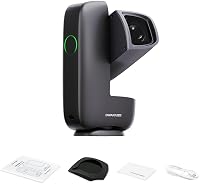
Seestar S30 vs DWARF Mini: Should You Switch? (November 2026)
Switch to the DWARF Mini for lighter travel and 90-second exposures; choose the Seestar S30 Pro for wider 4K imaging and a larger field of view. Your best choice depends on portability, framing and the targets you want to capture.
On this page (10 sections)
- Seestar S30 vs DWARF Mini: which should you choose?
- Is the DWARF Mini a real upgrade for an S30 owner?
- Which telescope is better for deep-sky framing?
- Which smart telescope is easier to carry?
- Which tripod setup makes more sense?
- What does the DWARF Mini do better?
- What does the Seestar S30 Pro do better?
- How should you decide if switching is worth it?
- What should you check before moving to either telescope?
- Seestar S30 vs DWARF Mini: final verdict
Switch to the DWARF Mini for lighter travel and 90-second exposures; choose the Seestar S30 Pro for wider 4K imaging and a larger field of view. In this seestar s30 vs dwarf mini comparison, the better choice depends less on brand and more on how you plan to use the telescope.
Think about the targets you want to frame, how far you carry your gear, and whether you prefer a compact system or a wider imaging view.
The DWARF Mini weighs 1.85 lb, or about 840 g, while the Seestar S30 Pro weighs 3.6 lb. That difference matters during travel, hiking, camping or any observing session where you carry the telescope with other equipment.
The DWARF Mini is easier to add to a small bag, while the S30 Pro still remains portable but takes up more of your carrying allowance.
The two telescopes also approach framing differently. The S30 Pro has a 4.6° field of view, compared with 2.45° for the DWARF Mini.
A wider field gives the S30 Pro more room around large targets, broad sky scenes and night landscapes. The DWARF Mini's narrower view can create a tighter composition, but it may require more care when deciding where a target should sit in the frame.
The DWARF Mini lists a 150 mm focal length and a 30 mm objective lens. It supports Auto GOTO, 360° pivoting, altazimuth and equatorial modes, and single-frame exposures up to 90 seconds.
Those features make it appealing if you want a light setup that can handle longer individual exposures while remaining easy to carry.
The S30 Pro lists a 160 mm focal length, a 30 mm objective lens and 4K dual-camera imaging. It also includes automatic GOTO targeting, tracking, EQ mode, one-tap capture and processing, and automatic mosaic stitching.
These features suit someone who wants a broader imaging workflow with less need to assemble a separate camera system.
Both are app-controlled smart telescopes with automated targeting and tracking features. You can use a smartphone or tablet to control the S30 Pro, while the DWARF Mini combines app control with a built-in sky atlas and one-tap processing.
Setup still deserves attention. The S30 Pro includes a tripod, which gives it a more complete starting kit.
The DWARF Mini is lighter, but your total field setup may also include a suitable tripod or support, especially if you plan to use longer exposures.
This comparison focuses on imaging, portability, setup and the trade-offs that matter when an existing S30 owner considers a change. If your main frustration is carrying weight, the DWARF Mini addresses that directly.
If your priority is wider framing and 4K dual-camera imaging, the S30 Pro remains the stronger fit.


Seestar S30 vs DWARF Mini: which should you choose?
Choose the DWARF Mini for the lightest kit and longer single-frame exposures; choose the Seestar S30 Pro for wider framing and 4K dual-camera imaging. Neither model wins every use case.
The DWARF Mini has a 150 mm focal length, a 30 mm objective lens and a 2.45° field of view. It supports Auto GOTO, 360° pivoting, altazimuth and equatorial modes, plus single-frame exposures up to 90 seconds.
The Seestar S30 Pro has a 160 mm focal length, a 30 mm objective lens and a 4.6° field of view. Its listed imaging features include a 4K dual camera, automatic tracking, EQ mode, one-tap capture and processing, and automatic mosaic stitching.
For a broader look at the ZWO range, compare the Seestar S30 vs S50 vs DWARF 3 before you decide which system fits your targets.
Is the DWARF Mini a real upgrade for an S30 owner?
The DWARF Mini is a targeted change, not a universal upgrade. Its clearest advantage is the lower weight, while the S30 Pro keeps the advantage in field of view and dual-camera imaging.
At 840 g, the DWARF Mini is easier to carry to a dark-sky location, campsite or hiking spot. Its compact design measures 2.39 x 3.95 x 7.23 inches, based on the listed depth, width and height.
The S30 Pro weighs 3.6 lb and measures 3.1 x 5.5 x 8.3 inches. That remains portable, but the difference is meaningful if you carry the telescope with other camera or camping gear.
A switch makes more sense when your current setup feels too heavy or when 90-second single-frame exposures solve a specific imaging need. It makes less sense if your priority is the widest possible framing from a compact smart telescope.
For a closer look at the smaller model, see our DWARF Mini smart telescope review.
Which telescope is better for deep-sky framing?
The Seestar S30 Pro gives you more room around large targets, while the DWARF Mini gives you a narrower view. Match the field of view to the size of the objects you want to frame.
The S30 Pro's 4.6° field of view suits broad sky scenes, large deep-sky targets and night landscapes. Its automatic mosaic stitching also supports wider compositions.
The DWARF Mini's 2.45° field of view gives a tighter composition. That can be useful when you want less empty sky around a smaller target, but large objects may need more careful framing.
Neither field of view tells you the final image quality by itself. Exposure time, tracking, sky brightness, processing and target position also affect the result.
The DWARF Mini includes built-in dark, astro and duo-band filter options in its feature set. The S30 Pro includes built-in light pollution filters and one-tap processing.
Which smart telescope is easier to carry?
The DWARF Mini is the clear choice for minimum carry weight. Its 1.85 lb body is about half the listed weight of the 3.6 lb S30 Pro, so it is easier to add to a backpack, take to a campsite or carry toward a darker observing location.
That difference becomes more noticeable when you are already bringing a phone, power cable and other outdoor equipment.
The DWARF Mini measures 2.39 x 3.95 x 7.23 inches and weighs about 840 g. Its compact body, battery-powered design and app control support a small field kit.
It includes a filter, USB-C to USB-C charging cable and cleaning cloth, so the basic accessories are easy to keep together when you want a quick observing session.
The lighter body also suits users who want to move between locations during one night. You can choose a new position without carrying as much weight, although the telescope still needs a steady support for automated tracking and longer exposures.
Its 90-second single-frame exposure support makes stable placement especially important when you are trying to keep the view consistent.
The S30 Pro weighs 3.6 lb and measures 3.1 x 5.5 x 8.3 inches. It is still designed for portable use, but it takes more space and weight in a travel bag.
The S30 Pro includes a tripod, filter, quick start guide, safety instructions, astronomy-themed sticker and Type-C cable, which can reduce the number of separate parts you need to select before leaving home.
That included tripod changes the packing comparison. A lighter telescope may still need a separate tripod, while the S30 Pro already includes one.
The DWARF Mini can use the DWARFLAB mini tripod, which folds to 25 cm and adjusts from 25 to 53 cm, but that adds another item to the complete setup.
Think about the whole kit rather than the telescope body alone. Choose the DWARF Mini when reducing carry weight is the main goal and you already have a stable support plan.
Choose the S30 Pro when the included tripod and wider field of view make a slightly heavier kit easier to organize.
Which tripod setup makes more sense?
Use the DWARFLAB mini tripod for a compact DWARF setup, and use the Leftfoto leveler when fine adjustment matters for Seestar S30 Pro EQ mode. These accessories solve different support problems.
The Leftfoto leveler is made from aircraft aluminum and supports up to 33.1 lb or 15 kg. It weighs 202 g, uses a 3/8-inch stud and socket, and includes a 3/8 to 1/4 adapter screw.
Its adjustment range is ±5°. That helps you make small leveling changes between a tripod and a compatible ball, video or panoramic head without moving the tripod legs.
The unit is not water resistant, so keep it protected from wet ground and rain during outdoor sessions. Its role is precise leveling, not a replacement for a complete tripod.
The DWARFLAB tripod has 5-section aluminum legs, a hydraulic head, a 1/4-inch camera screw and both 1/4-inch and 3/8-inch connectors. Its height adjusts from 25 to 53 cm, and it folds to 25 cm.
The head offers 360° horizontal movement and a tilt range listed from +90° to -75°. Its maximum supported weight is 3 kg, and the tripod weighs 0.85 kg.
The Leftfoto leveler offers more capacity and finer leveling adjustment. The DWARFLAB tripod offers a complete compact support option for the DWARF Mini and DWARF 3.
What does the DWARF Mini do better?
The DWARF Mini does better when portability, automated targeting and longer single-frame exposures are your main goals. It combines a 1.85 lb body with app control, Auto GOTO and 90-second exposure support.
The DWARF Mini uses a Sony IMX662 sensor with a 1/2.8-inch format and 2 μm pixels. It supports 2MP RAW output, automatic stacking and one-tap post-processing.
Its mount supports both altazimuth and equatorial modes. The telescope is battery powered and includes 1 battery, along with a filter, USB-C to USB-C cable and cleaning cloth.
The narrower field of view is the main trade-off against the S30 Pro. If you often frame wide landscapes or large sky targets, check the composition you need before switching.
What does the Seestar S30 Pro do better?
The Seestar S30 Pro does better when wide framing and 4K dual-camera imaging matter more than minimum weight. It also includes a tripod, which can simplify the first setup.
The S30 Pro has a 30 mm objective lens, 160 mm focal length and 4.6° field of view. Its apochromatic optics are designed to reduce color distortion, and its optics are fully multi-coated.
It supports automatic GOTO targeting, tracking, EQ mode, plan mode and one-tap Milky Way imaging. The listed imaging modes cover deep-sky objects, the Moon, the Sun, star trails and night landscapes, but the telescope is designed for deep-sky objects rather than planetary observation.
The S30 Pro works with a smartphone or tablet and includes a filter, tripod, Type-C cable, quick start guide and safety instructions. Its higher weight is the main trade-off against the DWARF Mini.
For a direct look at the next ZWO and DWARFLAB comparison, read Seestar S30 Pro vs DWARF Mini.
How should you decide if switching is worth it?
Switch only when the DWARF Mini solves a problem you actually have with the S30. A lower carry weight and 90-second exposure support are useful reasons, while changing systems only for a different app experience may not justify the adjustment.
Choose the DWARF Mini if you:
- Carry the telescope long distances.
- Prefer a 1.85 lb body.
- Want single-frame exposures up to 90 seconds.
- Prefer a 2.45° field of view.
- Want a compact setup with Auto GOTO and EQ mode.
Keep or choose the Seestar S30 Pro if you:
- Want a wider 4.6° field of view.
- Prefer 4K dual-camera imaging.
- Want automatic mosaic stitching for wide compositions.
- Value an included tripod.
- Need a telescope designed for deep-sky and wide-field imaging.
If your decision is really between the DWARF Mini and another ZWO model, our DWARF Mini vs ZWO Seestar S50 comparison covers that larger step.
What should you check before moving to either telescope?
Check your target sizes, support plan and carry weight before changing systems. The telescope that sounds more capable may still be the wrong fit if its field of view or support needs do not match your routine.
First, list the targets you capture most often. A 4.6° field of view gives the S30 Pro more room for broad scenes, while the DWARF Mini's 2.45° field of view creates a tighter frame.
Next, decide whether you need a separate tripod. The S30 Pro includes one.
The DWARF Mini can use the DWARFLAB tripod, which folds to 25 cm and adjusts from 25 to 53 cm.
Finally, plan for stable placement during deep-sky imaging. ZWO advises keeping the S30 Pro stationary for stable and accurate tracking.
The same practical rule applies to any automated telescope during a long capture.
Seestar S30 vs DWARF Mini: final verdict
Choose the DWARF Mini if lighter travel and 90-second exposures are your reasons to switch. Choose the Seestar S30 Pro if wider framing, 4K dual-camera imaging and an included tripod matter more.
The DWARF Mini is the more portable option at 1.85 lb, with Auto GOTO, 360° pivoting, EQ mode and a 2.45° field of view. The S30 Pro is heavier at 3.6 lb, but its 4.6° field of view and 4K dual-camera imaging suit wider compositions.
If precise EQ leveling is part of your S30 Pro setup, the Leftfoto leveler adds ±5° adjustment without changing tripod legs. If compact DWARF support is the goal, the DWARFLAB hydraulic-head tripod folds to 25 cm.
Pick the model that fixes your actual limitation. For the DWARF Mini, that is usually carry weight or exposure time.
For the S30 Pro, it is usually wider framing and a broader included setup.
Frequently asked questions
Is the DWARF Mini better than the Seestar S30?
The DWARF Mini is better for a lighter setup and 90-second single-frame exposures, while the Seestar S30 Pro is better for a wider 4.6° field of view and 4K dual-camera imaging. Choose by target framing and travel weight rather than by brand alone.
Should I switch from Seestar S30 to DWARF Mini?
Switch to the DWARF Mini if its 1.85 lb weight, 2.45° field of view and 90-second exposure support match your needs. Keep the Seestar S30 Pro if you value its wider field of view, 4K dual-camera imaging and included tripod.
Which has the wider field of view, DWARF Mini or Seestar S30?
The Seestar S30 Pro has the wider field of view at 4.6°, compared with 2.45° for the DWARF Mini. That makes the S30 Pro the more suitable choice when you want more sky around a large target or a broad night landscape.
Can the DWARF Mini take long exposures?
Yes. The DWARF Mini supports single-frame exposures up to 90 seconds and includes EQ mode.
It also offers Auto GOTO, 360° pivoting, built-in light pollution filters and app control for automated sky imaging.
Does the Seestar S30 Pro work in EQ mode?
Yes. The Seestar S30 Pro uses an alt-azimuth mount that supports equatorial mode.
Accurate leveling can help with EQ setup, so a compatible leveler such as the Leftfoto model may be useful when you need fine adjustment between the tripod and head.