Telescope Parts and Accessories: The Complete Buying Guide
The best telescope parts and accessories solve a specific problem with aiming, viewing comfort, power or care. Check fit and compatibility with your telescope before buying, then add one useful upgrade at a time.
On this page (10 sections)
- What telescope parts and accessories do you need first?
- Which finder helps you aim a telescope?
- Which eyepiece upgrades make observing more comfortable?
- How can you improve focus and image sharpness?
- What accessories help with telescope astrophotography?
- How do you choose power and comfort accessories?
- How should you care for and store telescope accessories?
- How do you check compatibility before buying?
- Explore observing gear by topic
- Which telescope accessory should you choose next?
Telescope parts and accessories are most useful when they fix a clear issue with aiming, viewing comfort, power or telescope care. Check fit and compatibility with your telescope before buying, then add one upgrade at a time.
A better accessory cannot correct every limit in the telescope itself. Start with the part that would make your next observing session easier, and confirm whether your telescope already includes it.
What telescope parts and accessories do you need first?
Choose accessories by the job they perform: find an object, view it comfortably, keep equipment powered, or protect and maintain it. Your telescope's manual is the first place to check for included parts and fit requirements.
| Need | Accessory to consider | Check before buying |
|---|---|---|
| Aiming | Red dot finder, finder scope or guide scope | Mounting shoe, alignment and intended use |
| Viewing | Eyepiece, Barlow or filter | Barrel size, telescope type and target |
| Imaging | Phone adapter, guide scope or focus control | Camera attachment, telescope compatibility and mount |
| Comfort | Observing chair, red light or dew heater | Observing position, power and telescope surface |
| Care and transport | Cleaning kit or carrying case | Optical surface instructions and equipment dimensions |
Buy for a problem you can describe. If you can’t aim at a target, another eyepiece is unlikely to help as much as a finder you can align; if your view is uncomfortable, more magnification may make it harder to hold the target in view.
How to prioritize telescope parts and accessories
Start by checking the eyepieces, finder and cables supplied with your telescope. Write down the model name, any accessory sizes in the manual, and what frustrates you during a typical session.
Then rank the gaps. A beginner might prioritize a better finder and a red light, while an astrophotographer may need camera support, repeatable focus or power for a computerized mount.
Avoid buying an accessory just because it sounds advanced. Every added part needs to fit, be installed correctly and serve a purpose you’ll use.
Which finder helps you aim a telescope?
A finder helps you point the telescope at a target before looking through the main eyepiece. Choose a red dot finder for simple aiming or an optical finder when you want a magnified view to help locate faint targets.
A red dot finder projects a marker onto a window. It offers a wide, intuitive aiming view, but you still need to align it with the telescope and use a chart or another guide to identify the target.
An optical finder provides a magnified view through its own small telescope. A guide scope can support astrophotography when paired with compatible guiding equipment, and some models can also work as a finder with a suitable eyepiece.
Check the mounting shoe and alignment method before choosing a finder. A finder that cannot attach securely to your telescope will need an appropriate bracket, and any bracket must hold it steady.
If your main goal is guiding an imaging setup, compare options in our guide scopes for telescopes guide. For a simple aiming setup, see our red dot finders for telescopes guide.
Which eyepiece upgrades make observing more comfortable?
Choose an eyepiece based on the target, the magnification your telescope can use, and your viewing comfort. Check the barrel diameter your focuser accepts before choosing an eyepiece.
Eyepiece focal length affects magnification: shorter focal lengths produce higher magnification with the same telescope. The useful limit also depends on conditions, focus and the telescope, so a very short eyepiece is not automatically a better choice.
A zoom eyepiece lets you adjust focal length without swapping between several fixed eyepieces. The SVBONY SV135 covers 7 mm to 21 mm and has a standard 1.25 in barrel for telescopes that accept that size.
If you wear glasses, compare eye relief and whether you can keep the full view while wearing them. For planets and the Moon, a clear, steady view at a practical magnification often matters more than pushing magnification higher.
A Barlow lens changes the effective magnification of an eyepiece and telescope combination. It can extend the uses of eyepieces you already own, but it also makes focusing and keeping an object in view more demanding.
Explore eyepieces and Barlow lenses as a category when deciding which viewing upgrades to consider. Always check the telescope's focal length and focuser size alongside an eyepiece's focal length.
How can you improve focus and image sharpness?
Good focus depends on adjusting the focuser carefully and keeping the telescope steady. A focusing mask can help you judge focus for imaging, while a motorized focuser can make fine adjustments remotely on compatible telescopes.
A focusing mask fits over the telescope opening and creates a visual cue that changes as you turn the focuser. It is most useful when you want repeatable focus for a camera, though it can also help you learn how sharply focused stars look.
See our guide to telescope focusing masks for help choosing one. Check that the mask fits your telescope's aperture and front end.
Electronic focus motors serve a narrower purpose. The Celestron Focus Motor is designed for compatible Schmidt-Cassegrain and EdgeHD telescope tubes, and it allows electronic focusing with a computer or a Celestron computerized mount hand controller.
Before choosing a focus motor, verify the exact telescope model and any installation limits. A motor made for a certain telescope design won’t fit every optical tube.
What accessories help with telescope astrophotography?
Astrophotography accessories should support a specific part of the imaging chain: attachment, aiming, guiding, focus or power. Match every part to your camera, telescope and mount before adding it to the setup.
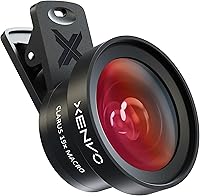
For phone pictures, a stable phone-to-eyepiece connection matters more than an extra camera lens. A phone lens kit can help with phone photography, but a macro lens is intended for nearby subjects, not distant celestial objects.
If you want to photograph through a telescope, look for an adapter that holds your phone over the eyepiece. See telescope lenses for phones for options and fit checks.
A guide scope can help an autoguiding setup track a guide star, but it needs compatible camera connections and careful alignment with the main telescope. The SVBONY SV106 has a helical focuser and threaded attachment for compatible guide cameras.
Electronic focus can help an imager adjust a compatible telescope without touching the focuser by hand. Check the focus motor's telescope compatibility before planning a remote imaging system around it.
How do you choose power and comfort accessories?
Choose power accessories by matching their output and connections to the telescope's requirements. For comfort, consider how long you observe, how you read charts in the dark, and whether dew forms on your optics.
Computerized mounts may need external power for longer sessions. Check the mount manual for voltage, connector type and power needs before choosing a supply; a connector that looks similar may still be incompatible.
A dew heater can help limit condensation on an optical surface, but it needs a suitable power source and a secure fit. Read our guide to telescope dew heaters before pairing a heater with your setup.
A chair lets you observe seated, which can make it easier to hold a steady position at the eyepiece. Compare astronomy observing chairs if you want to spend longer at the telescope without standing at an awkward height.
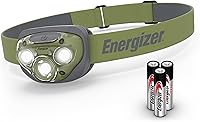
A red light can help you read a chart or adjust gear while preserving more dark adaptation than a bright white light. Consider a red light for astronomy or compare red and green headlamp light if you need hands-free lighting.
How should you care for and store telescope accessories?
Protect accessories by keeping them dry, covered and stored where lenses and connectors won’t rub against other gear. Use a cleaning method suited to optical glass, and follow the telescope maker's instructions.
Dust caps and clean storage prevent much of the routine dirt that leads people to handle optics. Avoid wiping a dusty lens dry, because grit can scratch a coating.
For a safe starting point, compare telescope cleaning kits designed for optical surfaces. Keep cleaning fluids and cloths separate from general household supplies.
A carrying case can protect eyepieces, finders and other small parts in transit. Check internal dimensions and padding layout, and make sure the case closes without pressing on lenses or focus knobs.
For larger equipment, plan the storage area as well as the case. A portable telescope dome can provide shelter around an observing setup.
Our guide to a backyard telescope observatory covers the space and setup considerations that affect equipment storage.
How do you check compatibility before buying?
Confirm the accessory's physical fit, connection and intended use against the exact telescope model. A similar name or size alone does not guarantee it will work.
Use this checklist:
- Find the telescope's exact model and optical tube type.
- Check the manual for eyepiece barrel sizes, mounting shoes and power requirements.
- Confirm thread size or camera connection where relevant.
- Check clearance around the focuser, mount and tube.
- For powered accessories, verify the required power source and connectors.
- Confirm whether the accessory needs an adapter or additional part.
Fit matters especially for focus motors, phone adapters and finders. If a compatibility detail is unclear, ask the accessory maker or telescope maker before ordering.
For a telescope-specific example, our Celestron NexStar 8SE accessories guide focuses on upgrades for that model. To carry a telescope and its extras, see telescope carrying case options.
Explore observing gear by topic
- Best Moon Map Posters
- Best Telescope Collimation Tools
- Best Telescope Power Supplies
- Best Laser Pointers for Astronomy
Which telescope accessory should you choose next?
Choose the accessory that addresses your biggest current limitation: a finder for aiming, an eyepiece for viewing, a chair or light for comfort, and a compatible supply for power. For imaging, prioritize the camera connection, guiding or focus task that your setup needs next.
If you’re unsure, use the telescope with its included parts for a session and note what slows you down. Then check compatibility and buy one accessory that solves that specific issue.
For a simpler aiming setup, compare a red dot finder; for longer observing, consider a chair and a dim red light. If you’re planning a gift or a compact alternative to a full telescope, browse our gifts for astronomy lovers and high powered monocular telescopes guides.
Frequently asked questions
What telescope accessories should a beginner buy first?
Start with the accessories that solve a current problem: a finder for aiming, an eyepiece that fits your focuser, or a red light for reading charts at night. Check what came with your telescope before buying, since a spare part may duplicate an item you already own.
Do telescope accessories fit every telescope?
No. Eyepiece barrels, mounting shoes, focusers, power connections and optical tube designs vary.
Check your telescope manual and the accessory's compatibility details before ordering, especially for electronic focus motors, guide scopes and power supplies.
Can a phone lens replace a telescope eyepiece?
No. A phone lens attaches to the phone camera and is designed for phone photography; it does not replace an eyepiece that you look through.
For telescope pictures, first check whether your phone can be held steadily over the eyepiece with a compatible adapter.
How should I choose telescope accessories for astrophotography?
Start with the imaging setup you have and identify its next bottleneck, such as accurate tracking, focus or camera attachment. A guide scope can support guiding when matched to the imaging system, while electronic focus control is limited to compatible telescope models.
How do I keep telescope accessories from getting damaged?
Use a case or padded storage that fits the accessory, keep dust caps on optics when they are not in use, and avoid touching glass surfaces. For cleaning, use supplies made for optical surfaces and follow the telescope maker's care instructions.