When Is the Best Time for Stargazing?
The best time for stargazing is after astronomical twilight on a clear, moonless night, when the sky is darkest. Choose a season based on your targets and check local weather and moonlight before you go.
On this page (10 sections)
- What is the best time of night for stargazing?
- How does the Moon affect the best time to stargaze?
- Which season is best for stargazing?
- What sky conditions make a good observing night?
- How do you choose a target and plan the session?
- When is the best time to use a telescope?
- Are binoculars useful for stargazing?
- Does a star diagonal change the best viewing time?
- How should you adjust your plan for a bright or cloudy night?
- How do you choose the best time for stargazing?
The best time for stargazing is after astronomical twilight on a clear, moonless night, when the sky is dark and your target is above the horizon. Choose a season for the objects you want to see, then check clouds, moonlight, and local light pollution.
You don't need a special event to start. A dark location, a little preparation, and a target you can find make an ordinary night useful.
What is the best time of night for stargazing?
Aim for the hours after astronomical twilight ends, when the Sun is far enough below the horizon that its glow no longer brightens the sky. The time varies by date and location, and in some places astronomical twilight may not end during summer.
Civil twilight, nautical twilight, and astronomical twilight mark stages of fading sunlight after sunset. The sky grows darker through each stage, so the best observing time for faint objects is generally after astronomical twilight.
For bright targets such as the Moon and planets, you can observe earlier. A bright target can remain visible while twilight is fading, though the background sky will look brighter.
Give your eyes about 20 to 30 minutes to adjust to darkness. Keep phone brightness low, use a red light if you need to read a chart, and avoid looking at bright lights during that time.
How does the Moon affect the best time to stargaze?
A new-moon period or a time when the Moon is below the horizon gives you a darker sky. Moonlight scatters through the atmosphere and can wash out faint stars, nebulae, and galaxies.
The Moon's phase is only part of the timing. A crescent Moon may set early, leaving dark hours later in the evening, while a bright Moon can rise after you've finished observing.
Check moonrise, moonset, and phase for your location before planning a session. If the Moon is up, use the brighter sky to observe the Moon itself, planets, or prominent stars rather than faint deep-sky objects.
Which season is best for stargazing?
The best season depends on what you want to observe and what is comfortable where you live. Constellations shift through the year because Earth moves around the Sun, so a target's best viewing season changes too.
Start with a specific object or constellation, then check when it is above your horizon during evening hours. A star chart can help you match the sky to the date and time.
Season also affects your comfort and the length of darkness. Winter nights can be long, but cold weather calls for warm layers and shorter sessions; summer evenings may be milder, but twilight can last longer at higher latitudes.
The Milky Way's bright central region is easiest to see in many places during warmer months, when it is positioned in the night sky. Its visibility still depends on your latitude, a dark location, and low moonlight.
For constellations near the ecliptic, identify the path the Sun and planets appear to follow across the sky. Our guide to how to find the ecliptic explains how to use it as a reference.
What sky conditions make a good observing night?
Choose a mostly clear night with steady air and low light pollution. Clouds can hide targets, while haze and smoke reduce contrast even when the sky looks partly clear.
Check the local forecast for cloud cover, fog, and wind. A telescope image can shimmer when air is turbulent, so a calm, clear night may give steadier views than a night with rapidly changing weather.
Get away from direct streetlights when you can, and let your eyes adjust. Even from a town or backyard, bright stars, the Moon, and planets can be worthwhile targets.
Keep your observing area clear and your equipment in a place where you can see it. Dress for the temperature after sunset.
How do you choose a target and plan the session?
Pick one or two targets that will be visible during your planned hours. A short list is easier to use in the dark than a long list of objects you may not find.
Check a star chart or a planetarium app before you go, and note where the target will rise and set. Learn how to read a star chart to use it with confidence.
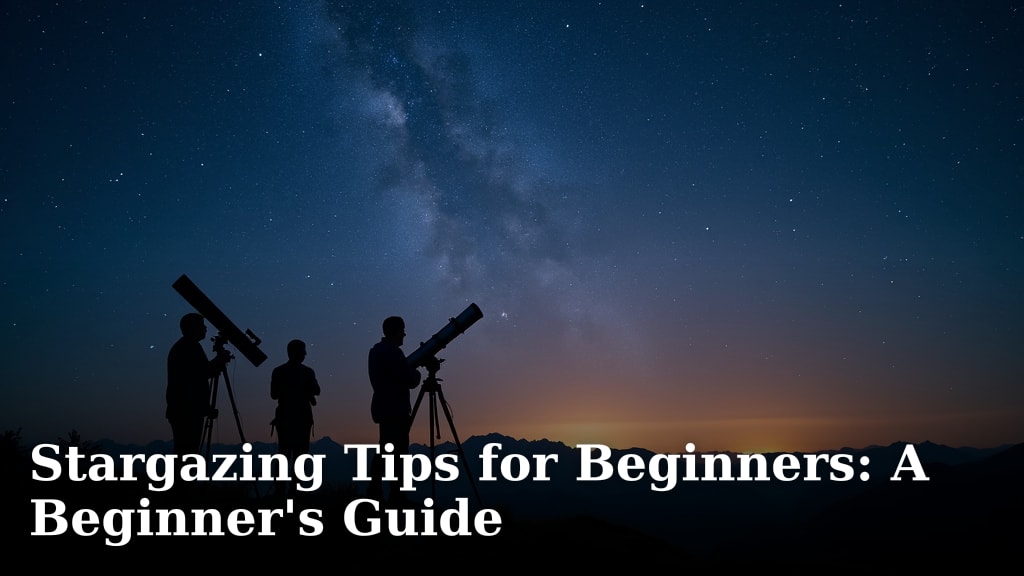
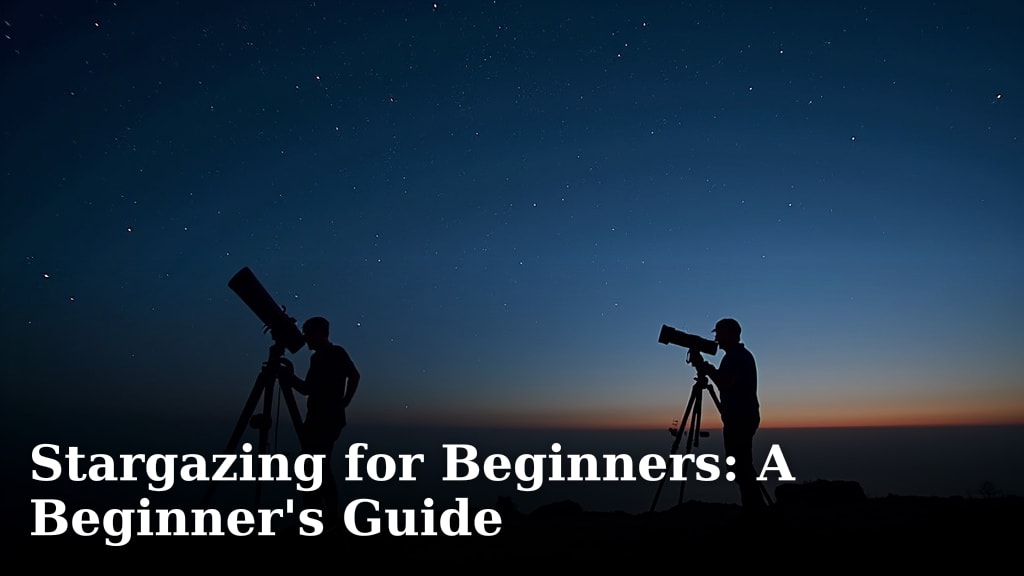
If you are new to the night sky, start with Stargazing for Beginners: A Beginner’s Guide and bring a chart you can read without a bright screen.
A printed planisphere can show which constellations are up at a given date and time. Learn how to use a Tirion planisphere before you leave so you aren't figuring it out in the dark.
If you're still building a routine, these stargazing tips for beginners can help you prepare a simple session. Bring water, a chair, warm clothes, and a dim red light.
When is the best time to use a telescope?
Use a telescope when your target is high enough above the horizon and the sky is dark or steady enough for the view you want. Objects close to the horizon pass through more atmosphere, which can make them appear dimmer or less sharp.
For a first session, start with a bright target such as the Moon or a planet. Let the telescope adjust to outdoor temperature when practical, and use a low-power eyepiece first to make the target easier to locate.
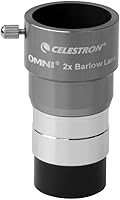
A Barlow lens can double the magnification of a compatible eyepiece, which may help when viewing a bright target such as the Moon. The Celestron Omni 1.25" 2X Barlow Lens fits 1.25-inch focusers and diagonals and accepts 1.25-inch eyepieces.
Higher magnification doesn't always improve a view. If the image looks dim, blurry, or shaky, return to lower power and try again when the target is higher or the air is steadier.
Are binoculars useful for stargazing?
Binoculars are useful when you want a wide view and a quick setup. They can help you scan star fields and learn where constellations sit before switching to a telescope.
The Celestron SkyMaster 15x70 Astronomy Binoculars have 15x magnification and 70 mm objective lenses. Their size and weight make a tripod a practical choice for extended viewing, and they include a tripod adapter.
Binoculars don't replace a telescope for every target, but they can make it easier to explore broad areas of sky. If handholding makes the view shake, mount them securely and keep the observing session comfortable.
Does a star diagonal change the best viewing time?
A star diagonal changes your viewing angle, not the time or sky conditions that make a target visible. It can make objects high overhead easier to observe through a compatible telescope.
The Celestron 1.25" Star Diagonal for Refractor fits telescopes with 1.25-inch focusers or visual backs and provides a 90-degree viewing angle. It accepts standard 1.25-inch eyepieces, Barlow lenses, and other accessories with a 1.25-inch barrel.
Check your telescope's connection before choosing a diagonal. A diagonal won't improve cloud cover, reduce moonlight, or make a target visible when it's below the horizon.
How should you adjust your plan for a bright or cloudy night?
Match the target to the conditions instead of calling the session off automatically. A bright Moon can be the main target, while heavy clouds are a reason to switch to planning or a different night.
On moonlit nights, focus on the Moon, bright planets, and prominent stars. When clouds break up, take advantage of clear patches, but don't expect faint objects to stand out through haze or thin cloud.
If weather prevents observing, choose a target for your next clear night and mark its location on a chart. That preparation makes it easier to begin when the sky opens up.
How do you choose the best time for stargazing?
For faint stars and deep-sky targets, choose dark hours after astronomical twilight, close to the new moon, with clear skies. For the Moon and planets, choose a time when the target is above the horizon, even if the sky is brighter.
Pick a season by the target you want to see, and check its position before going out. Start with binoculars or a low-power telescope view, then use a beginner's stargazing guide to plan what to find next.
Frequently asked questions
What is the best time of night for stargazing?
The darkest hours are usually after astronomical twilight, once the Sun is far enough below the horizon for its glow to fade. The exact time changes with your location and season.
Check when astronomical twilight ends, then allow your eyes time to adjust and avoid bright screens and lights.
Is a full moon a bad time for stargazing?
A full moon brightens the sky and makes faint stars and many deep-sky objects harder to see. You can still observe the Moon, bright planets, and some double stars.
For a darker sky, plan around the new moon or observe when the Moon is below the horizon.
What is the best season for stargazing?
There is no single best season because the constellations and objects visible change during the year. Pick a season around your target: use a star chart or planetarium app to see when it is above the horizon at night, and check local temperatures and cloud patterns before setting out.
Can you stargaze when the sky is cloudy?
Thick cloud cover blocks stars and planets, so a mostly clear forecast is best for observing. Thin high clouds can also soften views, especially through a telescope.
Check the forecast close to your session, and have a short indoor plan for cloudy nights, such as learning a star chart.