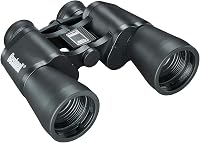
8 Best Celestron UpClose G2 Binoculars (November 2026)
The best Celestron UpClose G2 binoculars include the Celestron UpClose G2 10x50 Porro Binoculars for astronomy and wildlife, the Celestron SkyMaster 25x70 Binoculars for Astronomy for long-range astronomy, and the Celestron SkyMaster 15x70 Astronomy Binoculars for Stargazing for deep-sky balance.
On this page (7 sections)
- Best Celestron UpClose G2 binoculars for each use
- How do UpClose G2 binocular sizes compare?
- Which binoculars are better for astronomy?
- What should eyeglass wearers check?
- How should you choose between Celestron and other binocular brands?
- How do you set up binoculars for a clear view?
- Final verdict on the Celestron UpClose G2 review
The Celestron UpClose G2 10x50 is the best choice for most astronomy and wildlife buyers because its 10x power and 50mm objectives suit brighter low-light views.
Choose the 8x21 when pocket size matters, or a SkyMaster when you want much stronger astronomy magnification.
Portability, light gathering and magnification pull in different directions. The right answer depends on where you will actually use the binoculars.
This Celestron UpClose G2 review compares both UpClose G2 sizes with other Celestron binoculars and one compact travel option.
We checked magnification, objective size, field of view, eye relief, body design and included accessories.
A full-size model is easier to hold steady for detailed viewing, but it takes more space in a bag and around your neck.
A pocket model is easier to carry every day, but its smaller lenses cannot match the low-light reach of 50mm or 70mm objectives.
If you're still deciding what binoculars to buy, start with the use you have in mind.
Astronomy favors larger objectives and stable support, while travel and sports favor a light body and a wide enough view to follow movement.
Wildlife viewing sits in the middle. You need enough power to see detail at a distance, but not so much that a moving bird becomes hard to track.
The picks that follow are organized around those trade-offs, so you can match the model to your main viewing habits.
Our picks at a glance
-
1
 Best for astronomy and wildlife
Celestron UpClose G2 10x50 Porro Binoculars
9.7/10 our score
See it on Amazon -
2
 Best for long-range astronomy
Celestron SkyMaster 25x70 Binoculars for Astronomy
9.6/10 our score
See it on Amazon -
3
 Best for deep-sky balance
Celestron SkyMaster 15x70 Astronomy Binoculars for Stargazing
9.5/10 our score
See it on Amazon
- 4
 Check it
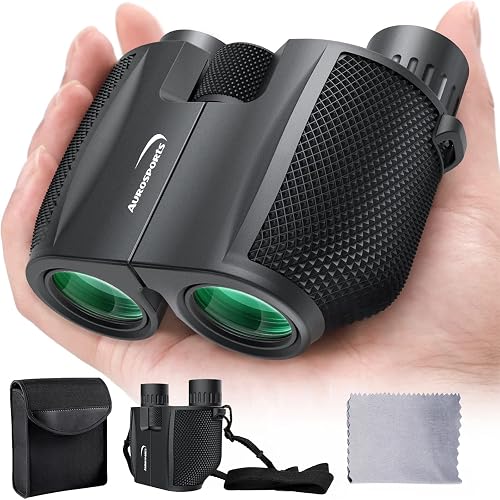
Aurosports 10x25 Compact Binoculars for Bird Watching
Best for compact travel - 5
 Check it
Celestron Cometron 7x50mm Astronomy Binoculars
Best for beginner stargazing - 6
 Check it
Celestron Outland X 8x42 Binoculars for Birding
Best for weather-ready birding - 7
 Check it
Celestron UpClose G2 8x21 Pocket Binoculars
Best for pocket carry - 8
 Check it
Celestron Outland X 10x50 Binoculars for Low-Light
Best for low-light wildlife
Best Celestron UpClose G2 binoculars for each use
The UpClose G2 10x50 is the strongest all-purpose pick, while the 8x21 is better when size and weight matter more than low-light reach. The other models fill clear gaps for deep-sky viewing, beginner astronomy, weather-ready birding and travel.
Celestron UpClose G2 10x50 Porro Binoculars: Best for astronomy and wildlife
- 10x magnification
- 50mm objectives
- Multi-coated BK-7 prism glass
- Water-resistant rubber-covered aluminum body
The 10x50 UpClose G2 balances useful magnification with large objectives for wildlife, nature viewing and backyard astronomy. It includes a carrying case, lens covers, a cloth and an instruction manual.
Pros
- Bright 50mm objectives
- Water-resistant body
- Tripod compatible
Cons
- Larger than the pocket model
- 12mm eye relief
The Celestron UpClose G2 10x50 combines 10x magnification with 50mm objectives. That pairing brings wildlife, sports and night-sky targets closer while giving the binoculars a larger light-gathering opening than the 8x21 model.
Its multi-coated BK-7 prism glass is designed to increase light transmission. The 6.8-degree field of view gives you a useful balance between detail and scene coverage when scanning nature or the sky.
The rubber-covered aluminum body is water resistant and shaped with thumb indents and finger ridges for grip. It weighs 765 g, so it is portable but not a pocket model.
The box includes a carrying case, objective covers, eyepiece covers, a lens cloth and an instruction manual. It is also compatible with a tripod, which can help during longer viewing sessions.
Choose it for backyard astronomy, wildlife and general outdoor use. If you need the smallest Celestron option, the 8x21 is easier to carry.
Celestron SkyMaster 25x70 Binoculars for Astronomy: Best for long-range astronomy
- 25x magnification
- 70mm objective lenses
- BaK-4 prisms
- Built-in 1/4-20 tripod adapter
The SkyMaster 25x70 is built for strong magnification and extended astronomy or long-distance land viewing. Its size and weight make a sturdy photographic tripod the practical choice.
Pros
- Highest magnification here
- Large 70mm objectives
- Tripod adapter included
Cons
- Narrow 2.7-degree field of view
- Heavy at 1474 g
The Celestron SkyMaster 25x70 is the high-power choice in this group. Its 25x magnification and 70mm objectives suit long-range land viewing and astronomy, but the 2.7-degree field of view is much narrower than the UpClose G2 10x50.
This model weighs 1474 g and includes a built-in 1/4-20 tripod adapter. A sturdy photographic tripod is the sensible setup for extended use because high power makes hand movement more noticeable.
For another way to steady handheld views, see how image-stabilized binoculars work.
BaK-4 prisms and multi-coated optics support bright, detailed views in dim conditions. The water-resistant, rubber-armored housing adds grip, while fold-down eyecups can help eyeglass wearers position their eyes.
The included accessories are a carrying case, instruction manual, lens cloth, neck strap, objective lens cap, rainguard and tripod adapter. This is specialized astronomy gear rather than a quick pocket binocular.
Choose it when distant detail matters most and you already have a stable viewing setup.
Celestron SkyMaster 15x70 Astronomy Binoculars for Stargazing: Best for deep-sky balance
- 15x magnification
- 70mm objective lenses
- BaK-4 prisms
- 18mm eye relief
The SkyMaster 15x70 gives astronomy buyers more power than the UpClose G2 10x50 while keeping a wider field than the 25x70. Its tripod adapter supports stable extended viewing.
Pros
- 70mm objectives
- 18mm eye relief
- Tripod adapter included
Cons
- Needs tripod support for long sessions
- Heavier than handheld models
The Celestron SkyMaster 15x70 gives you a middle point between handheld binoculars and the stronger 25x70 model.
Its 15x magnification and 70mm objectives suit astronomy and long-range viewing, while its 4.4-degree field is wider than the 25x70.
That wider field makes it easier to find a target and keep it in view, even though the view will still feel tighter than a 7x50 or 10x50.
The 4.7mm exit pupil and 18mm eye relief make the optical layout useful for night-sky viewing.
BaK-4 prisms and multi-coated optics are intended to improve light throughput and contrast, so fainter stars should appear brighter and clearer.
This model weighs 3.3 lb and includes a tripod adapter. You can hold it for short looks, but extended sessions will be more comfortable on a tripod.
It includes objective lens caps, a rainguard, a carrying case, a neck strap, a lens cloth and an instruction manual, with a water-resistant rubber-armored body for outdoor use.
Pick it when 10x feels too mild but 25x feels too narrow or demanding.
Aurosports 10x25 Compact Binoculars for Bird Watching: Best for compact travel
- 10x magnification
- 25mm objectives
- BAK4 prisms
- Fully multi-coated lenses
These compact binoculars suit travel, bird watching, sports and family use where low weight matters. The 10x25 design folds for pocket or glove-box storage.
Pros
- 8.8 oz weight
- Foldable compact design
- Fits kids and adults
Cons
- Smaller objectives than astronomy picks
- Less suited to very dark viewing
The Aurosports 10x25 is the compact travel pick.
It keeps 10x magnification but uses 25mm objectives, so the body is much smaller than the 10x50 astronomy models.
That design is aimed at convenience. The binoculars are small enough to carry in a jacket pocket, a purse or a car glove box for spontaneous use.
At 8.8 oz, it suits bird watching, cruises, travel, sports and family use.
The foldable design can fit a jacket pocket or glove box, and the adjustable eye width is intended for kids and adults.
Sharing is easier at this size. One pair can work for different users on a trip without one person struggling to hold a large, heavy body.
BAK4 prisms and fully multi-coated lenses support brighter views than uncoated optics.
The coatings help reduce glare and improve light transmission, so daytime and shaded views should look clearer.
The rubber armor provides a non-slip surface and adds protection for everyday carrying.
That matters when binoculars are tossed into a bag or passed between family members during a day out.
The smaller objectives are the trade-off.
They make the binoculars easier to carry but give them less low-light reach than the 50mm and 70mm models in this roundup.
Choose it when portability is the main reason to buy.
For night-sky viewing, the Celestron UpClose G2 10x50 is the more suitable size.
Celestron Cometron 7x50mm Astronomy Binoculars: Best for beginner stargazing
- 7x magnification
- 50mm objectives
- 6.8-degree field of view
- Built-in tripod adapter socket
The Cometron 7x50 offers a steady, wide view for learning constellations, scanning the Milky Way and finding large sky objects. It is also suited to daytime hiking and scenic viewing.
Pros
- Wide sky view
- Steady 7x power
- Tripod adaptable
Cons
- Individual focus
- Tripod adapter not included
The Celestron Cometron 7x50 is the easiest astronomy model here for wide sky scanning.
Its 7x magnification is steadier by hand than the higher-power SkyMaster models, and its 50mm objectives gather more light than pocket binoculars.
That combination is well suited to beginners. You can scan larger areas of sky without the image shaking as much as it would at 15x or 25x.
The 6.8-degree field of view helps you pan across constellations, the Milky Way and large sky objects.
A wide field makes learning the sky easier. You can see more context around a target, which helps you understand where it sits in relation to nearby stars.
It also works for daytime hiking, scenic viewing and birdwatching.
The 50mm objectives keep daytime views bright, while the lower power helps you follow movement without losing the subject.
This model uses individual focus and has a close focus distance of 26.2 ft.
Individual focus means each eyepiece is set separately, so take a little extra time to get both sides sharp.
It includes a carrying case, eyepiece caps, an instruction manual, a lens cloth, a neck strap and objective lens caps.
A built-in tripod adapter socket supports stable viewing, but the adapter itself is not included.
At 774 g, it is a full-size binocular rather than a pocket model.
Choose it for beginner stargazing when a broad, steady view matters more than high magnification.
Celestron Outland X 8x42 Binoculars for Birding: Best for weather-ready birding
- 8x magnification
- 42mm objectives
- BaK-4 prisms
- Waterproof and nitrogen-purged housing
The Outland X 8x42 is a strong general outdoor option for birding and nature viewing. Its 8x power and 7-degree field help you follow moving subjects.
Pros
- Wide field of view
- Waterproof housing
- 17.8mm eye relief
Cons
- Heavier than pocket binoculars
- Tripod adapter not included
The Celestron Outland X 8x42 is the strongest general birding option in this comparison.
Its 8x power is easier to hold steady than 10x, while the 7-degree field helps you follow birds in flight.
That balance is useful on trails. You get enough magnification to see detail, but the view remains stable enough to track a moving subject.
The 42mm objectives keep the body smaller than a 50mm binocular while still supporting bright views.
You give up some light gathering compared with a 50mm model, but you gain a more compact binocular that many people will carry more often.
Multi-coated lenses and BaK-4 prisms support light transmission, contrast and color accuracy.
In practice, that should give you clear, true-to-life views in mixed light, from bright open areas to shaded woodland.
Its waterproof, nitrogen-purged polycarbonate housing is built for rain, snow and humidity.
That weather protection is a key reason to choose this model over a water-resistant option if you often go out in changing conditions.
Rubber armor helps protect the body and provides a secure grip.
The grip matters when your hands are cold or wet, and it also cushions the binoculars against bumps in a bag.
The 17.8mm eye relief is useful if you observe with eyeglasses.
A carrying case, instruction manual, lens cloth, neck strap, objective lens caps and rainguard are included.
Choose it for nature trails and changing outdoor weather.
For astronomy, the UpClose G2 10x50 gives you larger objectives and more magnification.
Celestron UpClose G2 8x21 Pocket Binoculars: Best for pocket carry
- 8x magnification
- 21mm objectives
- Folding design
- Water-resistant rubber-covered aluminum body
The UpClose G2 8x21 is the easiest Celestron option here to carry on hikes, trips and to sports events. Its compact roof-prism design trades low-light reach for portability.
Pros
- Pocket-sized design
- 227 g weight
- Folding body
Cons
- 10mm eye relief
- Small 21mm objectives
The Celestron UpClose G2 8x21 is the pocket-sized UpClose G2. Its 8x magnification and 21mm objectives suit sports, hiking, vacations and quick wildlife viewing where a compact folding body is more useful than a large objective.
The rubber-covered aluminum body is water resistant and includes ergonomic thumb indents and finger ridges. At 227 g, it is much easier to carry all day than the full-size 10x50.
Its multi-coated optics increase light transmission, while center focus and an adjustable diopter help you set the view for your eyes. The 7.4-degree apparent angle is helpful for general movement tracking.
The package includes a soft carrying case, binocular straps, an instruction manual and a lens cloth. The 10mm eye relief is shorter than the 10x50 and several other full-size models.
Choose it for travel and sports. Its 21mm objectives are not the right match for serious low-light astronomy.
Celestron Outland X 10x50 Binoculars for Low-Light: Best for low-light wildlife
- 10x magnification
- 50mm objectives
- BaK-4 prisms
- Waterproof and nitrogen-purged housing
The Outland X 10x50 combines 10x power with 50mm objectives for wildlife at dawn, dusk or under dense cover. Its waterproof housing suits changing outdoor weather.
Pros
- Large low-light objectives
- Waterproof body
- 17.4mm eye relief
Cons
- 0.76 kg weight
- Narrower view than 8x42
The Celestron Outland X 10x50 suits wildlife viewing in dimmer conditions.
Its 10x power and 50mm objectives match the basic size of the UpClose G2 10x50, but this model adds a waterproof, nitrogen-purged outdoor housing.
That makes it appealing for dawn, dusk and damp weather. The sealed body is designed to resist fogging and water ingress during outdoor use.
BaK-4 prisms and multi-coated optics support bright, high-contrast views.
The 50mm objectives gather more light than 42mm or smaller models, which helps when wildlife is active in low light.
The 5.6-degree field is narrower than the UpClose G2's 6.8 degrees, so the Outland X favors detail over a broader scan.
That narrower view means you may need to pan more carefully to find and follow a moving animal.
It weighs 0.76 kg and has 17.4mm eye relief.
The weight is manageable for a full-size binocular, though it will feel heavier than pocket models on a long walk.
Twist-up eyecups are designed for use with or without eyeglasses, and the body has rubber armor for grip and protection.
The eye relief gives eyeglass wearers more room to see the full field comfortably.
It includes a carrying case, instruction manual, lens cloth, neck strap, lens covers, rainguard and objective lens covers.
A tripod can provide steadier viewing, but the adapter is not included.
Choose it when weather protection and low-light wildlife use matter more than the UpClose G2's wider field.
How do UpClose G2 binocular sizes compare?
The UpClose G2 8x21 is the portability model, while the 10x50 is the low-light and detail model. The first number shows magnification, and the second number shows objective lens diameter in millimeters.
An 8x21 binocular gives a wider, easier-to-hold view in a smaller body. It works well for sports, travel and daytime hikes, but its 21mm objectives are not designed for the same low-light use as 50mm objectives.
The 10x50 model brings subjects closer and gathers more light. The cost is a larger body, more weight and a greater need to hold the binocular steady.
For a deeper explanation of numbers, read what 15x70 binoculars mean. The same idea applies to 8x21 and 10x50: magnification comes first, objective diameter comes second.
Which binoculars are better for astronomy?
The Cometron 7x50 is the easiest beginner astronomy choice, while the SkyMaster 15x70 and 25x70 offer more magnification with a stronger need for tripod support. The UpClose G2 10x50 sits between them for general use.
Choose 7x50 when you want to scan a wide area of sky and keep the image steadier by hand. Choose 10x50 when you want more detail for wildlife and astronomy without moving to a large tripod-mounted setup.
The SkyMaster 15x70 is the balanced high-power option. The 25x70 brings the most magnification here, but its narrow field and heavier body make it more specialized.
If you prefer a traditional 10x50 format, compare this roundup with the Pentax SP 10x50 binoculars review. For broader views, see the best ultra wide angle binoculars guide.
What should eyeglass wearers check?
Eye relief is the key specification for eyeglass wearers.
Eye relief is the distance your eye needs to sit from the eyepiece to see the full image.
When that distance is short, glasses can block the view or force you into an uncomfortable position.
With more eye relief, you can hold the binoculars at a more natural distance. That usually makes viewing more relaxed over a longer session.
The Outland X 8x42 has 17.8mm of eye relief, the Outland X 10x50 has 17.4mm, and the SkyMaster 15x70 has 18mm.
Those figures are in the more comfortable range for many eyeglass wearers. They give you room to keep your glasses on while still seeing the full field.
The UpClose G2 10x50 has 12mm, while the 8x21 has 10mm.
Those shorter figures can still work, but they may require you to hold the binoculars closer to your face. Some eyeglass wearers find that tiring or awkward.
Fold-down or twist-up eyecups can help you adjust the distance between your eye and the lens.
If you wear glasses, test the fit before a long outing if you can.
Read our guide to the best binoculars for eyeglass wearers before choosing a short-eye-relief model.
How should you choose between Celestron and other binocular brands?
Choose Celestron when the model's magnification, objective size and use match your observing plan.
Brand name matters less than whether the binocular is steady enough, bright enough and portable enough for the way you observe.
A trusted brand can give you confidence in build quality and support. It cannot change the basic physics of magnification, objective size and weight.
The UpClose G2 10x50 is the best fit here for a mix of wildlife, travel and astronomy.
Its 10x power and 50mm objectives give you detail and light gathering without forcing you into a large tripod setup for every use.
The 8x21 makes more sense if you carry binoculars often, while the SkyMaster models are for buyers prepared to use a tripod.
Consider how you will travel with the binoculars. A jacket pocket, a camera bag and a car glove box all favor different sizes.
Consider also how you will hold them. Handheld viewing favors lower magnification and a lighter body, while tripod viewing can support higher power.
Weather matters too. Waterproof and nitrogen-purged models suit wet conditions, while water-resistant models can handle light rain and splashes.
For a wider brand comparison, read Celestron vs Meade binoculars.
If you're considering Nikon instead, our guide answers are Nikon binoculars good and explains what to look for across the range.
How do you set up binoculars for a clear view?
Adjust the binoculars to your eyes before judging the view.
Set the interpupillary distance until the two circles merge, focus the center control, then adjust the diopter for the other eye.
Interpupillary distance is the spacing between the two eyepieces. It should match the distance between your eyes so both images line up as one.
Start with the hinge. Hold the binoculars up and adjust the spacing until you see a single clear image.
Next, focus on a distant target. Use the center focus control until the main image is sharp.
Then close one eye and adjust the diopter for the other side. That step corrects for small differences between your eyes.
Start with a large, easy target in daylight. Avoid starting with a faint star or a fast-moving bird.
Keep the lenses capped when you are not viewing, and use the included lens cloth rather than a shirt or paper towel.
For high-power astronomy binoculars, attach the tripod before a long session. A tripod reduces hand shake and takes the weight off your arms and neck.
If you use Nikon binoculars as well, this guide on how to use Nikon binoculars covers the same basic focusing process.
Good setup takes a minute, but it can make the difference between a blurry view and a clear one.
Final verdict on the Celestron UpClose G2 review
Pick the Celestron UpClose G2 10x50 for the best mix of astronomy, wildlife and general outdoor viewing.
Pick the 8x21 for travel and sports, the Cometron 7x50 for wide beginner stargazing, or the SkyMaster 15x70 and 25x70 when high magnification is worth using a tripod.
Each pick solves a different problem. The 10x50 balances power, brightness and portability for general use.
The 8x21 puts portability first. It is the model to choose when you want binoculars in your pocket or bag for every outing.
The Cometron 7x50 puts ease first. Its lower power and wide field make it forgiving for learning the night sky.
The SkyMaster models put magnification first. They reward buyers who are willing to use a tripod for steadier, more detailed views.
The deciding rule is simple: choose the objective size and magnification that fit your hands, light conditions and viewing distance.
Larger objectives gather more light, but they also add size and weight. Higher magnification shows more detail, but it demands steadier support.
A smaller binocular you carry often can be more useful than a larger one that stays at home.
That is why the 10x50 is the safest recommendation for most buyers. It is large enough for serious viewing, but not so large that it becomes a chore to carry.
If your main use is clear, the right choice should be clear too. Match the model to that use, and you will get more enjoyment from every session.
Our top 3 picks at a glance
-
1
Best for astronomy and wildlife
Celestron UpClose G2 10x50 Porro Binoculars
9.7/10 our score
See it on Amazon -
2
Best for long-range astronomy
Celestron SkyMaster 25x70 Binoculars for Astronomy
9.6/10 our score
See it on Amazon -
3
Best for deep-sky balance
Celestron SkyMaster 15x70 Astronomy Binoculars for Stargazing
9.5/10 our score
See it on Amazon
Frequently asked questions
Which Celestron UpClose G2 binoculars are best for astronomy?
The Celestron UpClose G2 10x50 is the better astronomy choice because its 50mm objectives gather more light than the 8x21 model, while 10x power brings distant objects closer. Choose the Cometron 7x50 for a wider, steadier sky scan, or a SkyMaster for stronger magnification.
What is the difference between Celestron UpClose G2 8x21 and 10x50?
The UpClose G2 8x21 is smaller and lighter, with 8x magnification and 21mm objectives for travel and sports. The UpClose G2 10x50 is larger, with 10x magnification and 50mm objectives that suit wildlife and lower-light viewing better.
Are 10x50 binoculars good for stargazing?
Yes, 10x50 binoculars can be a useful handheld astronomy size because 10x power shows more detail while 50mm objectives gather useful light. A tripod can help during long sessions.
For a wider, steadier view, 7x50 binoculars may be easier to hold.
Do Celestron astronomy binoculars need a tripod?
A tripod is most useful for large, powerful models such as the SkyMaster 15x70 and 25x70. Their high magnification and heavier bodies make extended handheld viewing tiring.
Smaller 7x50 and 10x50 binoculars can be used by hand, though a tripod may still improve stability.