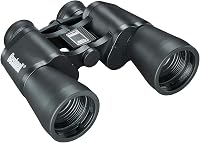
What Binoculars to Buy: A Complete Guide
The best binoculars to buy match your main use, viewing conditions and comfort: choose 7x50 or 10x50 for broad, bright sky views, compact 10x25 models for travel, and 15x70 models when you can use a tripod. Magnification alone does not decide which binoculars are right for you.
On this page (17 sections)
- What Binoculars to Buy: A Complete Guide
- What do binocular numbers mean?
- What binoculars should you buy for your main activity?
- How much magnification do you need?
- What objective lens size should you choose?
- What is an exit pupil, and why does it matter?
- Why do prism type and lens coatings matter?
- Which binoculars are easiest to hold steady?
- Do binoculars work with glasses?
- How should you focus binoculars?
- What binocular features matter most for astronomy?
- Four binoculars that cover common buying needs
- How should you compare binoculars for the price?
- Are more expensive binoculars always better?
- How should you care for binoculars?
- Explore astronomy binoculars by topic
- What are the best binoculars to buy?
What Binoculars to Buy: A Complete Guide
The best binoculars to buy depend on what you watch, how much light you need and how steadily you can hold them. For general outdoor use, 8x or 10x binoculars are common starting points.
For astronomy, 7x50 and 10x50 models offer a useful balance, while 15x70 binoculars are better suited to tripod-supported viewing.
The numbers on binoculars tell only part of the story. Magnification affects reach, objective size affects light and physical bulk, and the optical design affects how the view feels as you scan.
This guide explains what to look for before you buy. It also compares 4 binoculars that cover compact travel, general viewing and beginner astronomy.
What do binocular numbers mean?
The first number is magnification, and the second number is the diameter of each objective lens in millimeters. A 10x50 binocular enlarges the view 10 times and uses 50mm front lenses.
Magnification does not work like a simple quality score. More power can reveal extra detail, but it can also narrow the field of view and make hand shake more obvious.
Objective size affects how much light the binoculars can gather. Larger objectives can support brighter views in dim conditions, but they also add size and weight.
| Binocular size | What it means | Typical trade-off |
|---|---|---|
| 7x50 | 7x magnification with 50mm objectives | Broad, bright views with easier handheld use |
| 8x42 | 8x magnification with 42mm objectives | Balanced general-use format |
| 10x50 | 10x magnification with 50mm objectives | More reach and light, with more shake |
| 12x50 | 12x magnification with 50mm objectives | More detail, but harder to hold steady |
| 15x70 | 15x magnification with 70mm objectives | Long-range reach and light gathering with tripod support |
| 10x25 | 10x magnification with 25mm objectives | Compact and light, with less light gathering |
A 50mm objective does not automatically create a sharp image. Lens coatings, prism quality, focusing, alignment and your ability to hold the binoculars all affect the view.
If you are comparing formats for astronomy, our guide to what size binoculars to choose for astronomy explains how objective size and magnification change the experience.
What binoculars should you buy for your main activity?
Buy 7x50 or 10x50 binoculars for astronomy, 8x or 10x models for general outdoor viewing, and compact 10x25 binoculars for travel. Choose 15x70 binoculars when you want more reach and can support their size with a tripod.
Your main activity should set the first limit. A compact model may be ideal for a cruise or concert, but it will not gather as much light as a 50mm astronomy binocular in a dark sky.
Binoculars for astronomy
Astronomy binoculars benefit from large objectives, a useful field of view and comfortable handling. You will often scan broad areas rather than follow one tiny target, so a wide view can be more useful than maximum magnification.
A 7x50 binocular gives you lower magnification and a large exit pupil. That combination can make it easier to pan across constellations, the Milky Way and large sky objects.
A 10x50 binocular adds reach while keeping the 50mm objective size. It can show more detail than a 7x model, but you need a steadier grip.
A 15x70 binocular can show more detail and gather more light, but its weight and magnification make a tripod a practical part of the setup. Read our guide to the best 10x50 binoculars for astronomy if you want the middle ground.
Binoculars for bird watching and wildlife
Bird watching favors a balance of reach, field of view and quick handling. A very narrow view can make it harder to find a moving bird, while too little magnification may leave distant details unclear.
A compact 10x25 model is easy to carry and can suit short viewing sessions. A full-size 10x50 model gives you larger objectives and a more substantial body, but it takes more room in a bag.
For a comparison of shared outdoor and sky use, see our guide to the best binoculars for stargazing and bird watching.
Binoculars for travel and events
Travel binoculars should be light enough that you will actually carry them. Compact models can fit into a jacket pocket or small travel bag, while full-size models may give you a brighter view but require more space.
Consider the focus control and the way the binoculars sit in your hands. At a concert, sports event or scenic overlook, fast adjustment and low weight may matter more than maximum light gathering.
Our best compact lightweight binoculars guide focuses on this carry-first decision.
Binoculars for long-range viewing
Long-range viewing usually benefits from higher magnification, but distance alone does not mean you should choose the most powerful binoculars available. Heat shimmer, hand movement and a narrow field of view can make high power harder to use.
A tripod can turn a difficult handheld view into a steadier one. Compare the options in our guide to the best long range binoculars before choosing a high-magnification model.
How much magnification do you need?
Choose 7x or 8x for easier handheld viewing, 10x for a balance of reach and control, and 12x to 15x when you accept more shake or plan to use support. Higher magnification is useful only when the rest of the setup lets you use it.
At 7x, the apparent movement from your hands is less noticeable. This can help when scanning the sky or following a moving subject.
At 10x, distant details look larger, but the view may feel less stable. A 10x binocular can still be practical handheld when its weight and grip suit you.
At 15x, small hand movements are much more visible. A tripod becomes especially useful for long sessions, and you may need more time to find a target through the narrower view.
A higher number also does not guarantee a sharper picture. Focus accuracy, optical alignment, lens coatings and the stability of your hands all matter.
If you are considering 12x models, compare the best 12x50 binoculars for the money with lower-power alternatives before deciding.
What objective lens size should you choose?
Choose 25mm objectives for portability, 42mm objectives for a general balance, and 50mm or larger objectives when low-light viewing matters more than compact size. Large objectives gather more light, but they make the binoculars heavier and less pocket-friendly.
The objective lenses are the larger lenses at the front. Their diameter affects the amount of light entering the optical system.
A 25mm objective keeps a binocular compact. It can work well for travel, events and daytime viewing, but the smaller opening is less suited to dim sky conditions.
A 50mm objective is a popular astronomy size because it gathers more light while remaining more manageable than very large binoculars. The trade-off is a bigger body and more weight.
A 70mm objective gathers still more light and supports high magnification, but the binoculars are much more likely to need a tripod. Your observing location and support plan should be decided before buying.
For broad comparisons, see the best wide angle binoculars and consider whether a wide view or a larger objective better matches your use.
What is an exit pupil, and why does it matter?
Exit pupil is the small circle of light you see when you hold binoculars away from your eyes. You calculate it by dividing objective size by magnification, so 50mm objectives at 10x produce a 5mm exit pupil.
A larger exit pupil can make the view easier to use in dim conditions. It also makes alignment with your eyes less demanding for some viewers.
A smaller exit pupil can still work well in daylight. Compact 10x25 binoculars produce a 2.5mm exit pupil, which fits their travel-focused design.
Exit pupil is not a promise of image quality. A large exit pupil cannot fix poor focus, misalignment, glare or an unsteady grip.
Why do prism type and lens coatings matter?
Prisms turn the inverted image into the correct orientation, while lens coatings reduce reflections and improve light transmission. Look for clear information about the prism glass and coatings, but do not treat one label as the whole buying decision.
Porro prism binoculars have an offset shape between the front and rear lenses. They often provide a deeper-looking image and can offer good performance in a traditional full-size design.
Roof prism binoculars use a straighter body. They can be easier to pack, but the design and its execution matter more than body shape alone.
Multi-coated and fully multi-coated lenses have anti-reflective coatings on some or all optical surfaces. These coatings can help more light reach your eyes and reduce internal reflections.
BK-4 and BK-7 describe prism glass types. The exact optical result still depends on the complete design, alignment and coatings.
Which binoculars are easiest to hold steady?
The easiest binoculars to hold steady are usually lower-power models with a comfortable grip and a manageable weight. A 7x binocular is generally less demanding than a 10x model, and a 15x binocular is often better with tripod support.
Brace your elbows against your body when possible. Hold the binoculars close to your face and avoid squeezing the body harder than necessary.
A neck strap can reduce the chance of dropping the binoculars while you change position. For extended viewing, a tripod mount can reduce arm fatigue and help you keep a target centered.
Image stabilization can also help when you want higher magnification without immediately using a tripod. Our guide to the best image stabilized binoculars explains where that feature fits.
For very large binoculars, see the best tripod mounted binoculars and make sure your support can handle the binoculars securely.
Do binoculars work with glasses?
Binoculars can work with glasses when they offer enough eye relief and eyecups that fold down or adjust. Eye relief is the distance your eyes can be from the eyepieces while still seeing the full field of view.
If you wear glasses, fold down the eyecups when the design allows it. This helps move your eyes closer to the correct viewing position without removing your glasses.
Short eye relief can cause dark edges or a smaller usable view. The exact comfort depends on your glasses, face shape and the binocular design.
Read do binoculars work with glasses for a closer look at eye relief and eyecup adjustment. You can also compare the best binoculars for eyeglass wearers if glasses are a main buying concern.
How should you focus binoculars?
Start by adjusting the eyepiece diopter for the difference between your eyes, then use the center focus control for normal viewing. Focusing one eye at a time gives you a better starting point than turning the center wheel randomly.
Close or cover one eye and focus the other using the center control. Then use the diopter adjustment for the second eye while keeping the first eye closed.
Open both eyes and use the center focus wheel for different distances. You should not need to keep changing the diopter unless your viewing setup changes.
Individual-focus binoculars work differently. They can suit subjects at similar distances, but they may take more adjustment when you move between close and distant targets.
Our guide explains how to use Nikon binoculars with a focus on setup and viewing technique. If you are comparing brands, read are Nikon binoculars good for a broader look at their common strengths and trade-offs.
What binocular features matter most for astronomy?
For astronomy, prioritize objective size, field of view, exit pupil, steady handling and tripod compatibility. Waterproofing and included covers can help with outdoor use, but they do not replace good optical matching.
A wide field of view makes it easier to scan the sky and find large objects. It can also help you follow a moving satellite or sweep across a constellation.
A large objective can make dim views brighter, but only if the binoculars are comfortable enough to aim and focus. If the instrument is too heavy to hold, the theoretical light advantage may be less useful in practice.
Tripod compatibility matters for 12x, 15x and larger binoculars. It can also help with 10x50 models during long sessions.
Night vision binoculars are a separate category. Read night vision binoculars for stargazing before assuming they work like traditional astronomy binoculars.
Four binoculars that cover common buying needs
We checked the stated magnification, objective size, field of view, optical details, handling features and intended uses for the 4 products below. The right choice depends on whether you value portability, handheld astronomy, brighter low-light views or higher magnification.
Celestron UpClose G2 10x50 Porro Binoculars
The Celestron UpClose G2 combines 10x magnification with 50mm objectives, making it a practical fit for buyers who want one full-size binocular for wildlife, events and astronomy. Its multi-coated BK-7 prism glass is designed to increase light transmission, and its rubber-covered aluminum body has ergonomic thumb indents and finger ridges.
The 6.8-degree field of view gives you useful room for scanning, while the 5mm exit pupil suits dimmer viewing better than a compact 10x25 design. Manual center focus and a diopter adjustment range of plus or minus 5 diopters let you set the view for your eyes.
It weighs 765g, so it is not a pocket binocular. The body is compatible with a tripod, which can help during long observations.
The box includes a carrying case, objective covers, eyepiece covers, a lens cloth and an instruction manual.
Choose it if you want a versatile 10x50 format with a full-size grip. For a closer look at this model, see the Celestron UpClose G2 review.
Celestron SkyMaster 15x70 Astronomy Binoculars
The Celestron SkyMaster 15x70 is for buyers who want higher magnification and large objectives for astronomy or long-distance land viewing. Its 15x power and 70mm objectives can reveal more detail and gather more light than smaller binoculars, but its 3.3 lb weight makes tripod support important for extended use.
Its BaK-4 prisms and multi-coated optics are designed for bright, sharp views in dim conditions. The 4.4-degree field of view is narrower than the UpClose G2 and Cometron, so careful aiming matters more.
The built-in 1/4"-20 adapter attaches to many standard photographic tripods. The binoculars include a tripod adapter, objective lens caps, a rainguard, a carrying case, a neck strap, a lens cloth and an instruction manual.
Choose it when high power is central to your observing plan. Skip this size if you need a light binocular for quick handheld viewing.
Aurosports 10x25 Compact Binoculars
The Aurosports 10x25 is for buyers who care most about portability. It weighs 8.8 oz and measures 3.7 in by 2.1 in, so it is easier to carry in a jacket pocket, car or small travel bag than the full-size astronomy models here.
The 10x magnification gives you reach in a small body, while the 25mm objectives keep the binoculars compact. Its 2.5mm exit pupil is smaller than the 5mm exit pupil of the UpClose G2, so it is better matched to brighter conditions than dim night-sky viewing.
Fully multi-coated lenses and BAK4 prisms are designed to support light transmission. The binoculars have a center focus, adjustable eye width and non-slip rubber armor.
The stated field of view is 362 ft, and the body is compatible with a smartphone.
Choose it when you will carry the binoculars often and mostly view in daylight. For a broader comparison, see the best binoculars for general use.
Celestron Cometron 7x50mm Astronomy Binoculars
The Celestron Cometron 7x50mm is for beginners who want a broad, steady way to scan the night sky. Its 7x magnification is easier to hold than 10x or 15x, while the 50mm objectives gather more light than compact travel binoculars.
The 6.8-degree field of view helps you scan large areas quickly. Multi-coated optics and a 7.1mm exit pupil suit wide-field low-light viewing, while the individual-focus design requires you to set each side rather than relying on one center wheel.
The Cometron weighs 774g and has an aluminum enclosure. Its built-in tripod adapter socket can support stable viewing with a standard tripod, although the adapter itself is not included.
The box includes a carrying case, eyepiece caps, an instruction manual, a lens cloth, a neck strap and objective lens caps.
Choose it if a wide sky view and beginner-friendly 7x power matter more than compact size. Compare it with the best astronomy binoculars for beginners for more entry-level options.
How should you compare binoculars for the price?
Compare binoculars by fit, optical size and handling before comparing the price tier. A compact model can be the better value if you carry it often, while a larger model may be worth choosing when astronomy performance is the main goal.
Check the magnification and objective size first. Then look at field of view, exit pupil, eye relief, focusing style and tripod compatibility.
A low-cost binocular with specifications that match your use can be more useful than a higher-cost model that is too heavy or narrow for your routine. The best value is the model you can use comfortably and steadily.
Our guide to the best binoculars for the price explains this decision in more detail. If your budget is limited, compare the best binoculars under 100 dollars while checking the complete specifications.
Are more expensive binoculars always better?
More expensive binoculars are not always better for every buyer. Premium optics may offer improvements in materials, coatings, focus feel, field control or low-light performance, but those benefits matter only if they match your activity.
A compact buyer may prefer a light 10x25 model over a large premium binocular. An astronomy buyer may prefer large objectives and tripod support over a smaller body.
Brand reputation can help you narrow a search, but compare the exact model rather than judging every binocular from one brand as equal. For a brand comparison, see Celestron vs Meade binoculars.
If you want to explore premium options, use the best high end binoculars as a starting point. Buyers who want camera features should also compare the best binoculars with camera.
How should you care for binoculars?
Keep binoculars capped, dry and free from unnecessary dust, then clean the lenses gently when needed. Good care protects the coatings and reduces the chance of scratches.
Use the supplied lens cloth when the model includes one, and follow the instructions for cleaning. Brush or blow away loose grit before wiping so particles do not drag across the glass.
Do not store damp binoculars in a sealed case. Let them dry first, especially after use in rain or near water.
Keep the focus controls moving smoothly without forcing them. Check the neck strap and tripod connection before lifting the binoculars into position.
Water-resistant does not mean every binocular can be submerged. Follow the care guidance for the specific model and avoid exposing the instrument to conditions it was not designed to handle.
Explore astronomy binoculars by topic
- Can You Use Binoculars to Stargaze?
What are the best binoculars to buy?
The best binoculars to buy are the ones whose magnification, objective size and handling match your main viewing habit. Choose the Celestron Cometron 7x50 for broad beginner astronomy, the Celestron UpClose G2 10x50 for a versatile full-size format, the Aurosports 10x25 for portability, or the Celestron SkyMaster 15x70 when higher-power viewing and tripod support are part of the plan.
Pick 7x or 8x if steadiness and a broad field matter most. Pick 10x if you want more reach without moving to the largest binoculars.
Pick 15x70 only when you are ready for more weight and a supported setup.
The best-rated binoculars to buy are not automatically the best match for your eyes or activity. Compare the full specification set, then choose the format you will carry, focus and hold comfortably.
For astronomy, begin with the best Nikon binoculars for astronomy if that brand is on your shortlist, then compare the size and handling against the models above. Your final choice should follow the viewing situation, not magnification alone.
Frequently asked questions
What binoculars should a beginner buy?
A beginner should start with binoculars that match the main activity and can be held steadily. A 7x50 model offers a broad sky view, a 10x50 model adds more reach, and a compact 10x25 model is easier to carry.
For 15x70 binoculars, plan to use a tripod.
What is the best binoculars to buy for astronomy?
The best binoculars to buy for astronomy usually have large objective lenses, useful light gathering and a field of view wide enough for scanning the sky. A 7x50 or 10x50 model is easier to hold than a 15x70 model, while the larger option benefits from tripod support.
Are 10x50 binoculars good for stargazing?
10x50 binoculars are a strong choice for stargazing because 10x magnification adds detail and 50mm objectives gather more light than compact models. They are more demanding to hold steady than 7x50 binoculars, so a tripod can help during longer viewing sessions.
What do the numbers on binoculars mean?
The first number is magnification, so 10x enlarges a subject 10 times compared with unaided viewing. The second number is the objective lens diameter in millimeters, so 50 means 50mm front lenses.
Together, the numbers affect reach, brightness, size and steadiness.
Should I buy binoculars with higher magnification?
Buy higher magnification only when you can keep the view steady and have enough field of view for the subject. Moving from 7x to 10x can reveal more detail, but 15x binoculars are harder to hold still and often make a tripod more useful.