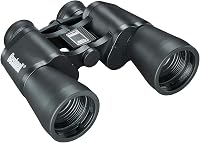
Pentax SP 10x50 Binoculars Review: Worth It? (November 2026)
The Pentax SP 10x50 binoculars suit budget-conscious low-light observing because their 50 mm objectives, multi-coated optics and 5 mm exit pupil support bright views. Choose them for astronomy and outdoor use when weather protection matters.
On this page (8 sections)
- Is the Pentax SP 10x50 good for astronomy?
- Pentax SP 10x50 binoculars review at a glance
- What do the Pentax SP 10x50 specifications mean?
- How does the Pentax compare with other 10x50 binoculars?
- Is 10x magnification too strong for handheld astronomy?
- How should you use the Pentax SP 10x50 outdoors?
- What are the main strengths and limits?
- Are the Pentax SP 10x50 binoculars worth it?
The Pentax SP 10x50 binoculars are a strong budget choice for low-light observing. Their mix of magnification, lens size and weather protection suits astronomy and time outdoors.
They suit beginners who want one pair for star fields and daytime scenery. Bird watching and casual nature study also fit well at this size.
The 10x magnification brings distant subjects closer without demanding a tripod for every use. Short looks can stay handheld with a steady brace.
The 50 mm objectives gather more light than smaller lenses after dark. That helps with faint stars and dim edges of bright objects.
A 5 mm exit pupil matches dark adapted eyes well. It supports comfortable viewing when the sky is at its darkest.
Multi-coated optics keep the image bright and true to life. They also support contrast across a range of light levels.
Waterproof and nitrogen-filled construction adds peace of mind in wet weather. The body is rated to JIS Class 6 and handles submersion to one meter.
That sealing helps with dew and damp evenings, but the outside should still be dried before storage. The main trade-off is size and weight.
At 1.06 kg, these full sized binoculars need room in a bag. Long sessions reward a support or a rested arm position, such as a chair or fence post.
Is the Pentax SP 10x50 good for astronomy?
The Pentax SP 10x50 is well suited to wide-field astronomy and low-light scanning. The 50 mm objective lenses support light gathering, while the 10x magnification gives more detail than lower-power binoculars without reaching the shakiness of many higher-power models.
Its 5 mm exit pupil is a useful match for dark-sky observing. The 5-degree apparent angle of view also keeps a broad section of the sky visible, which helps when looking for star clusters, bright nebulae and large constellations.
This is a manual center-focus binocular. Set the focus carefully before observing, then make small adjustments when moving between the Moon, stars and closer outdoor subjects.
For a wider explanation of the numbers, read what binoculars 10x50 means. If you are still comparing sizes and uses, our binoculars complete buying guide covers the main decisions.
Pentax SP 10x50 binoculars review at a glance
The Pentax SP 10x50 stands out for large objectives, long eye relief and weather protection. It is a practical fit for an observer who wants one pair for astronomy, bird watching and general outdoor use.
Pentax SP 10x50 WP Binoculars: Best for budget low-light observing

- 10x magnification
- 50 mm objective lenses
- 5 mm exit pupil
- Waterproof and nitrogen-filled
- 20 mm eye relief
A full-sized Pentax with 10x magnification, 50 mm objectives, multi-coated optics and waterproof, nitrogen-filled construction for low-light and outdoor observing.
Pros
- Large objectives support low-light viewing
- 20 mm eye relief
- Waterproof and nitrogen-filled
- Multi-coated optics
Cons
- Full-sized body is less compact
- Manual center focus requires adjustment
- 1.06 kg weight may suit a support better for long sessions
The rigid body construction helps maintain optical alignment. Keeping both barrels lined up matters for comfort during extended use.
A rigid build helps the pair hold its setting through normal handling. Misaligned barrels can make the eyes work harder to merge the image.
The rubber enclosure gives a more secure surface to hold. That grip helps when wearing gloves or when the air turns cold and damp.
It also helps protect the body from light knocks in a bag. The case listed with the binoculars should still be used for transport and storage.
Its 20 mm eye relief gives eyeglass wearers more room to position their eyes. Extra distance can make it easier to see the full field with glasses on.
That same space helps observers who prefer to hold the binocular a little farther from the face. It gives more leeway when finding a comfortable eye position.
Fold-down eyecups are not listed in the available product details. Adjustability for glasses should be confirmed before ordering if that point is essential to you.
For non glasses wearers, eye relief still affects how close you sit to the eyepiece. A longer setting can feel relaxed once focus is set.
The included case helps with daily care by keeping the binocular clean and dry. Manual center focus suits deliberate observing, so set focus on a bright star or distant landmark before you begin.
That approach works well for astronomy and stationary scenery. It asks for a little patience when moving between near and far subjects.
What do the Pentax SP 10x50 specifications mean?
The key specifications point to bright, full-sized binocular viewing with moderate handheld stability. Here is how each one affects normal use.
| Detail | Pentax SP 10x50 WP Binoculars |
|---|---|
| Magnification | 10x |
| Objective lens diameter | 50 mm |
| Exit pupil | 5 mm |
| Apparent angle of view | 5 degrees |
| Field of view | 87.2 |
| Eye relief | 20 mm |
| Focus | Manual center focus |
| Coating | Multi-coated |
| Weather protection | Waterproof and nitrogen-filled |
| Submersion protection | Up to 1 meter |
| Body enclosure | Rubber |
| Weight | 1.06 kg |
| Included item | Case |
The 10x power makes distant subjects appear larger, but hand movement is also more visible. Brace your elbows against your body, lean against a solid surface or use a tripod-compatible support if your setup allows it.
That extra size helps with craters on the Moon and detail on bright stars. It also means a calm grip matters more than with lower power models.
The 50 mm objectives are the main reason this model suits low-light observing. They gather more light than smaller lenses and support brighter views after dark.
Those same lenses add to the overall bulk. At 1.06 kg, the binocular feels substantial in the hands during long sessions.
The 5 mm exit pupil matches typical night vision well. It helps deliver a bright image when your pupils are fully open.
A 5 degree apparent angle of view keeps a broad patch of sky in sight. That helps when scanning constellations and large star clusters.
A field of view of 87.2 is listed in the product data. In practice it supports wide scanning rather than narrow, high power study.
Manual center focus lets you tune both barrels together. Small turns of the wheel can follow changes between the Moon and nearer ground subjects.
Multi-coated optics support light transmission through the lenses. The result is a brighter and more natural image in varied conditions.
Waterproof and nitrogen-filled construction suits damp nights and wet days. Submersion protection to one meter adds margin for accidents near water.
Rubber enclosure and a case round out daily use. Comfort, care and a steady support will shape how much you enjoy the specs.
How does the Pentax compare with other 10x50 binoculars?
The Pentax is the best match here for budget-focused low-light observing with strong weather protection. The Bushnell emphasizes a wide view and quick focusing, while the Vortex adds more optical coatings and tripod adaptability.
Pentax SP 10x50 versus Bushnell Falcon 10x50
The Pentax and Bushnell share 10x magnification and 50 mm objectives, but they target slightly different uses. The Pentax has multi-coated optics, 20 mm eye relief and waterproof, nitrogen-filled construction.
The Bushnell Falcon 10x50 Wide-Angle Binoculars use fully coated optics, a Porro prism design and an InstaFocus system. Its stated field of view is 300 ft at 1,000 yd, which can make it useful for sports, sightseeing and moving outdoor subjects.
Bushnell Falcon 10x50 Wide-Angle Binoculars: Best for wide outdoor views

- 10x magnification
- 50 mm objective lens
- Fully coated optics
- Porro prism design
- InstaFocus system
A wide-angle 10x50 option with fully coated optics, a Porro prism design and InstaFocus focusing for outdoor subjects and general observing.
Pros
- Wide field of view
- InstaFocus system
- Rubberized, abrasion-resistant finish
- Carrying case and neck strap included
Cons
- 9 mm eye relief is shorter
- Fully coated optics are less extensive than multi-coated designs
- The product data gives conflicting focus descriptions
Bushnell includes a carrying case and neck strap. The product data gives both a fixed-focus description and an InstaFocus or auto-focus description, so confirm the exact focusing behavior before buying if that feature is central to your choice.
Pentax SP 10x50 versus Vortex Diamondback HD 10x50
The Vortex Diamondback HD 10x50 Binoculars offer a more feature-heavy setup. They use HD glass elements, fully multi-coated lenses, adjustable eyecups, a center focus wheel and a right-side diopter.
The Vortex also has argon purging and O-ring seals for water and fogproof performance. Its 315 ft field of view, 17 mm eye relief and tripod adaptability make it attractive when you want a more supported observing setup.
Vortex Diamondback HD 10x50 Binoculars: Best for premium optical features

- 10x magnification
- 50 mm objective lenses
- Fully multi-coated lenses
- Tripod adaptable
- Waterproof and fogproof
A feature-rich 10x50 with HD glass elements, fully multi-coated lenses, tripod adaptability, fogproof construction and a GlassPak harness.
Pros
- Fully multi-coated lenses
- Tripod adaptable
- 17 mm eye relief
- GlassPak harness included
Cons
- Higher feature level may exceed a basic astronomy budget
- Heavier than some compact binoculars at 1.9 lb
- Its score is lower because the target reader is budget-conscious
Vortex includes a GlassPak case and harness, a comfort neck strap, lens covers, a rainguard eyepiece cover and lens cloth. Its 1.9 lb weight is close to the Pentax's 1.06 kg, so neither is a pocket-sized binocular.
For a closer look at Pentax's higher-end option, compare the Pentax ZD 10x50 ED binoculars review. If waterproof construction is your priority, the Pentax SP 10x50 WP binoculars review is the closest related comparison.
Is 10x magnification too strong for handheld astronomy?
10x magnification is manageable handheld for short viewing periods, but a steady grip improves the image. If you are considering a higher-power pair, learn what 15x70 means on binoculars before deciding how you will support it.
The Pentax's 5-degree apparent angle of view gives you enough sky area to find broad targets without using the narrow view of a much higher-power binocular.
Start by adjusting the eyepieces for your eyes. Focus one side carefully, then check the combined image through both barrels.
If the view feels strained, rest the binocular against your face more gently and support your arms.
A chair with armrests can make a noticeable difference during long sessions. A stable surface also helps when you are studying a faint object rather than scanning casually.
If you prefer a much higher magnification, read how to use Celestron SkyMaster 20x80 binoculars. That type of binocular needs more careful support and is a different choice from a handheld 10x50.
How should you use the Pentax SP 10x50 outdoors?
Use the Pentax with the focus and eye position set before the main observation. Remove loose dust with a blower or soft lens cloth, then keep the objective lenses pointed away from direct sun.
The waterproof and nitrogen-filled construction helps with wet conditions, but weather sealing does not remove the need for care. Dry the exterior before putting the binocular into its case, and avoid storing it while damp.
Keep fingerprints and grease off the glass. The product data describes multi-coated optics and a protective coating for certain SD models, but it does not mean every SP model has that added surface treatment.
Carry the binocular by its strap or case rather than by the focus wheel. Place it on a stable surface when you are not looking through it, and keep the case available for transport.
What are the main strengths and limits?
The Pentax SP 10x50's biggest strength is its balance of light gathering, eye relief and weather protection. Those features fit astronomy beginners and outdoor observers who want one full-sized binocular for several uses.
Its main limit is portability. At 1.06 kg, it is not the lightest choice for a long hike, and 10x magnification still shows hand movement when you are tired or standing without support.
The manual center focus is also better suited to deliberate observing than instant target changes. That is not a problem for stars or stationary scenery, but a fast-moving subject may favor the Bushnell's InstaFocus design.
The Vortex offers more optical and mounting features, but its score is lower for this specific search because the target reader is looking for a budget-conscious standard SP model. The best choice depends on whether your priority is cost-aware astronomy, quick outdoor focusing or a more advanced support system.
If you want a higher-power model from the same line, read the Pentax SP 20x60 WP binoculars review.
Are the Pentax SP 10x50 binoculars worth it?
The Pentax SP 10x50 binoculars are worth considering if you want bright low-light views, 20 mm eye relief and serious weather protection in a full-sized 10x50. They are especially appealing for astronomy, star fields, bird watching and outdoor use where damp conditions are possible.
Pick the Pentax for the strongest match to budget-conscious low-light observing. Its 50 mm objectives, multi-coated optics and 5 mm exit pupil support bright views after dark.
Choose the Bushnell if its wide-angle view and InstaFocus system matter more. That option may suit quick outdoor subjects and moving targets.
Choose the Vortex if you want fully multi-coated optics, tripod adaptability and included carrying gear. Its feature set fits observers who plan a more supported setup.
For another higher-power comparison, see the best 12x50 binoculars for the money. Our score weighs specs, features and buyer feedback against the needs of this search.
The Pentax remains the clear pick for the reader this review is written for. It balances light gathering, eye relief and weather protection without moving into a higher tier.
Frequently asked questions
Is the Pentax SP 10x50 good for astronomy?
The Pentax SP 10x50 suits basic astronomy because its 50 mm objective lenses, 10x magnification and 5 mm exit pupil support bright low-light views. Its 5-degree apparent angle of view is suited to scanning broad star fields, while manual center focus lets you set the image for your eyes.
What does 10x50 mean on binoculars?
The 10x means objects appear about 10 times closer than with unaided viewing, while 50 refers to the objective lens diameter in millimeters. A 50 mm objective can gather more light than a smaller lens, but the larger binocular body may be heavier to hold.
Are Pentax SP 10x50 binoculars waterproof?
The Pentax SP 10x50 WP Binoculars are waterproof and nitrogen-filled to JIS Class 6, with submersion protection to 1 meter. That helps in wet outdoor conditions, but you should still keep the lenses clean, use the case when storing them and follow Pentax care instructions.
Should you choose Pentax, Bushnell or Vortex?
Choose Pentax for budget-conscious low-light observing and weather protection, Bushnell for a wide-angle outdoor view with InstaFocus, or Vortex for fully multi-coated optics, tripod adaptability and a GlassPak harness. All three use 10x magnification and 50 mm objectives.