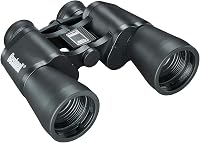
What Does 12x50 Mean on Binoculars?
12x50 means 12x magnification with 50mm objective lenses. The first number is how much closer the view looks, and the second number is the front lens width in millimeters.
On this page (10 sections)
- What does the 12 in 12x50 mean for sky observing?
- What does the 50 in 12x50 mean for brightness?
- How does 12x50 compare with 10x42 and 8x42?
- What field of view do you get at 12x50?
- Can you hold 12x50 binoculars steady without a tripod?
- What are 12x50 binoculars good for in the sky?
- What coatings and prisms mean at 12x50
- Which 12x50 binoculars fit different sky watchers?
- How do you care for 12x50 binoculars in the field?
- What should you remember about the 12x50 binoculars meaning?
12x50 means 12x magnification with 50mm objective lenses. You get a view that looks 12 times closer, gathered through front lenses 50 millimeters across.
That pair of numbers is the whole 12x50 binoculars meaning in one line. The numbers also tell you what to expect for brightness, field of view, and hand shake before you buy.
If you are still deciding on a size, our guide on what binoculars to buy compares 12x50 with smaller sizes for the sky and for day use.
What does the 12 in 12x50 mean for sky observing?
The 12 means the image appears 12 times larger than with your eyes. A star cluster that looks small in the sky fills more of the view at 12x.
At 12x, the Moon shows craters and maria more clearly than at 8x or 10x. You will not see telescope level detail, but the disk is easier to study.
The trade is stability. At 12x, a small tremor in your hands shows up more, so many sky watchers use a tripod or lean their elbows on a solid surface.
All three models here use 12x magnification. Read the first number as reach, since higher power helps you split close star pairs and see fainter stars in a cluster.
What does the 50 in 12x50 mean for brightness?
The 50 means each objective lens is 50mm wide, and that width controls how much light the binocular gathers. More light means a brighter image at night.
Objective lenses are the front lenses facing the sky. A 50mm lens gathers more light than a 42mm lens, so faint stars and star clusters look brighter through a 12x50 pair.
You can see the math in the exit pupil. Exit pupil is objective diameter divided by magnification, so 50 divided by 12 gives about 4.2mm.
The Crossfire HD has a 4.2mm exit pupil, and the Diamondback HD and IBQ models list 4.17mm. A larger exit pupil helps in dark sky conditions, but your eyes must be well aligned behind the eyepieces.
How does 12x50 compare with 10x42 and 8x42?
12x50 gives more reach and a brighter view than 8x42, while 10x42 sits in the middle for balance. Choose based on whether you will use a tripod or hold the binoculars by hand.
At 8x, the view is wide and steady for scanning. At 10x, you gain reach with only a small rise in shake, and at 12x support matters more.
The Vortex models weigh 1.8 pounds and measure about 6.6 by 5.3 inches. The IBQ model lists 0.72 kg, so it is lighter than the Vortex pair.
Compare sizes side by side with what binoculars to buy, which sets out when a smaller pair is the better tool.
What field of view do you get at 12x50?
At 12x50 you get a narrower view than at lower power, so scanning takes more practice. The listed field of view is about 5.2 degrees for both Vortex models.
Field of view is how much sky you see at once. At 5.2 degrees, the Moon leaves plenty of room around it, and star clusters show their core plus nearby stars.
A narrower view means finding an object takes patience. Start with a bright star you know, then move in small steps toward the target.
The IBQ model lists a 5.8 degree field of view, wider than the Vortex pair. Eye relief also affects comfort, at 15mm for the Crossfire HD and 14mm for the Diamondback HD, with twist up eyecups for use with glasses.
Can you hold 12x50 binoculars steady without a tripod?
You can, but you will lose detail if your hands shake. A tripod or a solid rest is the simplest way to get the most from 12x power.
Try a seated position with elbows on knees, or lean against a fence or a car roof. Hold the binoculars with a relaxed grip and use the center focus wheel in small turns.
All three models here support tripod use. The Vortex pair are tripod adaptable for a tripod or a car window mount, and the IBQ model lists center focus and individual focus.
For fixed spot observing, see the best 12x50 binoculars under 1000 for pairs that pair well with tripod use.
How do you set up 12x50 binoculars for a night out?
Set the interpupillary distance first, then the diopter, then focus. That order gives you a clean view in both barrels.
Adjust the hinge so each barrel lines up with one eye. Twist the eyecups up or down for your glasses.
Close your right eye and focus with the center wheel until the left view is sharp.
Next, close your left eye and use the diopter adjustment on the right eyepiece. Vortex lists a diopter range of plus or minus 5 diopters on both its models.
The IBQ model lists center focus plus individual focus.
Mount the binoculars, then fine tune focus on a bright star. Small moves matter at 12x, so turn the wheel slowly and check the sharpness of bright stars as you go.
What are 12x50 binoculars good for in the sky?
They work well for the Moon, bright star clusters, double stars, and bright planets as small disks. They are not a replacement for a telescope.
The Moon at 12x shows mountain ranges along the terminator, the line between light and dark. Clusters such as the Wild Duck Cluster or the Double Cluster fill the view with many points of light.
Venus shows a phase, and Jupiter shows a disk with its Galilean moons in a line. For a short list that suits sky use, see the best 12x50 binoculars for the money.
What coatings and prisms mean at 12x50
Coatings cut glare and help color look true, while prism type shapes size and durability. Both matter more at 12x, since small flaws show up larger.
Fully multi-coated lenses have several anti-reflective layers on all air to glass surfaces, raising light transmission and cutting stray reflections. The Crossfire HD and Diamondback HD both use them.
The Diamondback HD adds dielectric coating for bright, clear, color accurate images, plus Armortek on exterior lenses. The IBQ model lists multi-coated lenses and a roof prism.
The Crossfire HD uses a roof prism for greater durability and a more compact size. Clean coatings keep bright stars round and colorful, and diopter helps if one eye sees color fringing.
Which 12x50 binoculars fit different sky watchers?
Pick the Crossfire HD for a compact roof prism build, the Diamondback HD for dielectric coating, or the IBQ model for a lighter listed weight with a phone adapter. Each one solves a different part of the 12x50 question.
The Crossfire HD has a 5.2 degree field of view, 15mm eye relief, and a 4.2mm exit pupil. It includes a GlassPak binocular case, a rainguard eyepiece cover, tethered objective lens covers, a comfort neck strap, and a lens cloth.
Vortex backs it with an unlimited, unconditional, lifetime VIP Warranty.
Who should choose the Vortex Diamondback HD 12x50?
Choose the Diamondback HD if you want dielectric coating and Armortek protection on the exterior lenses. It has a 5.2 degree field of view and 14mm eye relief.
The Diamondback HD weighs 1.8 pounds and measures 6.4 by 5.3 inches. It uses argon purging and o-ring seals for water and fogproof performance.
Vortex says it includes a GlassPak harness.
For more detail on this pair, read the vortex crossfire hd 12x50 binocular reviews page and compare the two Vortex models side by side.
Who should choose the IBQ 12x50 UHD model?
Choose the IBQ model if you want a lighter listed weight and a phone adapter in the box. It lists 0.72 kg, a 5.8 degree field of view, and a 22mm eyepiece.
The IBQ model lists IPX7 waterproofing, a BAK4 prism in its title, and a roof prism in its specs. The box includes the binocular, a crossbody carry bag, a universal phone adapter, a padded neck strap, and a cleaning cloth.
You can learn how magnification and lens size work together in our guide to What Does Focal Length Mean on a Telescope?. The idea is the same: power and light gathering trade off.
How do you care for 12x50 binoculars in the field?
Keep the lenses covered, the body dry, and the focus smooth. Small habits protect the coatings that make 12x50 views bright.
Store the binoculars in their case with the objective covers on. Wipe lenses with the supplied cloth in a light circular motion, since dust removed dry is better than grit dragged across a coating.
The Crossfire HD uses nitrogen purging with o-ring seals for fogproof performance. The Diamondback HD uses argon purging with o-ring seals, and the IBQ model lists IPX7 waterproofing.
None of those features replace drying the binoculars after a damp night. Rubber armor gives a secure grip in cold weather, so keep a spare cloth handy near dew and check the eyepieces before you pack up, as detailed on the best 12x50 binoculars waterproof page.
What should you remember about the 12x50 binoculars meaning?
12x50 means 12x magnification through 50mm objective lenses, giving reach plus bright views for the Moon and bright clusters. Use support to control shake, and set focus and diopter before you hunt for faint stars.
If you plan to observe from a tripod, the best 12x50 binoculars under 1000 page gives a tighter shortlist. For a value pick first, start with the best 12x50 binoculars for the money.
Pick the Crossfire HD for a compact roof prism build with a GlassPak case. Pick the Diamondback HD for dielectric coating and Armortek protection, and pick the IBQ model for a lighter listed weight, a wider 5.8 degree view, and a phone adapter.
For sealed models for damp nights, check the best 12x50 binoculars waterproof list. Our guide to what binoculars to buy will help you decide if a telescope fits your next step.
Frequently asked questions
Is 12x50 good for stargazing?
Yes, 12x50 is a strong choice for bright stars, star clusters, and the Moon with a tripod. It gives more detail than 10x42 binoculars, but the view shakes more in hand.
Why does 12x50 shake more than 10x42?
Higher magnification makes small hand movement more visible. A tripod, a car window mount, or a resting spot such as a fence post can steady the view for longer looks.
What does 50 mean in 12x50 binoculars?
The 50 in 12x50 is the objective lens diameter in millimeters. Larger front lenses collect more light than smaller lenses, which helps faint stars look brighter.