7 Best Tripod Mounted Binoculars (November 2026)
The best tripod mounted binoculars include the Celestron SkyMaster 25x70 Binoculars for Astronomy for maximum reach, the Celestron SkyMaster 15x70 Astronomy Binoculars for Stargazing for deep sky viewing, and the FANAUE Binocular Tripod Adapter for quick release mounting.
On this page (9 sections)
- Best tripod mounted binoculars for astronomy and land viewing
- How these tripod mounted binoculars were compared
- What does 15x70 mean, and do you need giant binoculars?
- Which magnification works best on a tripod?
- How do you mount binoculars on a tripod?
- Which tripod is best for heavy binoculars?
- SkyMaster giants, Sogries 20x80, or a portable 12x50?
- How do you set up and care for tripod mounted binoculars?
- Verdict: best tripod mounted binoculars for your setup
The best tripod mounted binoculars for most people are the Celestron SkyMaster 15x70 for deep sky viewing and the 25x70 for maximum power. Both include a tripod adapter and both are too large to hold steady for long, so the tripod is part of the system, not an extra.
If you want a lighter option, the Vortex 12x50 works on a tripod and by hand.
You do not need a telescope to see the Moon, bright star clusters and many deep sky objects. A tripod removes the hand shake that wastes high magnification.
It also lets you share the view, take notes and stay comfortable for longer sessions.
Our score weighs specs, features and buyer feedback against what you are shopping for. We compared magnification, lens size, weight, field of view, adapter fit and what is in the box, across binoculars, tripods and adapters here.
Start with what binoculars to buy if you are new to the choice. Then use what does 15x70 binoculars mean to read the numbers on giant models.
For the Moon in particular, see best binoculars for viewing the moon. For 15x70 specific picks, see best 15x70 binoculars for astronomy.
Our picks at a glance
-
1
 Best for maximum reach
Celestron SkyMaster 25x70 Binoculars for Astronomy
9.6/10 our score
See it on Amazon -
2
 Best for deep sky viewing
Celestron SkyMaster 15x70 Astronomy Binoculars for Stargazing
9.5/10 our score
See it on Amazon -
3

- 4
 Best for a complete kitCheck it
- 5
 Check it
Sogries 20x80 Astronomy Binoculars for Adults High
Best for 20x power value - 6
 Check it
Arsoer 69” Tripod for Spotting Scopes
Best for standing height - 7
 Check it
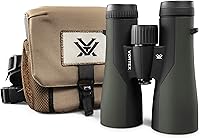
Vortex Triumph HD 12x50 Binoculars
Best for portable tripod use
Best tripod mounted binoculars for astronomy and land viewing
The top picks split into two groups. Giant binoculars give you the most light and power for the night sky.
Tripods and adapters give you a stable base for binoculars you already own. The 12x50 covers the middle ground for portable use.
Celestron SkyMaster 25x70 Binoculars for Astronomy: Best for maximum reach
- 25x magnification
- 70mm objective lenses
- BaK-4 prisms
- Multi-coated optics
- Built-in 1/4-20 tripod adapter
- Rubber-armored housing
The highest power fixed binocular here, built for tripod use on the Moon, planets and long range land viewing.
Pros
- Highest magnification in this group
- Tripod adapter included
- BaK-4 prisms and multi-coated optics
- Carrying case, strap, caps and manual included
Cons
- Narrow 2.7 degree field of view
- Large and heavy for hand held use
- Tripod not included
The Celestron SkyMaster 25x70 suits stargazers who want the closest view in a fixed binocular. With 25x magnification and 70mm lenses, it reaches farther than any other pick here.
That power is only useful on a tripod, and Celestron includes the adapter rod for a standard 1/4-20 tripod.
BaK-4 prisms and multi-coated optics help in low light at dawn, dusk and night. The field of view is 2.7 degrees, so you will need to aim with care.
The rubber armored housing gives a secure grip and water resistant protection. The box includes a carrying case, neck strap, lens cloth, objective caps, rainguard and manual.
The trade off is size. At 1474 g, plus the tripod, this is a fixed setup rather than a hike along pair.
Choose it for maximum reach and detail on the Moon and long range land viewing. Choose the 15x70 if a wider sky view matters more than the extra power.
Celestron SkyMaster 15x70 Astronomy Binoculars for Stargazing: Best for deep sky viewing
- 15x magnification
- 70mm objective lenses
- BaK-4 prisms
- Multi-coated optics
- Built-in 1/4-20 tripod adapter
- Rubber-armored housing
A wider, brighter deep sky view than the 25x70, with the same tripod ready build and included adapter.
Pros
- Wide 4.4 degree field of view
- Tripod adapter included
- BaK-4 prisms for low light
- Carry case included
Cons
- Still too large for comfortable hand held use
- Tripod not included
- Lower power than the 25x70
The Celestron SkyMaster 15x70 suits deep sky viewers who want brightness and a wider field. With 15x magnification and 70mm lenses, it shows more sky at once than the 25x70.
The specs list a 4.4 degree field of view, which makes it easier to find and follow clusters and nebulae.
Celestron includes a tripod adapter for a sturdy 1/4-20 tripod, and the size and weight make tripod use the sensible plan for long sessions. BaK-4 prisms and multi-coated optics help maximize light to your eye.
The rubber armored housing is water resistant, and soft eyecups fold down for eyeglass wearers.
The trade off is lower power. You will not get the close detail of the 25x70 or the 20x80.
Choose this if you want the best balance of power, brightness and field of view for astronomy on a tripod, and read our celestron skymaster 15x70 review for more detail.
FANAUE Binocular Tripod Adapter: Best for quick release mounting
- 1/4-20 thread
- Arca-swiss mount
- T6061 aluminum alloy body
- Quick release design
- Fits listed 7x35 to 30x60 models
A small aluminum quick release adapter for binoculars that do not include a tripod socket adapter.
Pros
- Quick release for fast mounting
- Arca-swiss and 1/4-20 options
- Light aluminum body
- FANAUE offers lifelong warranty
Cons
- Adapter only, no tripod included
- Check your binocular thread depth
- Not suited to very large binoculars without a listed fit
The FANAUE Binocular Tripod Adapter suits owners who already have a tripod and binoculars but no way to join them. It is made from CNC precision cut T6061 aluminum alloy and weighs only 2.23 ounces.
The quick release design lets you mount and remove binoculars fast, which helps when you switch between hand held and tripod use.
Compatibility is the key point. It has an Arca-swiss mount and a 1/4-20 thread, and FANAUE lists fit for models such as 7x35, 8x42, 10-30x52, 12x42, 15x52, 20x25 and 30x60.
Check your binocular thread depth before you order, because brands vary.
The trade off is that it is an adapter only. It does not add height, stability or a tripod head.
Choose it to complete a setup you already have. Choose a full tripod kit below if you need legs, a head and a carry bag in one package.
Lusweimi Binocular Tripod: Best for a complete kit
- Height 16.9 to 69 in
- Aluminum construction
- Binocular adapter included
- 2 quick release plates
- Phone holder and carry bag
- Load bearing hook
A full tripod kit with adapter, two plates, phone holder and bag for binoculars, scopes, cameras and phones.
Pros
- Complete kit in one package
- Tall 69 in reach for standing viewing
- Two quick release plates
- Folds to 16.9 in for storage
Cons
- Binoculars need a 1/4 in threaded hole
- Not water resistant
- Heavier than a bare adapter
The Lusweimi Binocular Tripod suits buyers who want a complete kit rather than separate parts. It is an aluminum tripod with four flip lock feet, adjusting from 16.9 in to 69 in.
With a binocular or spotting scope, shooting height can reach 72 in, so you can view standing without bending.
The package includes a binocular adapter, phone holder, carry bag and 2 quick release plates. That lets you switch between binoculars, a scope, a camera and a phone.
A load bearing hook at the base lets you hang a backpack to add stability in wind. Lusweimi provides 24 months of after sales service.
The trade off is fit. Your binoculars need a 1/4 in threaded hole, and thread depth can vary by brand.
It is also not water resistant. Choose it for a ready to use kit.
Choose the Arsoer if you prefer a 1 year warranty and a similar tall design.
Sogries 20x80 Astronomy Binoculars for Adults High: Best for 20x power value
- 20x magnification
- 80mm objective lenses
- BaK-4 prisms
- 1/4 thread tripod mount
- Rubber-armored housing
- Inner leather bag
20x80 power with 80mm lenses and a tripod thread, aimed at the Moon, star clusters and deep sky targets.
Pros
- 80mm lenses for low light
- Tripod thread removes shake
- BaK-4 prisms
- Diopter adjustment range of +/-5 diopters
Cons
- Heavy at 2.08 kg
- Tripod and adapter not included
- Large for travel
The Sogries 20x80 suits adults who want high power astronomy binoculars at 20x. With 80mm objective lenses, it gathers more light than the 70mm models.
Sogries positions it for the Moon, star clusters and deep sky targets, and it has a 1/4 thread tripod mount to remove shake.
BaK-4 prisms help brightness and clarity in low light. The housing is rubber armored for grip and shock absorption, and Sogries describes waterproof construction with O-ring sealing to keep dust out.
The exit pupil is 4 mm and eye relief is 17 mm. Diopter adjustment runs from +/-5 diopters.
An inner leather bag is included for carry and protection.
The trade off is weight at 2.08 kg. Long hand held use will strain arms and neck, so plan on a tripod.
The tripod itself is not included. Choose it for 20x power and 80mm lenses.
Choose the SkyMaster 15x70 for a wider field or the 25x70 for more power.
Arsoer 69” Tripod for Spotting Scopes: Best for standing height
- Height 16.9 to 69 in
- Aluminum construction
- Binocular adapter included
- 2 quick release plates
- Phone holder and carry bag
- Load bearing hook
A tall aluminum tripod with adapter and two quick release plates, reaching 73 in with a birding scope.
Pros
- Standing height viewing
- Two quick release plates
- Detachable head folds to 16.9 in
- Rectangular tube design for grip
Cons
- Binoculars need a 1/4 in threaded hole
- Not water resistant
- 1 year warranty
The Arsoer 69 inch tripod suits bird watchers and stargazers who mostly view standing. It adjusts from 16.9 in to 69 in, and can reach 73 in with a birding scope.
The aluminum rectangular tube design and leg sheaths help grip and strength. A load bearing hook lets you hang a backpack for extra stability in harsh weather.
The package includes a binocular adapter, 2 quick release plates, phone holder and carry bag. The detachable head compresses storage height to 16.9 in.
The standard 1/4 inch screw works with scopes, binoculars, cameras and phones, with a rotating phone holder included.
The trade off is the same fit check as the Lusweimi. Your binoculars need a standard 1/4 in threaded hole.
It is not water resistant, and the warranty is 1 year compared with 24 months for the Lusweimi kit. Choose it for tall, portable tripod use with scopes and binoculars.
Vortex Triumph HD 12x50 Binoculars: Best for portable tripod use
- 12x magnification
- 50mm objective lenses
- HD optical system
- Fully multi-coated lenses
- Tripod adaptable
- Waterproof and fogproof
A full size 12x50 that works by hand or on a tripod, with HD optics and a harness for each carry.
Pros
- Portable at 1.6 pounds
- Waterproof, fogproof and shockproof
- Neck strap and GlassPak harness included
- Unlimited lifetime VIP warranty
Cons
- Less light grasp than 70mm or 80mm giants
- Lower power than the astronomy giants
- Adapter not listed in the box
The Vortex Triumph HD 12x50 suits a different job from the giants. At 12x magnification with 50mm lenses, it is a full size binocular you can hold by hand or mount on a tripod.
It weighs 1.6 pounds, far less than the 70mm and 80mm models, so it travels well for hikes, hunts and general stargazing.
Vortex uses an HD optical system with fully multi-coated lenses for resolution, color fidelity and edge to edge sharpness. The polycarbonate chassis has full rubber armor.
It is nitrogen purged, waterproof and fogproof, and shockproof for rough use. Adjustable rubber eyecups and an adjustable diopter help you find a comfortable setting.
The trade off is light grasp and power. It cannot match a 15x70 wide deep sky view or a 25x70 reach.
Choose it as the best portable tripod mounted option here. Choose a giant if astronomy is your main use and you will mostly view from one spot.
How these tripod mounted binoculars were compared
We compared magnification, objective lens diameter, weight, field of view, exit pupil, eye relief, thread type and what is included in the box. We also checked which binoculars include a tripod adapter and which tripods include a binocular adapter.
Giant binoculars were judged on low light performance for astronomy, because that is where 70mm and 80mm lenses earn their size. Portable binoculars were judged on weight, weather protection and tripod adaptability.
Tripods were judged on height range, folded size, included plates and adapters.
We did not test these products by hand. We checked the specs and features above and matched each one to a clear use, so you can see the trade off before you choose.
Scores reflect fit for tripod mounted viewing, not just raw power.
What does 15x70 mean, and do you need giant binoculars?
Giant binoculars use two numbers. The first is magnification and the second is lens diameter in millimeters.
A 15x70 gives 15x power through 70mm lenses. A 25x70 gives 25x power through the same lens size, so the view is larger but narrower.
Read what does 15x70 binoculars mean if the numbers are new to you. The wider the lens, the more light you gather.
The higher the power, the more detail you see and the less sky you see at once.
When a giant is the right choice
Choose a 15x70, 20x80 or 25x70 if you will view mostly from a yard, deck or dark site. A tripod makes high power usable.
You can track an object, share the view and look for longer without arm fatigue.
When a smaller binocular is better
Choose a 12x50 if you hike, travel or hunt as well as stargaze. You can still mount it on a tripod for steadier views.
It will not gather as much light as a 70mm giant, but you are more likely to carry it.
Which magnification works best on a tripod?
On a tripod, 15x to 25x is the sweet spot for astronomy. The mount removes shake, so high power becomes practical.
Hand held use is different, and 12x is already demanding for many people.
15x for wider deep sky views
A 15x70 gives a 4.4 degree field of view. That wide view helps you find clusters and scan the Milky Way.
Exit pupil is 4.7 mm on the SkyMaster 15x70, which suits low light viewing.
20x to 25x for closer detail
A 20x80 and a 25x70 show the Moon and bright objects larger. The 25x70 field of view is 2.7 degrees, so aiming needs more care.
Use a finder approach, start at a bright object, then move slowly.
12x for mixed use
The Vortex 12x50 has a 4.17 mm exit pupil and 16 mm eye relief. It works by hand for scanning and on a tripod for longer looks.
It is a compromise that favors portability over maximum reach.
How do you mount binoculars on a tripod?
Most binoculars and tripods use a 1/4-20 thread. That is the standard photographic thread.
The SkyMaster 15x70 and 25x70 include a built in adapter for that thread. Other binoculars may already have a threaded hole or may need an adapter.
Check the threaded hole first
Look for a threaded hole under the center bridge or on the body, depending on the model. The Lusweimi and Arsoer tripods both state that your binoculars need a 1/4 in threaded hole.
Thread depth can vary, so check before you tighten anything.
Our how to use celestron skymaster 20x80 binoculars guide covers the same mounting idea for a similar giant model. The celestron skymaster 20x80 binoculars review is also useful if you compare a 20x80 with the models here.
Use an adapter when the binocular has no built in mount
The FANAUE adapter adds a quick release mount to binoculars that fit its listed models. It has a 1/4-20 thread and an Arca-swiss mount.
That can turn a hand held pair into a tripod friendly pair without buying a new binocular.
Set the height for comfort, not just reach
A tripod that reaches 69 in lets you view standing. A shorter setup may suit seated viewing.
Set the height so your back stays straight and your eyes meet the eyecups without leaning.
Which tripod is best for heavy binoculars?
Heavy binoculars need a tripod with a stable head, enough height and a way to add stability in wind. The giants here weigh from 1.6 pounds for the 12x50 to 3.3 pounds for the 15x70 and 2.08 kg for the 20x80.
The 25x70 weighs 1474 g before you add the tripod.
Full kits for binoculars, scopes and phones
The Lusweimi and Arsoer kits include a binocular adapter, 2 quick release plates, phone holder and carry bag. Two plates let you swap gear fast.
A load bearing hook helps in wind. Both fold to 16.9 in for storage.
See our celestron skymaster 25x70 binoculars review and skymaster 25x100 binoculars review if you are comparing even larger SkyMaster models. For finder accessories, see best red dot finder for binoculars.
A lighter tripod for a 12x50
The Vortex 12x50 at 1.6 pounds does not need a heavy tripod. A standard photographic tripod with a 1/4-20 thread will do.
That keeps the whole setup portable for hikes and travel.
Adapter only for an existing tripod
If you already own a stable tripod, the FANAUE adapter may be all you need. It weighs 2.23 ounces and uses a quick release design.
That saves space if you only need the connection point.
SkyMaster giants, Sogries 20x80, or a portable 12x50?
The Celestron SkyMaster 15x70 and 25x70 share BaK-4 prisms, multi-coated optics, rubber armored housings and included tripod adapters. Celestron backs them with a Limited Lifetime US Warranty.
See celestron skymaster 12x60 binoculars review for a smaller SkyMaster option.
The Sogries 20x80 gives you 80mm lenses and 20x power with BaK-4 prisms. It has a tripod thread but no tripod or adapter in the box.
It is a strong choice if you want 80mm light grasp and will add your own tripod.
The Vortex Triumph HD 12x50 is the portable option. It has HD optics, waterproof and fogproof construction, and a lifetime VIP warranty.
It is tripod adaptable, but it is also made to carry. See best celestron binoculars for astronomy to compare Celestron models across sizes.
For high power comparisons, see best high powered binoculars for stargazing and best 20x80 binoculars for astronomy. For smaller high power models, see pentax sp 20x60 wp binoculars review.
How do you set up and care for tripod mounted binoculars?
Set up in daylight if you can. Level the tripod legs on firm ground, set the height, then attach the binoculars.
Check that the thread is seated straight before you let go. Loosen the head only enough to aim, then tighten again for a steady view.
Clean lenses with the cloth included with your binocular, or a clean microfiber cloth. Store binoculars with caps on, in the case or bag included.
Keep the tripod head and adapter dry, wipe down metal parts after damp nights, and check screws from time to time.
For planets, see best binoculars for viewing planets. For the difference between binoculars and telescopes, see what is the difference between a telescope and binoculars?.
Verdict: best tripod mounted binoculars for your setup
Pick the Celestron SkyMaster 25x70 if you want maximum power on a tripod for the Moon and long range viewing. Pick the Celestron SkyMaster 15x70 if you want a wider deep sky view with strong low light performance.
Pick the Sogries 20x80 if you want 80mm lenses at 20x and already plan to add a tripod.
Pick the Lusweimi or Arsoer tripod if you need a complete kit with adapter, two plates, phone holder and bag. Pick the FANAUE adapter if you already have a tripod and only need the mount.
Pick the Vortex Triumph HD 12x50 if you want one pair to carry by hand and mount when you stop.
For most beginners, a 15x70 on a stable tripod is the best tripod mounted binoculars choice. It balances power, brightness and field of view without going as narrow as a 25x70.
Add a tripod that reaches standing height, check the 1/4 in thread, and you have a steady setup for the night sky.
Our top 3 picks at a glance
-
1
Best for maximum reach
Celestron SkyMaster 25x70 Binoculars for Astronomy
9.6/10 our score
See it on Amazon -
2
Best for deep sky viewing
Celestron SkyMaster 15x70 Astronomy Binoculars for Stargazing
9.5/10 our score
See it on Amazon -
3
Frequently asked questions
Do tripod mounted binoculars need a special tripod?
No, most use a standard photographic tripod with a 1/4-20 thread. The SkyMaster models include a built-in adapter for that thread.
Other binoculars may need a separate adapter, so check the threaded hole before you buy a tripod or adapter.
What magnification works best on a tripod?
On a stable tripod, 15x to 25x works well for astronomy because shake is removed. Higher power shows more detail but narrows the field of view.
A 15x70 gives a wider view than a 25x70, while a 20x80 sits between them.
Can I use 12x50 binoculars on a tripod?
Yes. The Vortex Triumph HD 12x50 is tripod adaptable and you can also hold it by hand.
A tripod helps at 12x, especially when you share the view or look for longer periods.
It is a good choice if you want one pair for hiking and stargazing.
What does 15x70 mean on binoculars?
The first number is magnification and the second is objective lens diameter in millimeters. So 15x70 means 15x power with 70mm lenses.
Learn more in our guide to what does 15x70 binoculars mean before you compare giants with smaller models.