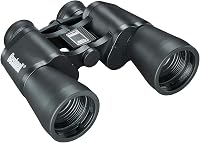
Canon 10x42L IS WP Binoculars Review: Worth It? (November 2026)
The Canon 10x42L IS WP is the strongest choice here for steady handheld astronomy views in damp conditions. Its image stabilization and waterproof design set it apart, while the Vortex alternatives are lighter and easier to carry.
On this page (10 sections)
- Canon 10x42L IS WP binoculars review: the short answer
- What makes the Canon 10x42L IS WP different?
- How does 10x42 work for astronomy?
- Is image stabilization worth it for handheld sky views?
- How does the Canon compare with the Vortex Triumph HD?
- How does the Canon compare with the Vortex Diamondback HD?
- Which 10x42 binocular is easiest to carry?
- What should you check before buying?
- Can the Canon 10x42L IS WP replace a telescope?
- Final verdict on the Canon 10x42L IS WP binoculars review
The Canon 10x42L IS WP is the best match for steady handheld astronomy views under damp skies. Its 10x magnification, 42mm objective lenses, image stabilization and waterproof design make it more specialized than the lighter Vortex alternatives.
That specialization shows most clearly when you lift the binocular and scan between targets. At 10x, even a small shake can blur a star field or make a distant bird look restless.
Image stabilization helps with that exact problem. It steadies the view in your hands, so you can hold the Canon from a chair, porch or open field without setting up a tripod first.
The waterproof and fog proof construction adds another layer of practicality. This binocular suits damp evenings, marine use and wildlife watching where mist or light rain can quickly spoil a view.
A 4.2mm exit pupil also supports low light use. In plain terms, that helps brightness reach your eyes when the sky is fading or clouds are moving through.
The main trade-off is weight. At 2.4 pounds, the Canon is better for a planned observing session than for carrying all day, while both Vortex models are easier to pack and can be used with a tripod.
That weight shapes who it suits best. It fits observers who will sit, stand in one spot or work from a vehicle for a while, rather than walk miles with binoculars around their neck.
For hikers and travellers, the lighter Vortex options will feel easier to keep ready. For steady handheld work close to home, the Canon trades pack weight for a calmer view.
The 42mm objectives keep it versatile beyond astronomy. The same size works for scanning shorelines, following wildlife and looking across open country at dusk.
In short, choose based on how you will actually observe. If steadiness matters more than lightness, the Canon has a clear purpose.
Canon 10x42L IS WP binoculars review: the short answer
The Canon 10x42L IS WP earns its 9.7 score because it combines image stabilization, waterproof construction and a 4.2mm exit pupil in one 10x42 binocular. Those features directly fit handheld astronomy, marine use and wildlife observation in low light.
We compared the listed specifications and features for this review.
Canon 10x42 L is WP Image Stabilized: Best for steady damp-sky views

- 10x magnification
- 42mm objective lenses
- Image stabilization
- Waterproof and fog proof
- 4.2mm exit pupil
A premium full-size binocular for steady handheld views, with image stabilization, waterproof construction and low-light features. Its 2.4 lb weight makes it better suited to deliberate observing than long walks.
Pros
- Image stabilization for steadier handheld views
- Waterproof and fog proof
- 4.2mm exit pupil
- 65-degree apparent angle of view
- Includes AA batteries and carrying accessories
Cons
- Heavier than the Vortex alternatives
- Uses two 1.5-volt AA alkaline batteries
- Less convenient for extended hikes
Canon gives this binocular a central focus system, a large center focusing knob and 16mm of eye relief. See how binoculars work with glasses for fit considerations.
Its 65-degree apparent angle of view is useful when you want a broad-feeling view while scanning the sky.
The package includes a padded case with strap, a neoprene strap, an eyepiece rainguard, a 1-piece push-on objectives cap and two 1.5-volt AA alkaline batteries. Those included items cover basic carrying, lens protection and initial power needs.
What makes the Canon 10x42L IS WP different?
The defining feature is built-in image stabilization. At 10x magnification, small hand movements can make stars or distant wildlife appear to shift, so stabilization addresses a different problem than optical sharpness alone.
The Canon also has waterproof and fog-proof features. That combination matters for observers who set up under damp skies, near water or during changing outdoor conditions.
Its optical system uses fully Super Spectra coatings and 2 ultra-low-dispersion lens elements on each side. Canon describes those elements as helping correct chromatic aberration, which can matter around bright targets and high-contrast edges.
The 42mm objective lenses and 4.2mm exit pupil support a bright view in low-light conditions. A 4.2mm exit pupil is a useful fit for evening and night observation, though actual viewing also depends on the target, sky and your eyes.
How does 10x42 work for astronomy?
A 10x42 binocular balances reach and brightness for general sky viewing. The 10x magnification brings distant objects closer, while the 42mm objective lenses collect more light than smaller objectives.
That combination works well for scanning star fields, following bright sky targets and viewing the Moon. It is also a common size for wildlife and outdoor use, so you don't need a separate astronomy-only instrument for every situation.
For a different 10x50 option, read our Pentax SP 10x50 review.
Higher magnification can make handheld viewing harder. The Canon's image stabilization changes that trade-off by helping steady the view without requiring a tripod for every session.
Our guide explains when image stabilization is worth it.
If you are still comparing sizes and uses, our guide to what binoculars to buy explains how magnification, objective size, eye relief and field of view work together.
The phrase “10x42” does not mean the binocular has a 42x zoom. The first number is magnification, and the second is the objective lens diameter in millimeters.
For a deeper comparison, read what does 15x70 mean on binoculars.
Is image stabilization worth it for handheld sky views?
Image stabilization is most useful when you want to hold 10x binoculars without relying on a tripod. It can make a meaningful difference for people who observe from a chair, porch or open field and want to move between targets quickly.
The Canon is the only product in this comparison with image stabilization in its listed features. The Vortex models are tripod adaptable, so they can also provide a steady view when paired with suitable support.
The choice depends on how you observe. Canon suits flexible handheld sessions, while a Vortex binocular may suit you if you already prefer a tripod, car window mount or other stable support.
Our best image stabilized binoculars guide compares more stabilized options for handheld viewing.
How does the Canon compare with the Vortex Triumph HD?
The Vortex Triumph HD is the lighter alternative. It has 10x magnification and 42mm objective lenses like the Canon, but it weighs 0.45 kg and includes an adjustable GlassPak harness for carrying.
Vortex Triumph HD 10x42 Binoculars: Best for light outdoor carry

- 10x magnification
- 42mm objective lenses
- HD optical system
- Waterproof, fog proof and shockproof
- Tripod adaptable
A lighter 10x42 option with HD optics, rubber armor, a GlassPak harness and tripod adaptability. It does not include image stabilization, so support or careful handholding matters more at 10x.
Pros
- Light 0.45 kg weight
- HD optics and fully multi-coated lenses
- Waterproof, fog proof and shockproof
- Includes GlassPak harness
- Tripod adaptable
Cons
- No image stabilization feature
- Compact design may not suit every grip
- Diopter adjustment is separate from focusing
Vortex gives the Triumph HD an HD optical system with fully multi-coated lenses. The listed features include waterproof, fog-proof and shockproof construction, along with adjustable rubber eyecups, an adjustable diopter and tripod adaptability.
The Triumph HD has 17mm of eye relief, slightly more than the Canon's 16mm. Its diopter adjustment range is ±5.0, and its focus system is manual center focus.
This model makes sense for hiking, general outdoor use and light-duty glassing where low carry weight matters. It does not list image stabilization, so you may need more careful handholding or a tripod for the steadiest 10x views.
How does the Canon compare with the Vortex Diamondback HD?
The Vortex Diamondback HD is the rugged, tripod-ready alternative. It also uses 10x magnification and 42mm objective lenses, with HD optics, rubber armor and water- and fog-proof construction.
Vortex Diamondback HD 10x42 Binoculars: Best for rugged tripod-ready viewing

- 10x magnification
- 42mm objective lenses
- HD optics
- Waterproof and fog proof
- Tripod adaptable
A rugged 10x42 binocular with HD optics, rubber armor, tripod adaptability and a GlassPak harness. It suits observers who want a traditional stabilized setup through support equipment rather than built-in image stabilization.
Pros
- HD optics with dielectric and Armortek coatings
- Waterproof and fog proof
- Tripod adaptable
- Includes GlassPak harness
- 1.3 lb weight
Cons
- No built-in image stabilization
- Shorter 15mm eye relief than the other options
- Heavier than the Triumph HD
The Diamondback HD weighs 1.3 pounds, which is much lighter than the Canon and heavier than the Triumph HD. Its 15mm eye relief is shorter than both of the other products here, so check how comfortably you can position your eyes, especially if you wear glasses.
Its optical features include fully multi-coated lenses, dielectric coating and Armortek exterior lens protection. The product also has adjustable eyecups, a center focus wheel and a right-eyepiece diopter for differences between your eyes.
The Diamondback HD includes a GlassPak harness, tethered objective lens covers, a rainguard eyepiece cover and a lens cloth. It is a good fit when you want traditional binocular viewing with the option to add tripod support.
For a focused comparison of Canon's stabilized range, see our Canon 15x50 IS binoculars review and Canon 10x32 IS binoculars review.
Which 10x42 binocular is easiest to carry?
The Vortex Triumph HD is the lightest option at 0.45 kg. That makes it the most convenient choice for hikes, travel and outdoor sessions where the binocular stays around your neck or in a harness for long periods.
The Diamondback HD weighs 1.3 pounds. It remains portable, but its rugged aluminum enclosure and included harness give it a different balance from the lighter Triumph HD.
The Canon weighs 2.4 pounds. That is a clear trade-off for built-in image stabilization, so it is best used when steady handheld viewing matters more than minimizing carried weight.
Weight also affects how you observe. A heavier binocular may be easier to use from a seated position with both hands supported, while a lighter model is simpler to keep ready during a long walk.
What should you check before buying?
Start with how you plan to steady the view. If you want to scan the sky from your hands, Canon's image stabilization is the most direct fit.
If you already use a tripod, either Vortex model may meet your needs.
Next, compare eye relief and adjustment controls. The Canon has 16mm of eye relief, the Triumph HD has 17mm and the Diamondback HD has 15mm.
Adjustable eyecups can help you find a comfortable position.
Consider weather protection for your observing location. All 3 products have waterproof or water-resistant protection stated in their product information, and each has fog-proof features listed either in the features or highlights.
Finally, consider storage and care. Keep the objective caps and eyepiece covers in place when the binocular is not in use, use the supplied case or harness as appropriate, and keep lenses free of dust before wiping them.
Canon's best stabilized binoculars guide is useful if built-in stabilization is your main buying requirement.
Can the Canon 10x42L IS WP replace a telescope?
The Canon can complement a telescope, but it does not replace one for high-magnification planetary or lunar work. Binoculars provide a wide, two-eyed view that is useful for scanning and locating targets, while a telescope is built for greater magnification and detailed observation.
The Canon's 10x magnification suits broad sky views, bright deep-sky targets and casual Moon viewing. Its image stabilization can make that experience steadier without a tripod.
Binoculars are also easier to carry and quicker to use. That makes them a practical first step for learning the sky or a useful second instrument beside a telescope.
If your priority is a broader view rather than stabilization, compare our guide to best ultra wide angle binoculars. For a simple outdoor option, see the Celestron UpClose G2 review.
Final verdict on the Canon 10x42L IS WP binoculars review
Choose the Canon 10x42L IS WP if you want steady handheld 10x42 views, waterproof construction and a bright 4.2mm exit pupil for damp low-light observing.
Its 2.4-pound weight is the main cost of that specialized design. Treat it as a binocular for deliberate sessions, not as the one to carry through a full day on the trail.
For seated or standing use, that weight is easier to manage. You can brace your elbows, rest the binocular in both hands and take your time moving from one target to the next.
Image stabilization is the reason to accept the extra bulk. It gives the Canon a different feel from a standard 10x42 when you want to observe without a tripod close by.
The waterproof and fog proof features also matter in real conditions. Damp air, sea spray and sudden cloud can ruin a session, so sealed construction helps you keep viewing when lesser models would need shelter.
Choose the Vortex Triumph HD if you value the lightest carry weight and a GlassPak harness. At 0.45 kg, it is the easiest option here to keep ready during hikes or travel.
The Triumph HD still offers 10x magnification and 42mm objective lenses. Its waterproof, fog proof and shockproof build suits rough outdoor use, but you will need careful handholding or support for the steadiest view.
Choose the Diamondback HD if you prefer HD optics, rugged protection and tripod adaptability. At 1.3 pounds, it sits between the Triumph HD and the Canon in carrying weight.
Rubber armor and a sturdy build make the Diamondback HD a sensible pick for repeated outdoor use. It also includes a GlassPak harness, which keeps the binocular secure and ready to lift.
Tripod adaptability changes how you can observe with either Vortex model. A stable mount can do the steadying work that the Canon handles internally, especially when you plan to study one area for longer.
Eye relief is worth checking before you buy. The Triumph HD offers 17mm, the Canon offers 16mm and the Diamondback HD offers 15mm, so comfort will vary with your eyes and whether you wear glasses.
For the search term Canon 10x42L IS WP binoculars review, the decision is simple: pick Canon for built-in stabilization, and pick Vortex when lower weight or support-based viewing matters more.
Frequently asked questions
Is the Canon 10x42L IS WP good for astronomy?
The Canon 10x42L IS WP suits astronomy when you want 10x magnification, a 42mm objective lens and steadier handheld viewing. Its image stabilization can help reduce hand movement while observing stars, the Moon and larger sky targets.
The 4.2mm exit pupil also supports bright views in low-light use.
Is the Canon 10x42L IS WP waterproof?
Yes. The Canon 10x42L IS WP has a waterproof feature and fog-proof construction.
That makes it a better fit for damp observing conditions than binoculars without those protections, but you should still use the eyepiece rainguard and objective cap when the binocular is stored or carried.
How heavy is the Canon 10x42L IS WP?
The Canon 10x42L IS WP weighs 2.4 pounds and measures 6.9 inches long, 5.4 inches wide and 3.4 inches high. That weight can make it tiring during long walks, but it may feel reasonable for seated astronomy sessions where steady handheld viewing matters more than low pack weight.
Should you choose Canon 10x42L IS WP or Vortex 10x42 binoculars?
Choose the Canon for built-in image stabilization and waterproof low-light viewing. Choose the Vortex Triumph HD for the lighter 0.45 kg body and included GlassPak harness, or the Diamondback HD for HD optics, rugged rubber armor and tripod adaptability.
Your preferred support method is the key difference.