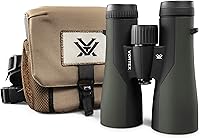
How to Use Nikon Binoculars
To use Nikon binoculars, set the eyecups, adjust the center focus, and match the diopter to your eyes. Start in daylight, then fine-tune focus on the sky or distant objects.
On this page (10 sections)
- How do you set up Nikon binoculars for the first time?
- How should you set Nikon binocular eyecups?
- How do you adjust the center focus?
- How do you adjust the Nikon diopter?
- How do you hold Nikon binoculars steady?
- How do you use Nikon binoculars for astronomy?
- How do you choose the right Nikon binocular settings?
- How do you clean and store Nikon binoculars?
- What are the most common Nikon binocular mistakes?
- How do you use Nikon binoculars correctly?
To use Nikon binoculars, set the eyecups, adjust the center focus, and match the diopter to your eyes. Begin with a distant daytime target, then use the same settings for birds, landscapes, or night-sky viewing.
Binoculars show one image through two optical tubes, but your eyes may not focus identically. The center focus wheel sharpens both sides together, while the diopter corrects the difference between your eyes.
If you're still choosing a pair, start with our guide to what binoculars to buy. Understanding magnification, objective size, field of view, and weight will make setup easier.
How do you set up Nikon binoculars for the first time?
Set the interpupillary distance before focusing. Hold the binoculars with both hands and move the two barrels closer together or farther apart until you see one round image.
If the barrels are too far apart, you'll see overlapping circles or a dark gap. If they're too close, the view may feel cramped.
The correct position lets both eyes look through the centers of the eyepieces without strain.
Remove the objective lens covers and eyepiece cover if your model has them. Keep the lenses pointed away from direct sunlight while you prepare the binoculars.
For background on the difference between these tools, see What Is the Difference Between a Telescope and Binoculars?. Binoculars are often easier for scanning wide areas, while telescopes usually provide more magnification.
How should you set Nikon binocular eyecups?
Set the eyecups based on whether you wear glasses. Extend them for unobstructed eyes, and fold or twist them down if your glasses keep your eyes farther from the eyepieces.
Eyecups help place your eyes at a useful distance and reduce stray light from the sides. If you wear glasses, lowered eyecups can help you see more of the binoculars' field of view.
Look through both eyepieces after changing the cups. If you see a smaller image or dark edges, adjust your eye position and check that the cups are set evenly.
Don't press your glasses hard against the eyepieces. Keep the binoculars steady and use the center of each lens for the clearest view.
How do you adjust the center focus?
Use the center focus wheel to sharpen a distant object. Choose a sign, tree branch, roof edge, or other high-contrast target in daylight.
First, set the diopter near its neutral mark if your Nikon model has one. Close your right eye or cover the right objective lens without touching the glass, then turn the center focus wheel until the left image is sharp.
Open both eyes and check the view. Turn the center wheel in small movements until the subject remains clear without forcing either eye to work harder.
Focus at the distance you plan to observe. A nearby daytime subject and a distant star field require different focus positions, so refocusing is normal.
How do you adjust the Nikon diopter?
Adjust the diopter with one eye at a time after setting the center focus. The diopter is usually a ring near one eyepiece, though its exact location depends on the binocular model.
Keep the left eye closed and use the center focus wheel to sharpen the right image. Then keep the right eye closed and turn the diopter ring until the left image is sharp.
Open both eyes and check the image. If one side still looks soft, repeat the process slowly, using a detailed target and making small changes.
Once the image is clear, note the diopter position. You can return to it quickly after another person uses the binoculars or after the ring moves in a bag.
The diopter is not a replacement for prescription glasses. It only compensates for the difference between your eyes within the adjustment range of the binoculars.
How do you hold Nikon binoculars steady?
Use both hands, keep your elbows close to your body, and support the binoculars near your face. This reduces shaking and makes focusing easier.
Rest your thumbs beneath the barrels and your fingers around the body. Avoid gripping the focus wheel tightly while observing, because that can make small adjustments harder.
For astronomy, sit in a chair or lean against a stable surface when possible. A wider field of view can also make hand movement less distracting.
The Celestron UpClose G2 10x50 Porro Binoculars suit readers who want 10x magnification, 50mm objectives, and a water-resistant body for handheld nature or sky viewing. The box includes a carrying case, objective covers, eyepiece covers, lens cloth, and instruction manual.
The Celestron SkyMaster 15x70 Astronomy Binoculars for Stargazing suit readers who want 15x magnification and 70mm objectives for long-distance or night-sky viewing. Their weight and size make a standard photographic tripod useful for extended sessions, and the binoculars include a tripod adapter.
How do you use Nikon binoculars for astronomy?
Start with a bright, easy target and use low-stress viewing habits. The Moon, a bright planet, a large star cluster, or the Milky Way can help you learn the controls before you search for faint objects.
Set the eyecups and focus during daylight if possible. At night, use the center focus wheel for small changes, but don't expect every star to look equally sharp across the entire field.
Hold the binoculars steady and scan slowly. Sweeping too quickly makes stars blend together and can cause you to miss large objects.
Your binoculars' magnification and objective size affect the experience. A larger objective can gather more light, while lower magnification usually makes handheld viewing easier.
Read our guide to 12x50 binoculars meaning before choosing a higher-power model.
For a beginner-friendly wide view, the Celestron Cometron 7x50mm Astronomy Binoculars offer 7x magnification, 50mm objectives, and a 6.8-degree field of view. They are tripod-adaptable, and the box includes a carrying case, eyepiece caps, instruction manual, lens cloth, neck strap, and objective lens caps.
How do you choose the right Nikon binocular settings?
Choose settings based on the target, light, and how steadily you can hold the binoculars. Use a wider view for large sky areas and a steadier setup for higher magnification.
For birds and distant daytime objects, focus carefully on a detailed feature such as an eye, feather edge, or branch. For astronomy, focus on a bright star or distant light, then scan slowly.
Higher magnification can reveal more detail, but hand movement also becomes easier to see. If your view shakes, sit down, brace your elbows, or use a tripod-compatible setup.
If you are comparing Nikon models, our guide to are Nikon binoculars good explains the main strengths and limits to consider. For astronomy-specific choices, see Best Nikon Binoculars for Astronomy.
How do you clean and store Nikon binoculars?
Remove loose dust before wiping the lenses. Use a clean lens cloth and gentle movements, and keep grit from rubbing across the glass.
Keep the binoculars capped when you are not using them. Store them in their case in a dry place, and let them dry before closing them away if they were exposed to moisture.
Do not use household glass cleaner unless Nikon's instructions specifically allow it. Strong pressure or rough fabric can damage coatings or leave fine scratches.
Inspect the eyecups, focus wheel, and diopter ring before each session. If the diopter has moved, repeat the one-eye adjustment instead of forcing the center focus to compensate.
What are the most common Nikon binocular mistakes?
The most common mistakes are skipping the diopter adjustment, holding the binoculars too far from the eyes, and focusing too quickly. Each can make a clear optical system seem blurry.
Don't adjust both the center wheel and diopter at the same time. Set the center focus first, then correct one eye with the diopter.
Don't judge a binocular only by its magnification number. Objective size, field of view, weight, and your ability to hold the body steady all affect daily use.
If budget is part of your decision, compare our guide to the best binoculars for the price and best binoculars for under 100 dollars. For a compact option, our Nikon Aculon A30 binoculars review covers a smaller Nikon model.
How do you use Nikon binoculars correctly?
Set the barrels to one image, adjust the eyecups, focus one eye with the center wheel, and use the diopter for the other eye. After that, hold the binoculars steadily and refocus whenever the viewing distance changes.
Choose a lower-power, wider-field setup when you want easy handheld scanning. Choose larger objectives or tripod support when you want steadier, brighter views for longer astronomy sessions.
Clean the lenses gently, keep the caps on, and record your diopter setting. These simple habits make Nikon binoculars faster to set up and easier to use each time.
Frequently asked questions
How do you focus Nikon binoculars?
Close your right eye, focus the left barrel with the center focus wheel, then close your left eye and use the right diopter ring to sharpen the right image. Open both eyes and make small center-wheel adjustments until the view is clear.
What does the diopter do on Nikon binoculars?
The diopter compensates for the small difference between your eyes. Set it once by focusing each side separately, then leave it in place unless another user needs to adjust the binoculars for a different prescription or visual difference.
Should you use Nikon binocular eyecups up or down?
Use eyecups extended if you do not wear glasses, because they can help block stray light. Fold or twist them down if you wear glasses so your eyes sit close enough to the eyepieces for a full field of view.
Can you use Nikon binoculars for astronomy?
Yes, Nikon binoculars can work well for astronomy when their magnification, objective size, field of view, and weight suit your observing style. Lower-power binoculars are easier to hold, while larger models may benefit from tripod support.