What Is a Good Telescope for a Child? What to Know
On this page (3 sections)
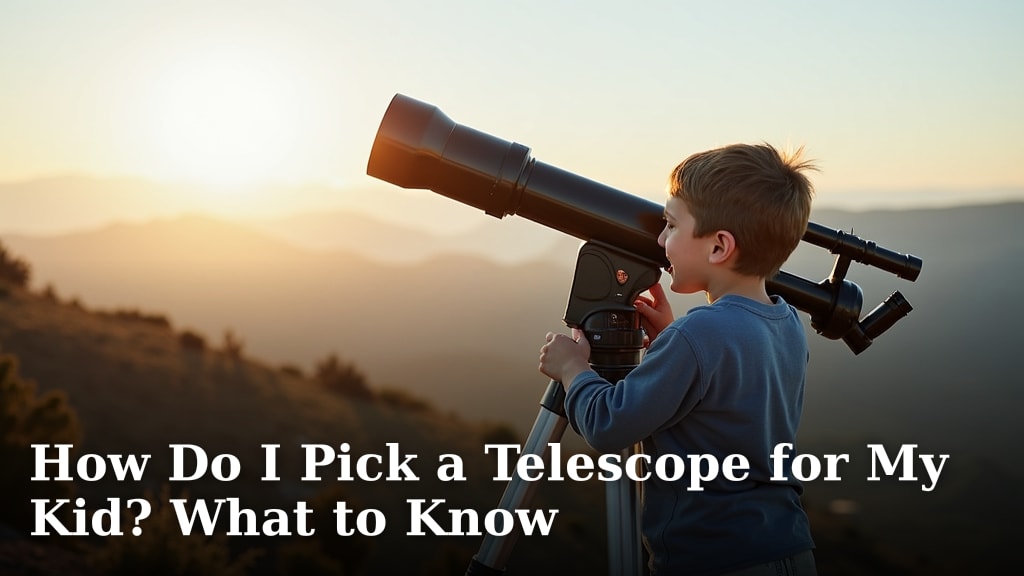
A good telescope for a child is one that is easy to use and sturdy, sparking their curiosity without frustration. Look for models with simple controls and adjustable heights. Avoid complex, professional-grade telescopes that can be overwhelming for young beginners. Focusing on simplicity and durability ensures a positive first experience with stargazing.
When choosing a telescope for a child, think about their age and what you hope they’ll see. Our guide to the right age for a telescope can help you decide when to begin. Refractor telescopes are often recommended for beginners because they are low-maintenance and provide bright, clear images of the Moon and planets. Dobsonian telescopes are also popular for their ease of use and larger aperture, which gathers more light. Remember, the goal is to make astronomy fun and accessible.
- Look for telescopes that are easy for kids to set up and operate.
- Prioritize models that are built to last and can withstand some bumps.
- Refractor or Dobsonian telescopes are often great starting points.
- Consider the child’s age when making your selection.
Let’s look at some excellent telescope options perfect for young stargazers and what to keep in mind as you shop.
Picking the Right Telescope for Your Young Stargazer
So, you’re ready to introduce your child to the wonders of the night sky. That’s fantastic! Finding a good telescope for them isn’t about getting the most powerful or the most expensive. It’s about finding a tool that will spark their curiosity and make learning fun, not frustrating. Think of it like getting them their first bike – you want something stable, easy to handle, and that builds confidence.
We’ve found that the best telescopes for kids prioritize ease of use and durability. If a telescope is too complicated or breaks easily, the magic can fade quickly. Our goal is to help you find a telescope that grows with their interest and provides clear views of the moon and bright planets right from the start.
Understanding Telescope Types: What Works Best for Kids?
When you start looking, you’ll see different kinds of telescopes. For children, two main types usually stand out: refractors and Dobsonians. Each has its own strengths that make them great for young beginners.
Refractor Telescopes: Simple and Steady
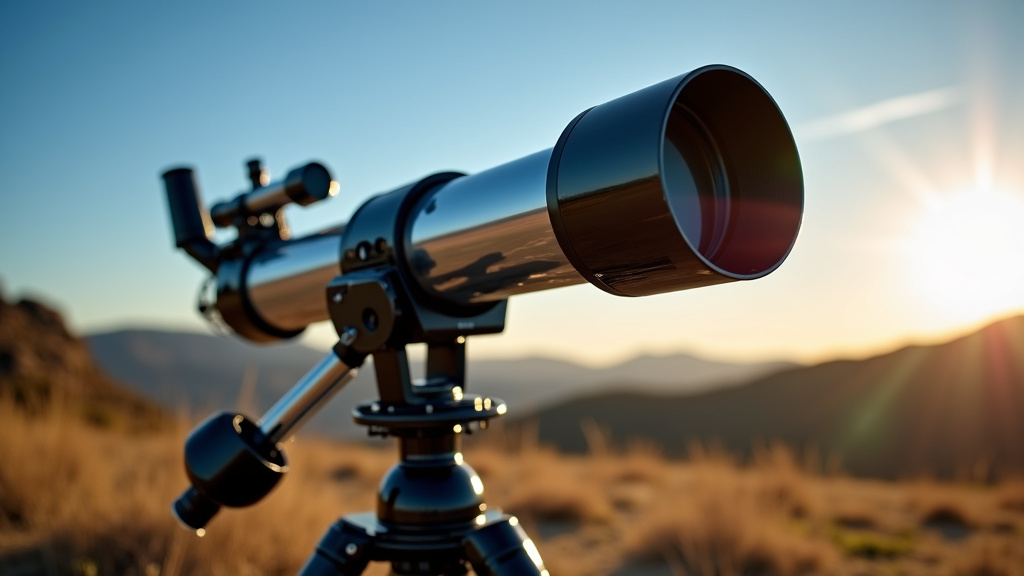
Refractor telescopes are the classic spyglass design. They use lenses to gather light and create an image. Many experts recommend them for kids because they are very low maintenance. There are no mirrors to align, and they’re generally quite sturdy. You can often get a decent refractor for a reasonable price. They are excellent for viewing the Moon’s craters and the bright planets like Jupiter and Saturn.
Dobsonian Telescopes: Big Views, Easy Handling
Dobsonian telescopes are a type of reflector telescope, but their mount is what makes them special for beginners. They sit on a simple, stable base that swivels easily. This means your child can point them around the sky without much fuss. Many found that Dobsonians offer a larger aperture (the size of the main lens or mirror) for the price. A larger aperture means more light-gathering power, leading to brighter and more detailed views of fainter objects like nebulae and star clusters. A larger aperture means more light-gathering power, leading to brighter and more detailed views of fainter objects.
Key Features to Look For in a Child’s Telescope
Beyond the type of telescope, several features can make a big difference in your child’s experience. These are the things that turn a potentially confusing gadget into a fun learning tool.
Portability and Size: Finding the Right Fit
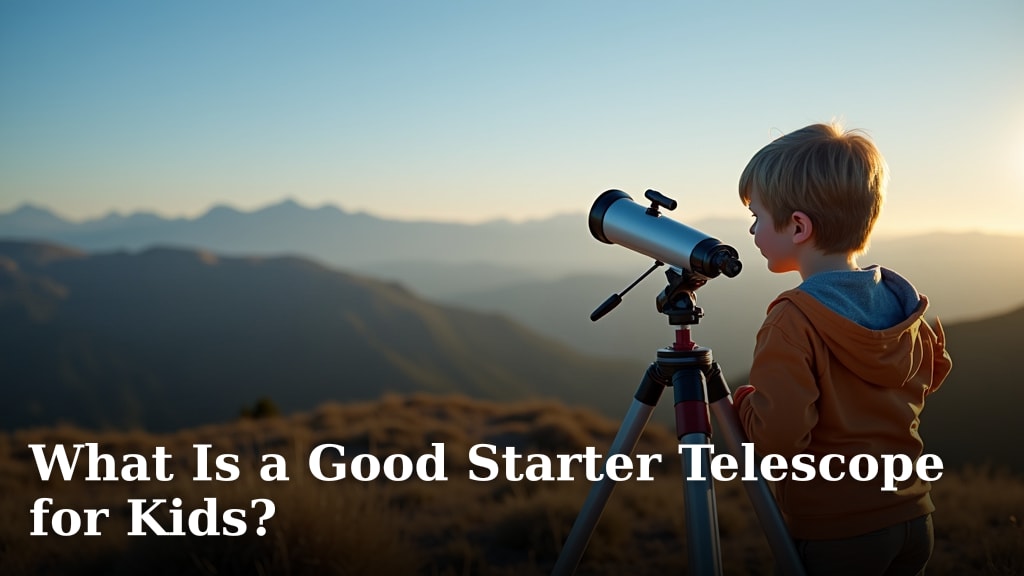
You don’t want a telescope that’s too heavy or too tall for your child to manage. If it’s difficult to set up or move, they’re less likely to use it. Look for something that’s light enough to carry but still feels solid. Adjustable tripods are a big plus, allowing you to set the telescope to the right height for your child. Some smaller refractors are almost like robust binoculars on a tripod, which can be perfect for younger kids.
Ease of Operation: No Frustration Allowed!
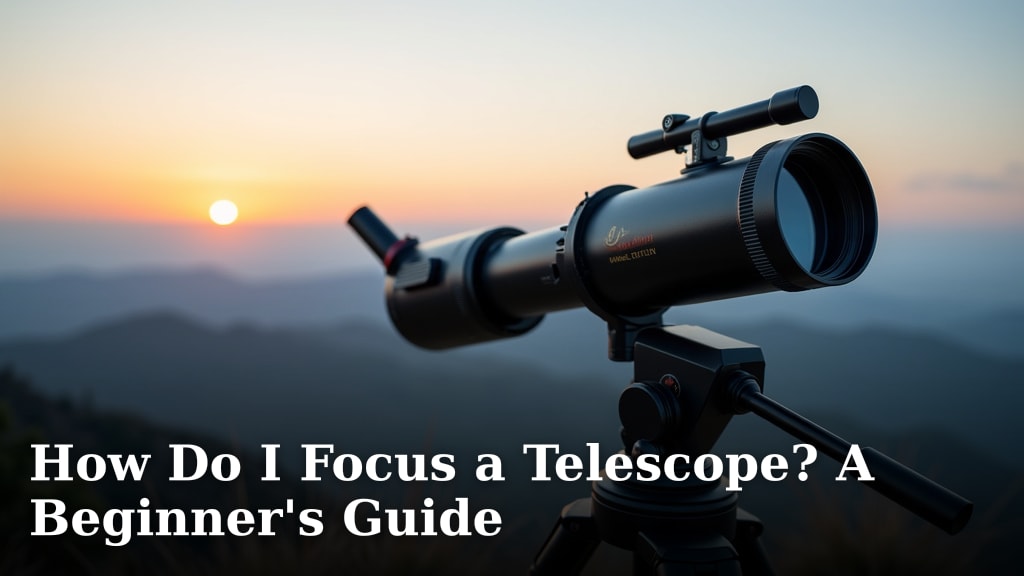
The controls should be simple and intuitive. Smooth focusing knobs are a must. If your child struggles to get a clear image, they’ll quickly lose interest. Many beginner telescopes come with “finder scopes” – small, low-power scopes attached to the main telescope. These help you locate objects in the sky much more easily. We found that telescopes with simple aiming mechanisms are always a hit.
Durability: Built to Last (and Maybe Take a Bump or Two)
Let’s be honest, kids can be a bit rough on things. A good telescope for a child should be made from sturdy materials. Plastic parts should feel robust, and the tripod should be stable. Avoid flimsy tripods that wobble easily. A telescope that can withstand a few accidental bumps will last much longer and provide a better experience. Many manufacturers specifically design entry-level telescopes with this in mind, using metal components where it counts.
What Can Your Child Expect to See?
It’s important to set realistic expectations. A beginner telescope won’t show you images like those from the Hubble Space Telescope. But it can still provide some amazing views!
The Moon: A Celestial Neighbor Up Close
The Moon is often the first and most rewarding target for new stargazers. You can easily see its craters, mountains, and plains. Many found that the Moon looks stunning even in small telescopes. It’s a great way for kids to get comfortable with focusing and aiming.
Planets: Bright Visitors in the Night
With a good beginner telescope, your child can see the brighter planets. Jupiter will appear as a disk, and you might even spot its four largest moons. Saturn’s rings are often visible, which is usually a showstopper for kids. Venus can show phases, much like our Moon. Mars can appear as a reddish dot, and sometimes its polar ice caps can be glimpsed with larger apertures or ideal conditions.
Star Clusters and Nebulae: A Glimpse of Deep Space
While fainter, some brighter star clusters and nebulae are visible. The Pleiades star cluster looks like a tiny, sparkling dipper. The Orion Nebula is a popular winter target that appears as a fuzzy patch of light, hinting at the star-forming clouds within. These objects will look like faint smudges, but they are still thrilling to see through your own telescope.
Accessories to Consider for a Better Experience
Some telescopes come with a few helpful accessories, while others might require you to buy them separately. These can enhance the learning process and make stargazing more enjoyable.
Eyepieces: Different Magnifications for Different Views
Telescopes come with one or more eyepieces, which determine the magnification. It’s usually best to start with lower magnifications (e.g., 20-30x). Higher magnifications can make the image blurry if the telescope isn’t steady or if the air is turbulent. We found that having two or three different eyepieces offers more flexibility. Your child will learn that lower power gives a wider, brighter view, while higher power zooms in but can be trickier to focus.
Filters: Enhancing Planetary Views
For planets like Jupiter and Saturn, colored filters can sometimes help reveal more detail. For example, a light blue filter might enhance the cloud bands on Jupiter. These aren’t essential for a beginner but can be a fun addition as your child’s interest grows. Many experts suggest starting without filters and adding them later.
Star Charts and Apps: Navigating the Cosmos
Having a good star chart or a stargazing app on a tablet or phone can be incredibly helpful. These tools show you what’s visible in the night sky and where to find it. Many apps can even help you identify what you’re looking at. This makes the telescope much more than just a tube; it becomes a gateway to discovery. Having a good star chart or a stargazing app on a tablet or phone can be incredibly helpful.
Setting Up for Success: Your Child’s First Night Out
Once you have the telescope, the excitement builds! Here are a few tips to make that first stargazing session a memorable one.
Practice During the Day: Get Comfortable
Before it gets dark, take the telescope outside during the day. Let your child practice setting it up and pointing it at distant objects like trees or buildings. They can get a feel for how the focus knob works and how to use the finder scope. This reduces fumbling around in the dark and builds confidence.
Choose a Clear Night and a Dark Location
Success depends heavily on the conditions. Pick a night with clear skies. Try to get away from bright city lights if possible. Light pollution can wash out fainter objects. Even moving to your backyard away from streetlights can make a difference. Many found that the Moon itself provides enough light for great views, even with some light pollution.
Start Simple: Don’t Overwhelm Them
Begin with the Moon. It’s bright, easy to find, and always impressive. Once they’re comfortable, move on to bright planets like Jupiter or Saturn. Don’t try to find obscure galaxies on the first night. The goal is to have fun and build their skills gradually. A short, successful viewing session is much better than a long, frustrating one.
Choosing a telescope for a child is about finding a balance between capability and simplicity. By focusing on ease of use, durability, and what they can realistically see, you’ll set them on a path to enjoying the wonders of the universe for years to come. Happy stargazing!
Conclusion
You’re ready to help your child discover the stars! Remember, the best telescope for them prioritizes easy operation and solid construction. Refractor or Dobsonian models offer great starting points for viewing the Moon and planets. By choosing a telescope that’s a good fit for their age and skill level, you’re not just giving them a gift; you’re giving them a window to wonder. Your next step is to look for a well-reviewed beginner telescope that matches these simple criteria. Happy stargazing!
Frequently Asked Questions
What’s the biggest mistake parents make when buying a telescope for their child?
A common mistake is buying a telescope that’s too powerful or complicated. This can overwhelm a child and lead to frustration. We found that simplicity and ease of use are far more important for beginners than high magnification.
Can my child really see planets with a beginner telescope?
Yes, they can! With a good beginner telescope, your child can see Jupiter’s moons, Saturn’s rings, and even phases of Venus. The Moon is also a fantastic and rewarding target for young stargazers.
How much should I expect to spend on a good child’s telescope?
You don’t need to break the bank. Good beginner telescopes for children often range from $100 to $300. We’ve seen many reliable models in this price range that offer excellent viewing experiences.
Is a telescope with a camera adapter a good idea for a child?
Camera adapters can be fun, but they often add complexity and cost. For a child’s first telescope, we recommend focusing on a great viewing experience first. You can always consider adapters later if their interest grows significantly.
How important is the telescope’s tripod for a child?
The tripod is very important for stability. A sturdy, adjustable tripod makes it much easier for a child to aim and keep the telescope steady. We found that a wobbly tripod can quickly turn stargazing into a frustrating experience.