Is a Refractor Good for a Beginner? What to Know
On this page (3 sections)
Yes, a refractor telescope can be a great choice for beginners. Refractors are known for their simplicity and durability, making them forgiving for those new to stargazing. You’ll enjoy clear views of the moon and planets without much fuss.
When you’re starting out, you want a telescope that’s easy to set up and use. Refractor telescopes often fit this bill perfectly. They offer a straightforward optical design that requires little maintenance. We found that this makes them a reliable companion for your first adventures under the stars.
- Refractors are good for beginners.
- They are simple and durable.
- Easy to set up and use.
- Great for viewing the moon and planets.
- Minimal maintenance required.
Let’s walk through what makes a refractor a solid choice for your new hobby and what to look for.
Why Refractor Telescopes Shine for New Stargazers
So, you’re curious about diving into the night sky? That’s wonderful! Many people wonder if a refractor telescope is the right starting point. We’ve researched this quite a bit, and the answer is a resounding yes. Refractors offer a simple, user-friendly experience that’s perfect for beginners. They are often compared to a good pair of binoculars for the sky, and there’s a lot of truth to that. To help you navigate the night sky, learning to use a star chart is a great next step.
What Exactly is a Refractor Telescope?
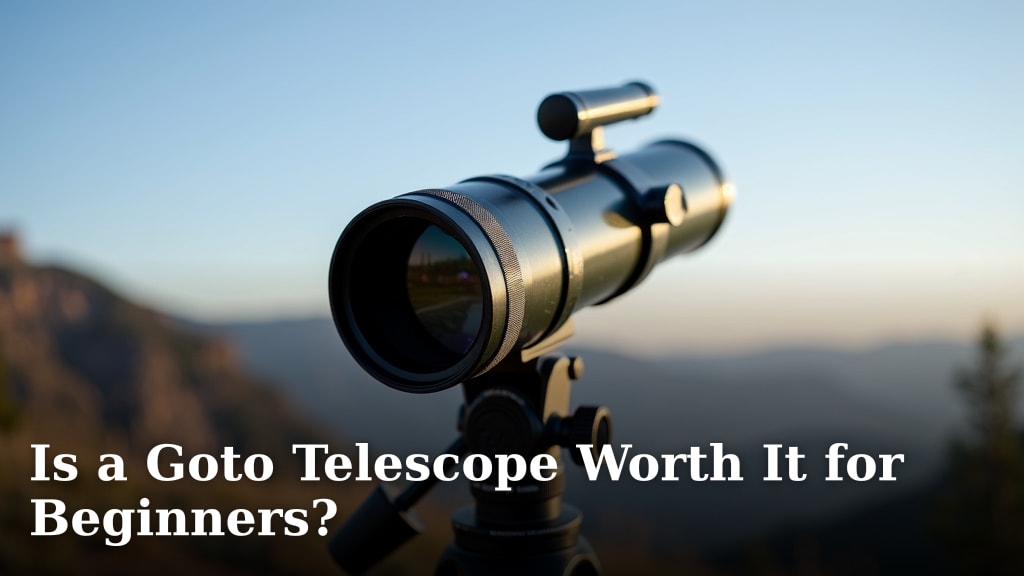
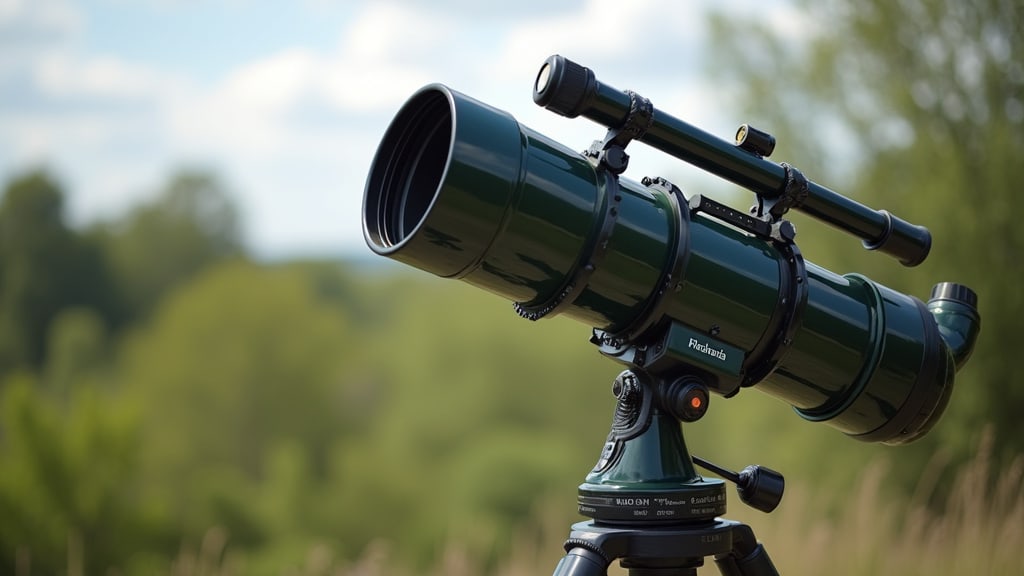
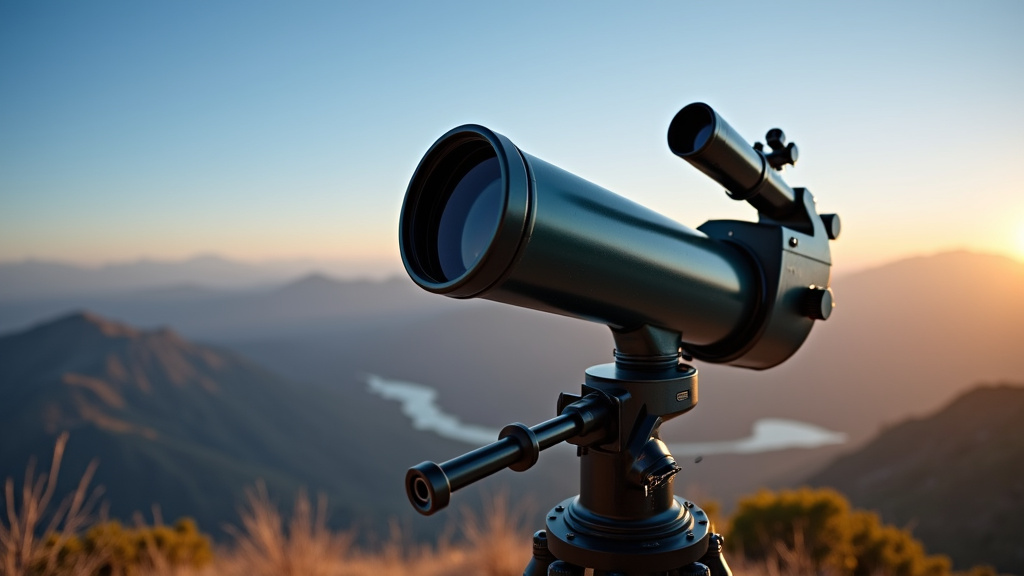
Think of a refractor telescope like a powerful spyglass. It uses a series of lenses to gather light and magnify distant objects. There are no mirrors involved, just glass. This lens-based design means they are generally quite sturdy and sealed. This keeps dust and moisture out, which is a big plus for maintenance.
The Advantages of Choosing a Refractor
When you’re just starting, you want things to be as straightforward as possible. Refractors truly excel here. They require very little setup and practically no alignment. You can often just take it out of the box, attach it to a mount, and start observing. We found this makes them incredibly accessible for all ages.
Their sealed tube design also means less maintenance. You won’t have to worry about adjusting mirrors, a process called collimation, which can be tricky for newcomers. This means more time spent gazing and less time tinkering. Many beginners appreciate this lack of fuss. It really helps you focus on the wonder of space.
Durability You Can Count On
Refractors are built to last. Since they have a fixed optical path with lenses, they are less prone to damage from minor bumps or vibrations. This makes them ideal for families or anyone who might be a little less gentle with their equipment. We’ve heard from many users who appreciate their robust construction.
Sharp, Clear Views
For bright objects like the Moon and planets, refractors often provide wonderfully sharp and contrasty images. Because there are no mirrors to potentially cause obstructions or diffraction, the light path is very clean. This means you can often see finer details on planets like Jupiter’s moons or the rings of Saturn. Many amateur astronomers started with a small refractor and were amazed by the clarity.
What Can You See with a Beginner Refractor?
You might be surprised by what even a modest refractor can reveal. The Moon is a fantastic target. You can see craters, mountains, and vast plains in stunning detail. It’s like getting a front-row seat to our nearest celestial neighbor. This is often the first ‘wow’ moment for new stargazers.
Planets are also excellent subjects. You can observe the phases of Venus, Jupiter and its four largest moons (the Galilean moons), Saturn’s iconic rings, and the polar ice caps on Mars during its close approaches. Observing these celestial bodies can make astronomy feel very real and personal. It’s a tangible connection to the cosmos.
Beyond Planets: Brighter Deep-Sky Objects
While refractors are best known for planetary views, they can also show you brighter deep-sky objects. You can observe large star clusters like the Pleiades (M45) and the Beehive Cluster (M44). You might also catch glimpses of bright nebulae, such as the Orion Nebula (M42) under dark skies. These views, while not as detailed as through larger telescopes, are still incredibly rewarding.
Key Features to Look for in a Beginner Refractor
When you’re shopping, a few things will help you make the best choice. The first is the aperture. This is the diameter of the main lens. For beginners, an aperture between 70mm and 90mm is usually a sweet spot. It offers good light-gathering ability without being too bulky or expensive. More aperture means you can see fainter objects and finer details.
Next, consider the focal length. This is the distance from the lens to the point where light is focused. A longer focal length generally means higher magnification and narrower fields of view, which can be good for planets. A shorter focal length offers wider fields of view, excellent for scanning large areas of the sky like the Milky Way or star clusters. Many beginner refractors have a medium focal length, offering a good balance.
Mount Matters: Stability is Key
Even the best telescope optics won’t perform well on a wobbly mount. For a refractor, a sturdy equatorial mount or a good quality alt-azimuth mount is recommended. Equatorial mounts are great for tracking celestial objects as they move across the sky. Alt-azimuth mounts are simpler to use and understand, often found on simpler “go-to” systems. Research indicates that a stable mount significantly improves the viewing experience.
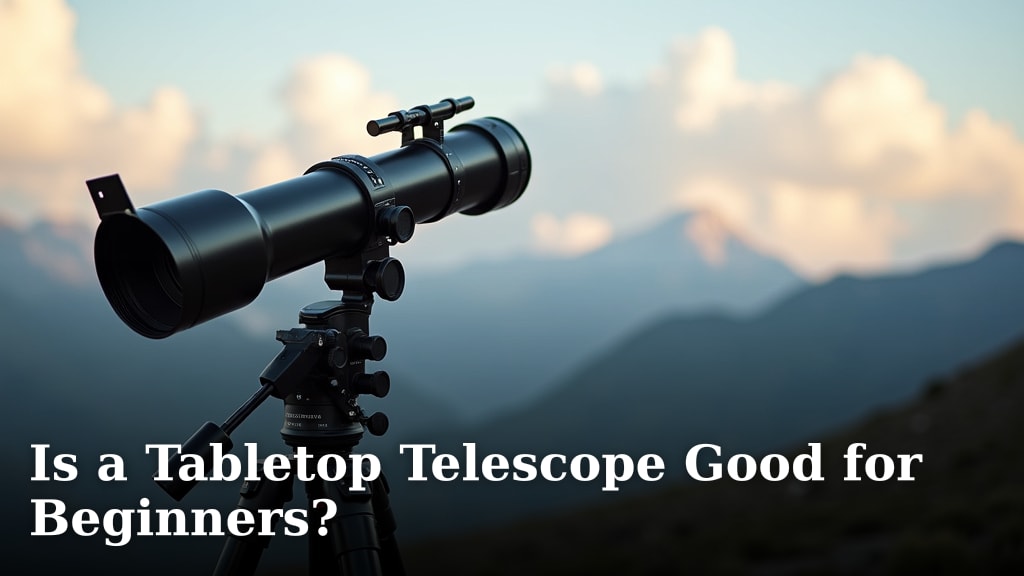
We’ve found that many beginner telescopes come with tripod mounts. Look for one that feels solid. You want it to be easy to move but not so light that it shakes with every touch. A tripod with extendable legs and a sturdy head will make a big difference. It’s worth investing a little extra here if possible.
Eyepieces and Accessories
Your refractor will likely come with one or two eyepieces. These determine the magnification. Generally, you’ll want a lower-power eyepiece for finding objects and a higher-power one for detailed viewing. Avoid telescopes that advertise extremely high magnifications; these are often just marketing and rarely provide usable views. Good quality eyepieces are essential for achieving clear images.
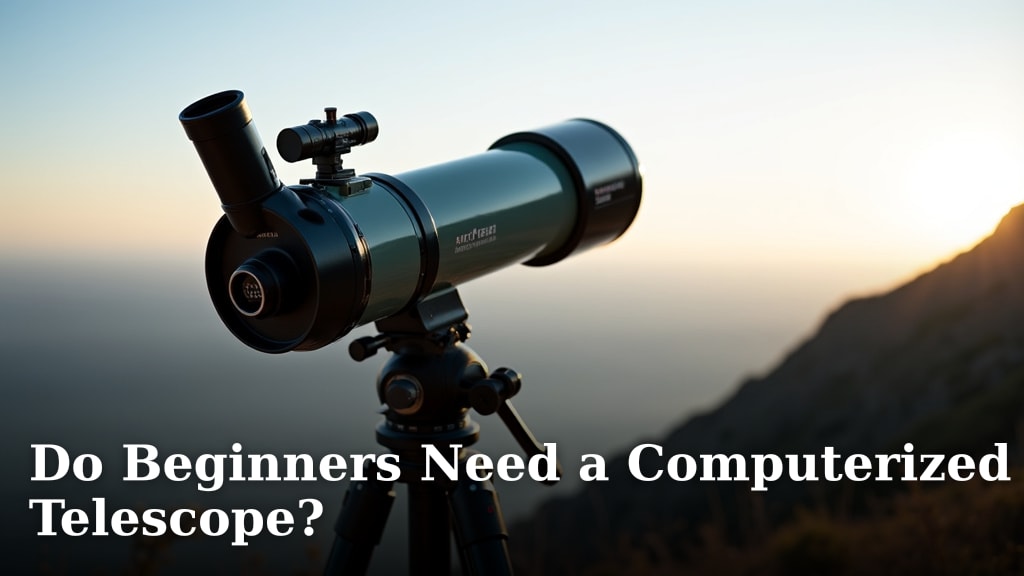
Other accessories to consider are a star diagonal, which makes viewing more comfortable, and a finderscope or red-dot finder to help you aim your telescope. These small additions can make a world of difference in how easily you can locate celestial targets. A good finderscope can turn frustration into quick and easy pointing.
Here’s a quick checklist to keep in mind:
- Consider refractors for their simplicity and durability.
- Aim for an aperture between 70mm and 90mm.
- Look for a sturdy, stable mount.
- Check the quality of included eyepieces.
- Ensure it has a good finderscope for easy aiming.
- Read reviews to confirm ease of use for beginners.
Conclusion
As you can see, a refractor telescope is a fantastic starting point for your stargazing journey. You’ll find them incredibly easy to set up and maintain, letting you focus on the stunning views of the Moon and planets. Their durability and clear optics mean you’ll get a reliable and rewarding experience right from the start. Don’t let complex options intimidate you; a good refractor offers simplicity without sacrificing the wonder. Your next step is to look for a model with a decent aperture and a stable mount to ensure you have the best possible views. Happy stargazing!
Frequently Asked Questions
Are refractor telescopes good for viewing galaxies?
Refractors can show brighter galaxies like Andromeda under very dark skies. However, their smaller aperture limits the fainter details compared to larger telescopes. You’ll likely see them as fuzzy patches rather than detailed structures. They truly shine with the Moon and planets.
What’s the difference between a refractor and a reflector telescope for beginners?
A refractor uses lenses to form an image, offering a simple, sealed tube with low maintenance. A reflector uses mirrors. Reflectors often offer more aperture for the price but may require occasional mirror alignment (collimation), which can be tricky for newcomers.
How much magnification can I expect from a beginner refractor?
Beginner refractors typically offer useful magnifications from around 30x up to about 150x. It’s important to remember that higher magnification isn’t always better. Too much can make the image blurry, especially if the telescope’s aperture is small or the atmospheric conditions are poor.
Do I need a special mount for a refractor telescope?
A sturdy mount is essential for any telescope, including refractors. While simpler alt-azimuth mounts are easy to use, an equatorial mount can be more helpful for tracking planets as they move across the sky. A stable tripod is more important than the mount type for beginners.
Can I use my refractor telescope during the daytime?
You can use refractors for daytime viewing, but it requires specific accessories like a solar filter to view the Sun safely. Never point any telescope at the Sun without proper, certified filters, as it can cause immediate and permanent eye damage.