Is a Dobsonian Telescope Good for Beginners?
On this page (3 sections)
Yes, a Dobsonian telescope is often a great choice for beginners. These telescopes offer a lot of viewing power for their price. You can see amazing things in the night sky without breaking the bank. They are known for being user-friendly.
When starting out in stargazing, you want equipment that’s easy to set up and use. Dobsonian telescopes fit this need well. They provide a wide field of view, which helps you find objects more easily. If you are choosing between a telescope and binoculars, our telescope and binocular comparison can help clarify which suits your viewing. Many astronomers recommend them for their simplicity and effectiveness.
- Dobsonian telescopes are beginner-friendly.
- They offer excellent value and viewing power.
- They are easy to set up and use.
- They provide a wide field of view for easier object finding.
Ready to see what makes them so popular? Let’s dive into why a Dobsonian might be the perfect first telescope for you.
You’re just starting your stargazing journey, and that’s fantastic! One question that pops up often is about Dobsonian telescopes. Are they a good fit for someone new to looking at the night sky? Let’s get straight to it.
Is a Dobsonian Telescope a Smart First Choice for New Astronomers?
Yes, a Dobsonian telescope is generally a great choice for beginners. They pack a lot of viewing power for their cost. You can see amazing celestial sights without spending a fortune. Many people find them to be very user-friendly right out of the box.
What Exactly is a Dobsonian Telescope?
Think of a Dobsonian as a Newtonian reflector telescope on a simple alt-azimuth mount. A Newtonian reflector uses mirrors to gather light and create an image. The alt-azimuth mount is a base that lets you move the telescope up/down (altitude) and left/right (azimuth). This makes it easy to point and track objects.
The “Dobsonian” part comes from John Dobson, who designed this type of simple, sturdy mount. His goal was to make telescopes more accessible and affordable for everyone. This design philosophy is why they are so popular today, especially for newcomers.
Why Dobsonians Shine for Beginners
Several key features make these telescopes stand out for those just starting. They combine performance with ease of use, which is a winning combination for any hobbyist.
Ease of Use and Setup
One of the biggest hurdles for new astronomers is complicated equipment. You don’t want to spend your first night fiddling with knobs and settings. A Dobsonian mount is typically a simple rocker box. You just place the optical tube on it. No complex assembly is usually required. You can be ready to observe in minutes, not hours. This makes the learning curve much gentler.
Excellent Light-Gathering Ability for the Price
When you’re looking at faint objects like galaxies or nebulae, you need a telescope that can gather a lot of light. Larger aperture (the diameter of the main mirror or lens) means more light. Dobsonians are famous for offering large apertures at lower prices compared to other telescope types. This means you’ll see fainter and more detailed objects.
For example, a 6-inch or 8-inch Dobsonian can show you the Cassini Division in Saturn’s rings, details in Jupiter’s cloud bands, and many deep-sky objects. Many experts suggest that a minimum aperture of 4-6 inches is ideal for a first telescope. Dobsonians readily meet and exceed this.
Wide Field of View
These telescopes often come with eyepieces that provide a wide field of view. This is like having a big window to look through. A wider view makes it easier to find your target in the sky. It also helps you get a sense of the object’s surroundings. As you move the telescope, the object stays in view longer, allowing you to appreciate it more.
Portability and Stability
While they have large apertures, Dobsonians are designed to be relatively portable. The optical tube and the base usually separate easily. This makes them easier to transport to a darker viewing location. Despite their simplicity, the solid wood or robust plastic mounts are often remarkably stable. This stability is crucial for clear views and prevents frustrating wobbles when you try to focus.
Comparing Dobsonians to Other Beginner Telescopes
It helps to see how Dobsonians stack up against other popular choices for new astronomers.
| Telescope Type | Pros for Beginners | Cons for Beginners |
|---|---|---|
| Refractor (Achromatic) | Simple to use, good for planets and the Moon. | Limited aperture for the price, can be long and unwieldy. |
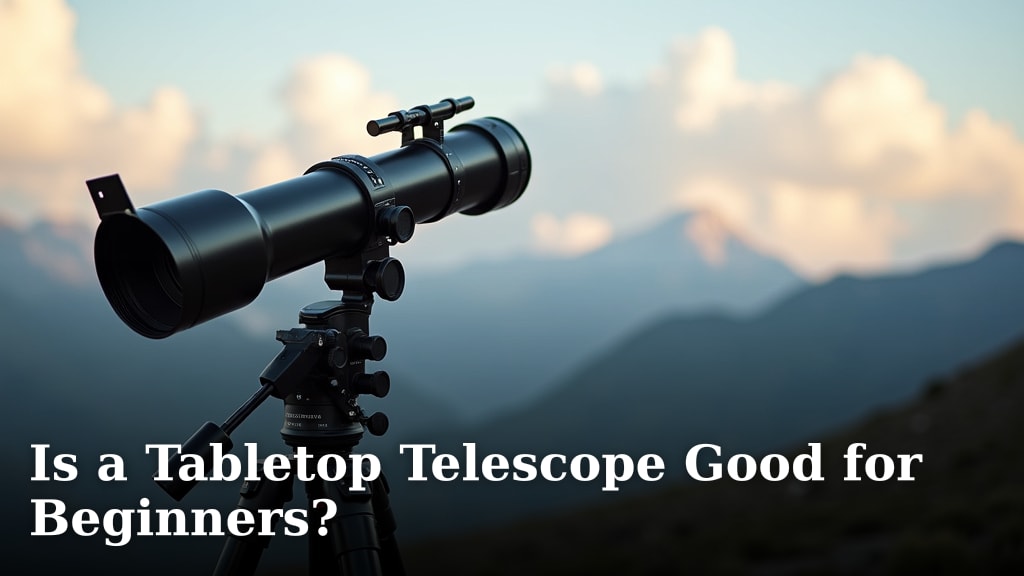
| Reflector (Tabletop Newtonian on EQ Mount) | Good aperture for price. | Equatorial mounts require alignment and can be complex for beginners. |
| Dobsonian Reflector | Excellent aperture for price, very simple mount, easy to use. | Can be bulky depending on size, primarily a visual telescope. |
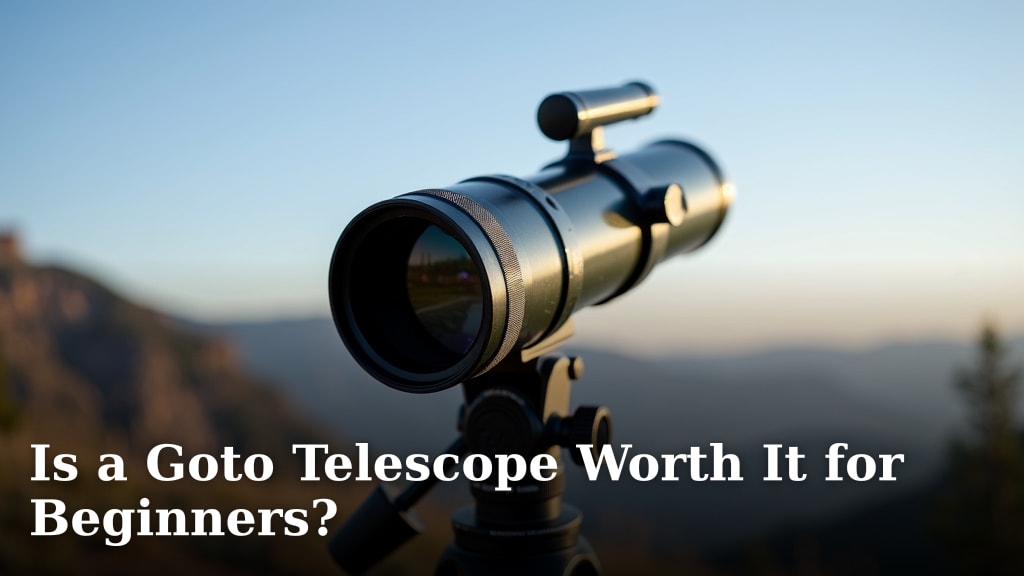
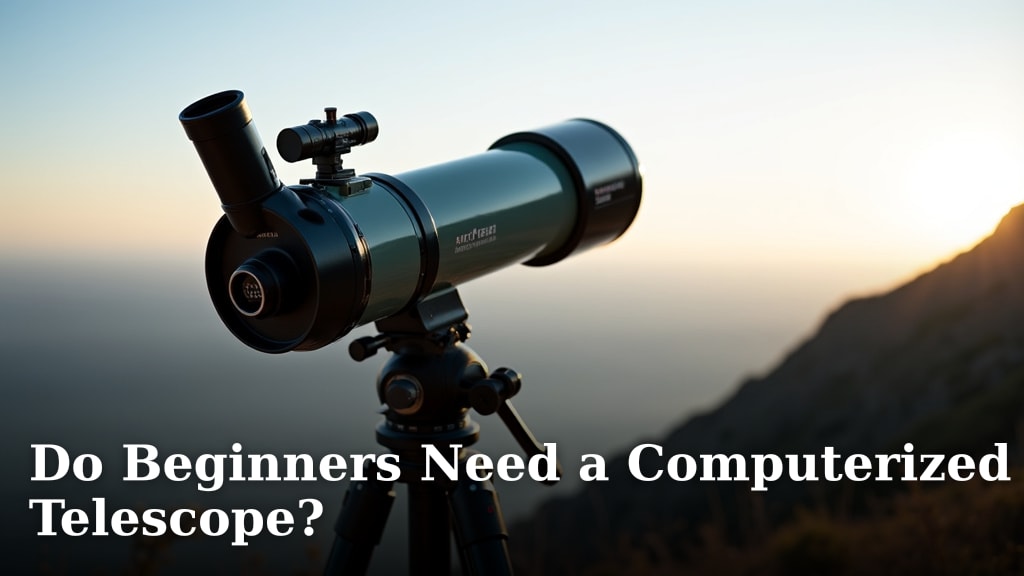
| Computerized Go-To (Various Types) | Automatically finds objects. | More expensive, can have setup issues, requires power. |
As you can see, the Dobsonian often hits a sweet spot. It offers the light-gathering power of a reflector with a mount that’s much simpler than a computerized telescope mount. You get to do the fun part: finding objects yourself!
What Can You See With a Dobsonian?
This is where the excitement really builds! With a decent-sized Dobsonian (say, 6 inches or larger), your night sky adventures expand dramatically.
- The Moon: You’ll see craters, mountains, and rilles in stunning detail. It’s like being on a lunar excursion!
- Planets: Jupiter’s cloud bands and its four largest moons, Saturn’s rings (and sometimes the gap within them), Mars’ polar ice caps (when it’s close), and Venus’ phases are all visible.
- Nebulae: Many bright nebulae, like the Orion Nebula, appear as faint, fuzzy clouds, showing structure.
- Galaxies: You can see brighter galaxies, such as the Andromeda Galaxy, as faint smudges. With a dark sky, you might even see other galaxies in a group like the Virgo Cluster.
- Star Clusters: Globular clusters become sparkling balls of stars, and open clusters are a delight.
Research from astronomy communities often highlights the satisfaction derived from observing these objects with a Dobsonian. It provides a direct, unadulterated view of the cosmos.
Considerations Before You Buy
While Dobsonians are fantastic, there are a few things to keep in mind to ensure it’s the right fit for you.
Size and Weight
While generally portable, an 8-inch or 10-inch Dobsonian can still be a bit bulky. If you live in an apartment with many stairs or have very limited storage space, a smaller 4.5-inch or 6-inch might be more practical. Always check the dimensions and weight to make sure it fits your lifestyle. Many users find that the reward outweighs the slight inconvenience of moving a larger scope.
Collimation (Mirror Alignment)
Newtonian reflectors, including Dobsonians, have mirrors that may need occasional alignment, a process called collimation. Don’t let this scare you! For most beginners, it’s not a frequent task. Many Dobsonians come with simple tools and instructions, and it’s a skill that’s easy to learn. Keeping the mirrors aligned ensures you get the sharpest possible images. We found that basic collimation can be learned in under 15 minutes.
Visual Observing Only
Dobsonians are primarily designed for visual astronomy. They are not typically equipped for astrophotography without significant modifications and accessories. If your main goal is taking stunning photos of the night sky, you might need to consider other types of telescopes. However, for the pure joy of looking and discovering, Dobsonians are superb.
Your First Steps to a Dobsonian
Ready to take the leap? Here’s a quick checklist to help you get started with a Dobsonian telescope.
- Research common Dobsonian sizes: 4.5″, 6″, 8″, 10″ are popular.
- Consider your viewing location: Do you need portability?
- Read reviews: See what other beginners say about specific models.
- Factor in accessories: A good red-light flashlight and a comfortable chair can enhance your experience.
- Learn the basics of alignment: Familiarize yourself with collimation.
- Be patient and have fun!
Many astronomy clubs and forums have experienced users who can offer personalized advice. Don’t hesitate to ask questions!
Conclusion
You’ve learned that a Dobsonian telescope is a smart and practical choice for new stargazers. They offer impressive viewing power for their cost, making the night sky accessible. You can easily set them up and start observing celestial wonders quickly. With a Dobsonian, you get a user-friendly experience that lets you focus on the joy of discovery. Ready to start your cosmic adventure? Your next step is to research specific Dobsonian models that fit your budget and space, and prepare for your first look at the stars.
Frequently Asked Questions
Are Dobsonian telescopes difficult to move around?
While larger Dobsonian telescopes can be bulky, they are designed to separate into two main parts: the optical tube and the base. This makes them manageable for transport to darker viewing sites. We found that even 8-inch models are considered portable enough by many beginners for backyard astronomy.
How often do I need to collimate my Dobsonian?
Collimation, or aligning the mirrors, is usually only needed occasionally, perhaps once every few months or if you notice a slight drop in image sharpness. Many users find they can learn this simple process quickly and easily with just a few basic tools.
Can I use a Dobsonian telescope for astrophotography?
Dobsonian telescopes are primarily designed for visual observing, not taking pictures. While modifications are possible, they aren’t ideal for beginners interested in astrophotography. If photography is your main goal, you might want to consider a different type of telescope.
What’s the difference between a Dobsonian and a regular reflector telescope?
A Dobsonian is a type of reflector telescope that uses a specific type of simple, sturdy alt-azimuth mount (the rocker box base). This mount makes it very easy to point and move the telescope compared to more complex equatorial mounts often found on other reflector telescopes.
Do I need special knowledge to find objects with a Dobsonian?
No, you don’t need extensive prior knowledge. The wide field of view on most Dobsonians helps you locate objects more easily. You’ll learn to navigate the sky over time, and many beginners find the process of finding targets themselves to be very rewarding.