How Do I Know What Telescope to Choose? What to Know
On this page (6 sections)
Choosing the right telescope depends on what you want to see and where you’ll use it. For beginners wanting to see planets and the Moon, a refracting telescope is often a great starting point. If you’re aiming for fainter deep-sky objects like nebulae and galaxies from a dark location, a reflector telescope might be better. Knowing your goals helps you pick the best option.
Think about portability too. A smaller, lighter telescope is easier to carry outside. Also consider your budget. Telescopes range from simple beginner models to advanced, professional instruments. We found that understanding the basic types of telescopes makes the selection process much simpler. It’s not about having the biggest, but the best fit for your stargazing adventures.
TL;DR:
- Know what you want to see (planets vs. galaxies).
- Consider portability and where you’ll observe.
- Refractors are good for planets; reflectors often better for deep sky.
- Set a realistic budget for your needs.
Let’s walk through exactly what to look for and how to decide on your perfect telescope.
Figuring Out Which Telescope Fits Your Skygazing Needs
You’ve decided you want to look at the stars. That’s fantastic! But with so many telescopes out there, how do you pick the one that’s right for you? It can feel a bit overwhelming, like choosing a new car without knowing anything about engines. Don’t worry, we’re here to help you sort it out. We found that understanding a few key things about what you want to see and where you’ll do your stargazing makes all the difference.
Think of it like picking a camera. Do you want to take close-up photos of tiny insects, or wide scenic shots of mountains? The equipment you choose will be very different. Your telescope is the same. The celestial objects you’re most interested in will guide your decision. We’ve seen many shoppers get excited about a fancy telescope, only to find it’s not quite right for their viewing habits. Let’s make sure that doesn’t happen to you. Your telescope is the same. The celestial objects you’re most interested in will guide your decision. Learning to use a star chart can help you find them.
What Do You Actually Want to See?
This is the biggest question you need to answer. Are you dreaming of seeing the rings of Saturn or the craters on the Moon? Or are you hoping to spot faint, distant galaxies and nebulae? Your answer shapes the type of telescope you’ll need. For a complete beginner’s guide, see how to choose a telescope. Many beginners start with planets and our Moon. They are bright and easy to find. We found that this is a great way to get comfortable with your telescope and the night sky.
If your heart is set on seeing those colorful clouds of gas and dust in space, known as nebulae, or entire collections of stars like galaxies, you’ll need a telescope that can gather a lot of light. These objects are often very dim. They require a larger lens or mirror to make them visible. We found that telescopes designed for this purpose tend to be a bit larger themselves.
Where Will You Be Stargazing From?
Your viewing location plays a huge role. Are you in a city with lots of light pollution? Or do you live somewhere with dark, clear skies away from streetlights? Light pollution can make it very hard to see faint objects. It’s like trying to read a book in a dimly lit room.
If you’re in a light-polluted area, you’ll want a telescope that excels at showing brighter objects like planets. A smaller, more portable telescope can also be a lifesaver. This is because you might need to drive to a darker location for the best views. Many experts say that the best telescope is the one you actually use. A portable one is easier to take out regularly.
Considering Portability and Storage
Telescopes come in all shapes and sizes. Some are tabletop models that are easy to carry. Others are much larger and require assembly. Think about how much space you have for storage. Will you need to set up and take down your telescope often? If so, a lighter, more compact model might be better. We found that ease of use is often just as important as optical performance for new stargazers.
Your Budget: Setting Realistic Expectations
Telescopes can range from under $100 to thousands of dollars. It’s easy to get lost in the high-end options. For most beginners, a telescope in the $200-$500 range offers excellent viewing quality. You can see a lot of amazing things without breaking the bank. Remember, the mount and accessories can also add to the cost. We found that investing in a good, stable mount is often more important than the telescope tube itself. A wobbly mount can ruin even the best view.
Understanding the Main Telescope Types
There are two primary types of telescopes you’ll encounter: refractors and reflectors. Each has its own strengths and weaknesses. Knowing these will help you decide which path to take.
Refracting Telescopes: The Classic Choice for Planets
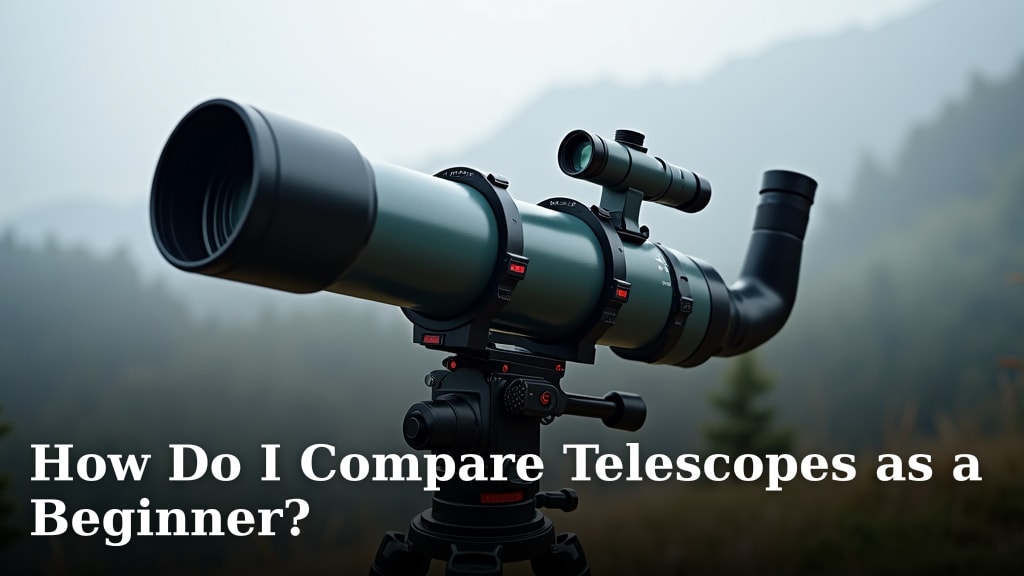
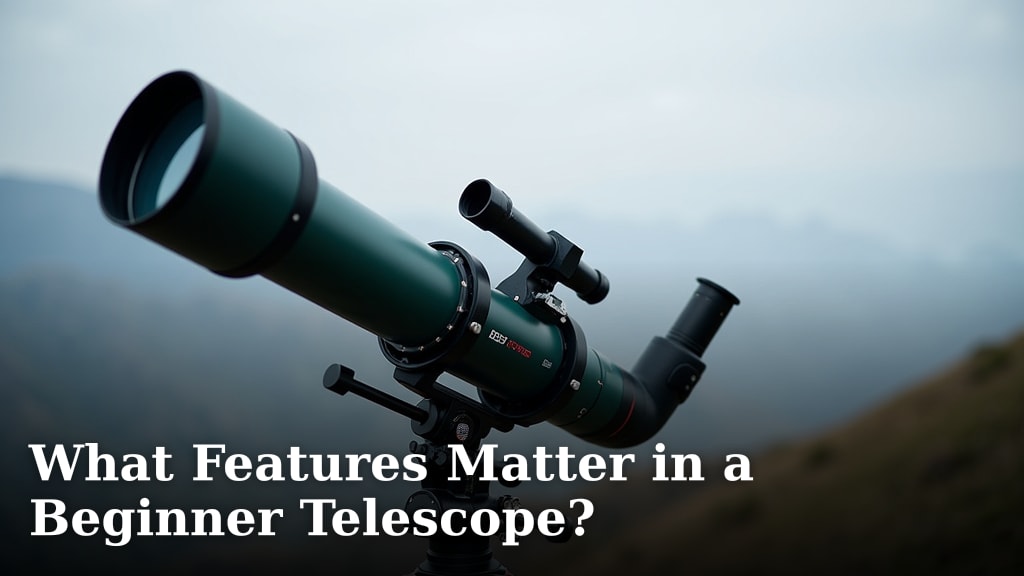
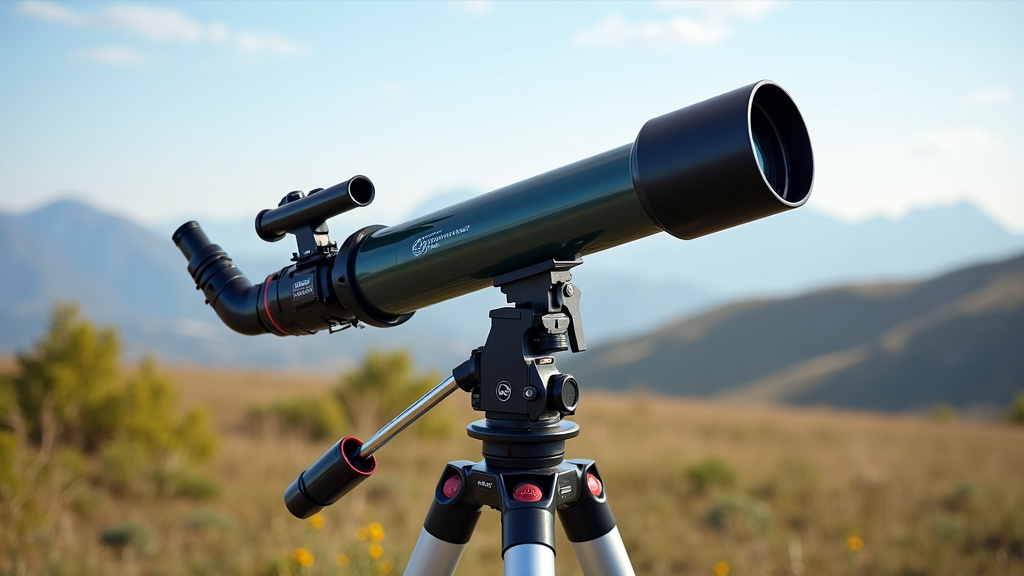
Refractors use a series of lenses to gather and focus light. Think of them like a super-powered magnifying glass. They are generally known for providing sharp, high-contrast images. This makes them excellent for viewing planets and the Moon.
- Pros: Very durable and low maintenance. The sealed tube prevents dust from getting inside. Excellent for bright objects like planets. Simple to operate.
- Cons: Can be more expensive for larger apertures (the diameter of the main lens). Can suffer from chromatic aberration (color fringing) in lower-quality models.
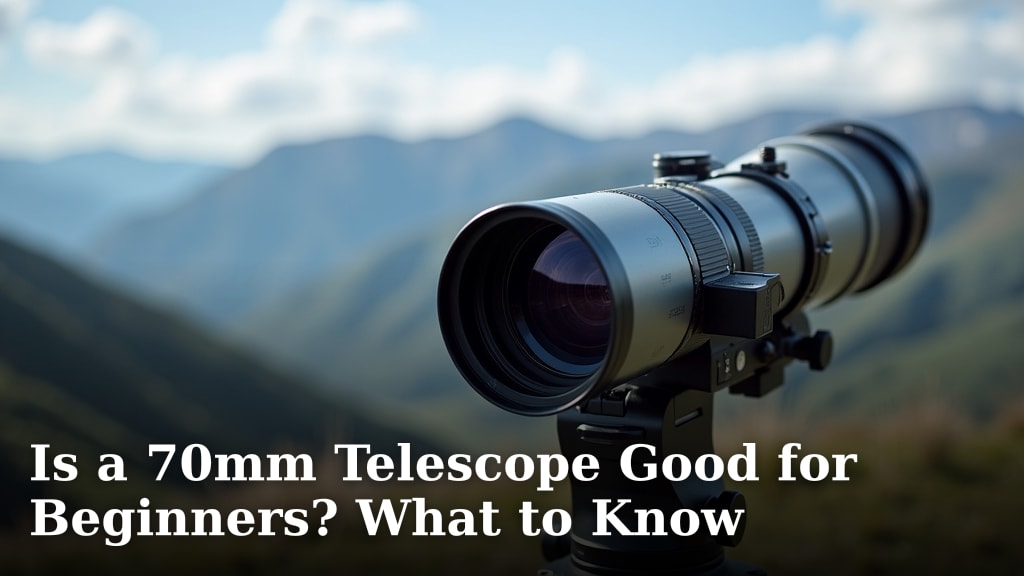
If you’re captivated by the idea of seeing Jupiter’s moons or Saturn’s rings in detail, a refractor is often a great starting point. Many experts suggest that a 70mm to 100mm refractor is an ideal size for beginners wanting to observe planets. It offers good magnification without being too unwieldy.
Reflecting Telescopes: Gathering Light for Deep-Sky Objects
Reflectors use mirrors to gather and focus light. They are typically more cost-effective for larger apertures compared to refractors. This means you can get a larger mirror for the same price, which is key for seeing fainter objects.
- Pros: Offer the most aperture for your money, making them great for faint objects like nebulae and galaxies. No chromatic aberration.
- Cons: Require more maintenance; mirrors need occasional cleaning and alignment (collimation). Open tubes can get dusty.
If your main goal is to explore the faint glow of the Andromeda Galaxy or the swirling clouds of the Orion Nebula, a reflector is likely your best bet. We found that Newtonian reflectors, a common type of reflector, are very popular for this purpose. For deep-sky viewing, a reflector with an aperture of 6 inches (about 150mm) or larger is often recommended.
Dobsonians: A Popular Reflector Design
A Dobsonian telescope is a type of reflector mounted on a simple, sturdy base. This “rocker box” design makes them easy to move and aim. They are known for providing a lot of aperture for a reasonable price. Many enthusiasts start with a Dobsonian and keep it for years. They are fantastic for getting started with deep-sky objects. We found that their simplicity is a big plus for beginners.
Key Features to Look For
Beyond the basic type, there are a few other important things to consider when choosing your telescope.
Aperture: The More, The Brighter
Aperture is the diameter of the telescope’s main lens or mirror. This is the most important specification. A larger aperture collects more light. This means you can see fainter objects and more detail on brighter ones. It’s like having a bigger bucket to catch more rain.
General Aperture Guidelines:
| Aperture | What You Can See | Best For |
| 60-70mm (Refractor) | Bright planets, Moon craters, star clusters | Basic planetary, Moon viewing; very portable |
| 90-100mm (Refractor) | Sharper planetary views, some brighter deep-sky objects | Excellent all-around for planets and brighter nebulae |
| 4.5-6 inches (Reflector) | Good views of nebulae, galaxies, more detail on planets | Good entry for deep-sky objects |
| 8 inches and up (Reflector) | Detailed views of galaxies, nebulae, Jupiter, Saturn | Serious deep-sky exploration, good planetary views |
Remember, a larger aperture usually means a larger, heavier, and more expensive telescope. It’s a balance!
Focal Length and Magnification: Understanding the Numbers
Focal length is the distance light travels through the telescope’s optics to be focused. Magnification tells you how much larger an object appears. It’s calculated by dividing the telescope’s focal length by the eyepiece’s focal length.
You’ll often see telescopes advertised with high magnification numbers, like “600x magnification!” While high magnification sounds good, it’s not always useful. Too much magnification can make the image blurry, especially if the telescope’s aperture is small or the viewing conditions aren’t ideal. Many experts recommend sticking to magnifications around 50x to 150x for most beginner telescopes. We found that stable, clear views are much more enjoyable than extremely magnified, shaky images.
Mounts: The Foundation of Your View
The mount is what the telescope sits on. It’s critical for stability. A good mount keeps the telescope steady, allowing you to get clear views and easily track objects as they move across the sky.
- Alt-Azimuth Mounts: These move up/down and left/right, like a camera tripod. They are generally simpler and more affordable. Many Dobsonian telescopes use a type of alt-azimuth mount.
- Equatorial Mounts: These are designed to track celestial objects as the Earth rotates. One axis is aligned with the Earth’s axis, making tracking smoother. They are often favored by astrophotographers but can have a steeper learning curve for beginners.
For most visual observers, a sturdy alt-azimuth mount is perfectly adequate. We found that a mount that feels solid and doesn’t wobble is far more important than its technical classification.
Your Telescope Checklist
To help you narrow down your options, here’s a quick checklist. Consider these points as you shop:
- What’s your primary target? Planets and Moon, or faint galaxies and nebulae?
- Where will you observe? Dark skies, light-polluted city, or varied locations?
- How important is portability? Do you need to carry it often?
- What’s your realistic budget? Include potential accessories.
- How much maintenance are you willing to do?
- Does the mount feel stable and easy to use?
Answering these questions will guide you toward the best telescope for your personal journey into the cosmos. Happy stargazing!
Conclusion
Choosing your first telescope doesn’t have to be complicated. By focusing on what you want to see – bright planets or faint galaxies – and considering where you’ll observe from, you’re already on the right track. Remember that portability and your budget play a big role too. We found that understanding the difference between refractors and reflectors simplifies the decision process considerably. Your next step is to take this knowledge and start browsing options that fit your specific stargazing goals. Happy viewing!
Frequently Asked Questions
Can I see planets and galaxies with the same telescope?
While some telescopes can do both, it’s often a compromise. Refractors excel at bright planets, while larger reflectors are better for faint galaxies. You might need two different telescopes or a larger aperture reflector for a good balance.
Is a telescope with higher magnification always better?
No, higher magnification isn’t always better. Too much magnification can make the image blurry and unstable, especially with smaller telescopes or poor viewing conditions. Stable, clear views at a moderate magnification are usually more rewarding.
How much should I expect to spend on a beginner telescope?
For most beginners, a telescope in the $200-$500 range offers excellent viewing capabilities. You can see many amazing celestial objects without a huge investment. Remember to factor in potential costs for accessories like extra eyepieces.
What’s the biggest difference between a refractor and a reflector?
Refracting telescopes use lenses and are great for sharp images of planets, but can be expensive for larger sizes. Reflecting telescopes use mirrors, offering more aperture for your money, which is ideal for faint deep-sky objects like galaxies and nebulae.
Does light pollution affect my telescope choice?
Yes, light pollution significantly impacts what you can see. If you’re in a city, your telescope will be better suited for brighter objects like the Moon and planets. For faint galaxies, you’ll need to travel to darker skies or get a telescope with a larger aperture.