What Is an Achromatic Telescope? A Simple Guide
On this page (6 sections)
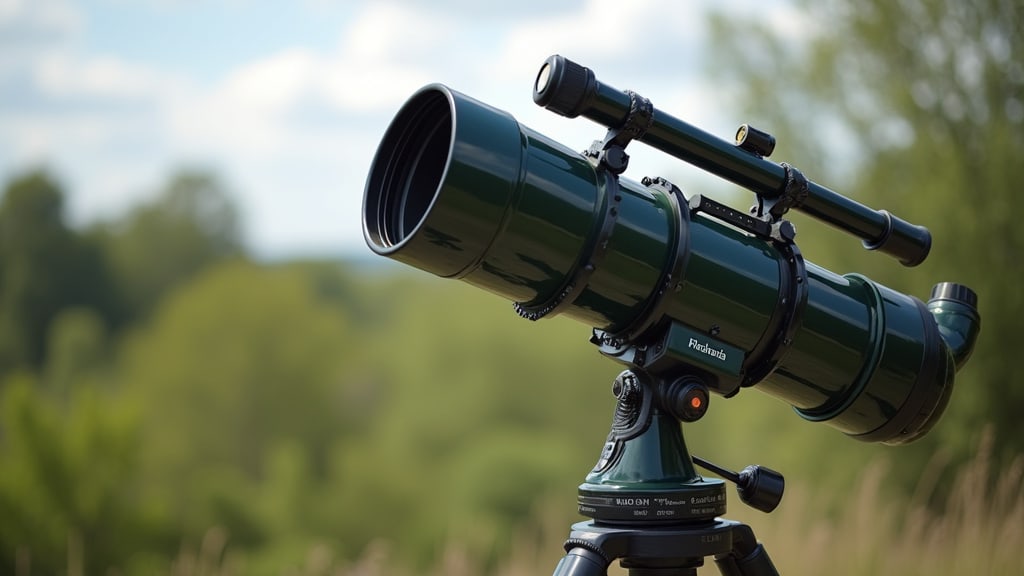
An achromatic telescope is a type of telescope designed to correct for chromatic aberration. This means it uses a combination of lenses made from different types of glass to bring all colors of light to the same focal point. This results in sharper, more accurate images with fewer color fringing issues, making it a popular choice for astronomers.
You’ve likely seen color halos around bright objects when looking through simpler telescopes. That’s chromatic aberration at work! An achromatic lens system, often called an achromat, effectively minimizes this unwanted effect. It’s a clever bit of optical engineering that makes a big difference in your viewing experience, especially when observing the Moon or planets.
- An achromatic telescope corrects for color errors.
- It uses multiple lens types for better focus.
- Images appear sharper with less color fringing.
- This type of telescope is great for planetary viewing.
Let’s break down exactly what makes an achromatic telescope work and why you might want one for your stargazing adventures. Learn how far a telescope can see and what factors influence its range.
Understanding the Science Behind Clearer Telescope Views
You’ve seen it, haven’t you? That annoying rainbow halo around stars or planets in your telescope? That’s called chromatic aberration, and it’s a common problem with simpler telescopes. Achromatic telescopes are designed to fight this visual nuisance. They use a clever trick with lenses to make your stargazing much more enjoyable.
What Exactly Is Chromatic Aberration?
Imagine light as a rainbow. When light enters a lens, it bends. Different colors of light bend at slightly different angles. This means they don’t all focus at the exact same spot. For example, blue light bends more than red light. This causes colors to spread out. It’s like trying to focus a projector where the red, green, and blue images aren’t perfectly aligned. This leads to those fuzzy, colorful edges you see around bright objects.
How Achromatic Lenses Solve the Problem
So, how does an achromatic telescope fix this? It uses a pair of lenses, called a doublet. These lenses are made from two different types of glass. One is typically crown glass, which has low dispersion. The other is flint glass, which has high dispersion. Dispersion is the measure of how much a glass splits light into its component colors.
By carefully combining these two types of glass, the achromat design bends the light. The first lens bends the light and starts to separate the colors. The second lens then bends the light back. But here’s the clever part: it bends the colors differently. This second lens brings most of the colors back into a single focal point. The distance from a telescope’s objective to its focal point is its focal length. It corrects the color separation caused by the first lens.
The Role of Crown and Flint Glass
Think of it like a team working together. Crown glass is like one team member who’s good at bending light but also separates colors a bit too much. Flint glass is another team member who can bend light back and, importantly, can “undo” some of that color separation. When you put them together in the right way, they create a much sharper image. Many optical texts mention this combination as a fundamental approach (Optical Society of America).
Achieving a Single Focal Point
The goal is to bring the red and blue light, which are usually the hardest to focus together, to the same point. This is called achromatizing. It doesn’t mean all colors focus perfectly. It means the most problematic colors are corrected. This significantly reduces the distracting color fringing you might see.
Why an Achromatic Telescope Is a Great Choice for You
For many amateur astronomers, an achromatic telescope strikes a wonderful balance. You get a substantial upgrade in image quality without the extreme cost of more complex designs. You’ll notice the difference right away when you look through one.
Sharper Images, Brighter Views
The biggest benefit is the sharper images. Because the colors are focused better, your view of the Moon’s craters, Jupiter’s bands, or Saturn’s rings will be much clearer. You’ll see more detail and definition. This makes observing planets and the Moon particularly rewarding. You can spend more time enjoying the view and less time noticing optical flaws.
Reduced Color Fringing
Remember those annoying color halos? Achromatic telescopes drastically reduce this color fringing. Bright objects like stars or the Moon’s limb will appear cleaner. You get a more natural and pleasing visual experience. This is a huge step up from basic refractors that suffer from severe chromatic aberration. Studies on optical performance highlight this improvement (Applied Optics Journal).
Durability and Low Maintenance
Refracting telescopes, including achromatic designs, are known for their durability. The lenses are sealed within the telescope tube. This means they are protected from dust, dirt, and moisture. Unlike reflecting telescopes, which have mirrors that can get misaligned or coated with dust, an achromatic telescope requires very little maintenance. Once it’s set up, you can largely leave it alone and just enjoy looking at the sky.
| Feature | Simple Refractor (Single Lens) | Achromatic Refractor (Doublet Lens) |
|---|---|---|
| Chromatic Aberration | High – severe color fringing | Low – significantly reduced color fringing |
| Image Sharpness | Moderate, often soft edges | High – sharp detail and clear images |
| Color Accuracy | Poor – noticeable color halos | Good – natural colors for celestial objects |
| Complexity | Simple | Moderate |
| Cost | Lower | Moderate |
Cost-Effectiveness for Quality Viewing
When you weigh the benefits, achromatic telescopes offer excellent value for money. You’re investing in a telescope that provides consistently good images. For anyone starting out or looking for a reliable second telescope, an achromat is a smart purchase. You don’t need a fortune to get a truly satisfying view of the cosmos.
Are There Any Downsides to an Achromatic Telescope?
While achromatic telescopes are fantastic, it’s good to know the whole picture. Like any optical design, they have a few considerations.
“Secondary Color” Still Exists
Even with the clever achromat design, there’s often a small amount of “secondary color” remaining. This is usually a faint blue or violet halo. It’s much less noticeable than the color fringing in simpler telescopes. But, on very bright objects and in perfect viewing conditions, you might still catch a hint of it. This is a trade-off for the improved image quality and lower cost.
Aperture Matters, Even with Achromats
The aperture, or the diameter of the main lens, is still the most critical factor in how much light your telescope gathers and how much detail it can show. An achromat with a small aperture will still be limited, regardless of its corrected optics. For example, a small 60mm achromat is great for the Moon and bright planets but won’t show faint deep-sky objects as well as a larger telescope. You’ll find many common sizes, like 70mm, 80mm, or 102mm, offering good performance.
Not the Absolute Best for Deep Sky Objects
While excellent for the Moon and planets, achromatic refractors are not always the top choice for observing faint deep-sky objects like nebulae and galaxies. For these types of targets, telescopes with larger apertures (often reflectors) can gather more light. Also, some specialized designs, like apochromatic refractors, offer even better color correction, which can be beneficial for astrophotography of faint objects. However, those come at a significantly higher price point.
A good rule of thumb is that if you are primarily interested in viewing planets and the Moon, an achromatic refractor is an outstanding option. If your main passion is hunting for faint galaxies, you might consider other telescope types or prioritize aperture.
Choosing Your First Achromatic Telescope
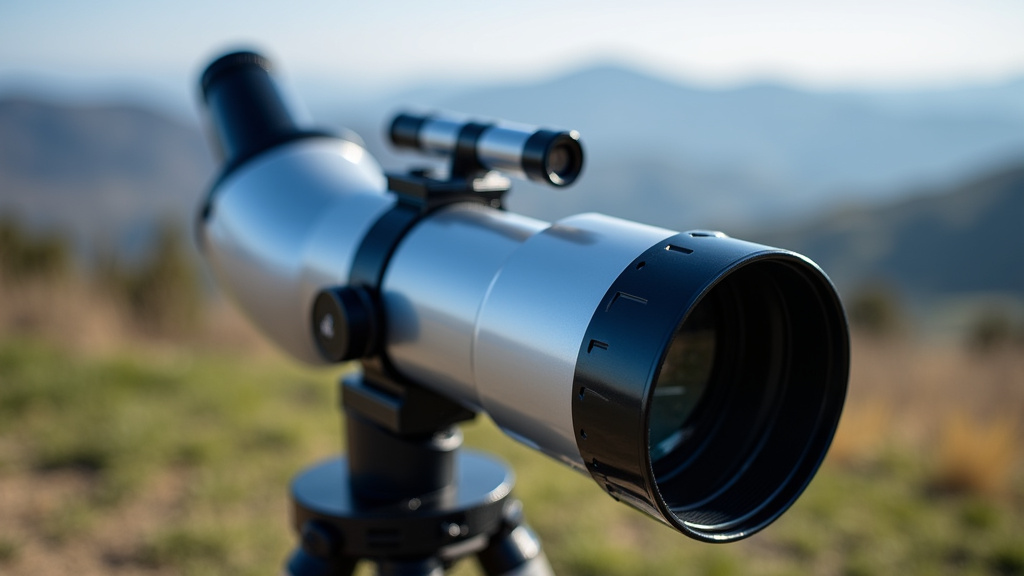
Ready to upgrade your stargazing experience? Here’s a quick checklist to help you make a decision:
- Decide your budget: Achromats range in price. Set a realistic budget.
- Consider aperture size: Think about what you want to see. Planets and Moon? 70-100mm is good.
- Check the mount: A good mount is crucial for steady views.
- Read reviews: See what other users say about specific models.
- Look for trusted brands: Stick with well-known telescope manufacturers.
- Don’t forget accessories: Eyepieces, filters, and a good finderscope make a difference.
By understanding what makes an achromatic telescope special, you can make a more informed choice. You’ll be well on your way to enjoying sharper, clearer views of the night sky.
Conclusion
You’ve learned how an achromatic telescope uses a clever combination of lenses to bring colors into focus. This design significantly reduces the distracting color halos that plague simpler telescopes. The result is sharper, more accurate images, making it ideal for viewing planets and the Moon. While not perfect, the reduced secondary color and ease of maintenance make it a fantastic choice for many stargazers. Ready to upgrade your views? Consider a 70mm or 80mm achromatic refractor as a great starting point for clearer celestial views.
Frequently Asked Questions
Are achromatic telescopes good for astrophotography?
Achromatic telescopes can be a good starting point for astrophotography, especially for brighter targets like the Moon and planets. They offer better color correction than simple refractors. However, for deep-sky astrophotography, you might eventually want to consider apochromatic refractors for even better color control and sharper images.
What is the difference between an achromatic and an apochromatic telescope?
An achromatic telescope corrects for two colors of light (usually red and blue). An apochromatic telescope, or ‘apo’, corrects for three or more colors. This means apochromats offer superior color correction and can produce even sharper, more natural-looking images, but they are typically more expensive.
How do I know if my telescope is achromatic?
Most telescope descriptions will clearly state if it’s an achromatic refractor. You can also often tell by looking at the objective lens assembly. Achromatic designs typically have a two-element lens (a doublet) made of two different types of glass, often with different colors or tints. Simple refractors usually have a single lens.
Can I use an achromatic telescope to see deep-sky objects like nebulae?
Yes, you can see many deep-sky objects with an achromatic telescope, especially those with larger apertures. However, their strength lies in planetary and lunar viewing. For faint nebulae and galaxies, a telescope with a larger aperture (like a reflector) that gathers more light will generally provide a better view.
What is the typical aperture size for an achromatic telescope?
Achromatic telescopes come in various aperture sizes, but common options for amateur astronomers are between 70mm and 102mm. Smaller apertures like 60mm or 70mm are very portable and great for the Moon and planets, while larger apertures like 102mm will gather more light and show finer detail.